| Journal of Clinical Medicine Research, ISSN 1918-3003 print, 1918-3011 online, Open Access |
| Article copyright, the authors; Journal compilation copyright, J Clin Med Res and Elmer Press Inc |
| Journal website https://jocmr.elmerjournals.com |
Original Article
Volume 18, Number 7, July 2026, pages 456-464

Pulse Index Continuous Cardiac Output-Guided Hemodynamic Therapy in Living Donor Kidney Transplantation: A Prospective Cohort Study
Van Dung Lea, Huu Tu Nguyenb, Quang Thuy Luuc, Minh Hoang Thacha, Thi Thuy Trang Trana, Van Dong Phama, Francis Zamorad, Gary TA-Wei Yud, Viet Hoang Dinhd, e
aDepartment of Anesthesiology and Intensive Care, Cho Ray Hospital, Ho Chi Minh City, Vietnam
bHanoi Medical University, Hanoi, Vietnam
cCenter of Anesthesia & Surgical Intensive Care, Viet Duc Hospital, Hanoi, Vietnam
dCenter for Health Disparities and Molecular Medicine, Loma Linda University, Loma Linda, California, USA
eCorresponding Author: Viet Hoang Dinh, Center for Health Disparities and Molecular Medicine, Loma Linda University, Loma Linda, California, USA
Manuscript submitted May 29, 2026, accepted July 29, 2026, published online July 31, 2026
Short title: PiCCO GDHT in Kidney Transplantation
doi: https://doi.org/10.14740/jocmr6632
| Abstract | ▴Top |
Background: Central venous pressure (CVP)-guided fluid therapy remains common during kidney transplantation, although CVP is a static marker with limited ability to predict fluid responsiveness. This prospective observational cohort study evaluated whether pulse index continuous cardiac output-guided goal-directed hemodynamic therapy (GDHT), using dynamic and volumetric hemodynamic variables, was associated with improved early graft function compared with conventional CVP-guided management in living donor kidney transplantation.
Methods: Eighty living donor kidney transplant recipients at Cho Ray Hospital, Vietnam, were enrolled between May 2024 and December 2025. Patients were managed according to the institutional anesthetic monitoring protocol in use at the time of surgery: CVP-guided fluid therapy (group C, n = 40) or PiCCO-guided GDHT (group P, n = 40). The PiCCO protocol incorporated stroke volume variation, pulse pressure variation, cardiac index, global end-diastolic volume index, systemic vascular resistance index, and extravascular lung water index. Outcomes included intraoperative fluid volume, vasopressor use, postoperative urine output, serum creatinine through postoperative day 7, delayed graft function, and postoperative complications.
Results: Baseline recipient, donor, and operative characteristics were comparable between groups, with the exception of cold ischemia time, which was longer in group P. Total intraoperative fluid volume was lower in group P than in group C (2,656 ± 480 mL vs. 3,097 ± 555 mL; P = 0.001), and vasopressor use was numerically lower but not statistically significant (12.5% vs. 27.5%; Fisher’s exact P = 0.161). First-hour postoperative urine output was higher in group P (1,235 ± 162 mL vs. 1,010 ± 315 mL; P < 0.001). Serum creatinine was similar on postoperative day 1 but was significantly lower in group P on day 3 (1.3 (0.8–1.8) mg/dL vs. 1.6 (1.4–1.9) mg/dL; P = 0.036); the difference on day 7 was not statistically significant (1.1 (0.7–1.4) mg/dL vs. 1.3 (1.1–2.1) mg/dL; P = 0.16). No patient in either group developed delayed graft function within 7 days. Extravascular lung water index remained within the reference range during surgery, and no patient developed clinical pulmonary edema.
Conclusions: In this prospective cohort, PiCCO-guided GDHT was associated with lower intraoperative fluid administration, numerically lower vasopressor use, and faster early recovery of graft function after living donor kidney transplantation. These findings support further evaluation of multiparameter hemodynamic monitoring as an individualized perioperative strategy in kidney transplantation.
Keywords: Kidney transplantation; Goal-directed hemodynamic therapy; PiCCO; Stroke volume variation; Delayed graft function; Transpulmonary thermodilution; Perioperative fluid management
| Introduction | ▴Top |
Chronic kidney disease (CKD) and end-stage renal disease (ESRD) constitute a mounting global health crisis, affecting more than 10% of the world’s population and exceeding 800 million individuals worldwide [1]. For patients with ESRD, kidney transplantation remains the renal replacement therapy and is associated with substantially better survival than remaining on dialysis or on a transplant waiting list [2]. Transplantation rates have risen progressively across Europe and North America [3], yet the disparity between organ supply and demand remains substantial. In low- and middle-income countries (LMICs), including those of Southeast Asia, access to transplantation is further constrained by inadequate infrastructure, limited financial resources, and inequities in donor availability [4]. In this context, optimizing perioperative management for each available graft is clinically important.
The perioperative period is a potentially modifiable determinant of early graft function. Ischemia-reperfusion injury is unavoidable during kidney transplantation and contributes to delayed graft function (DGF) [5]. DGF has been associated with increased risks of acute rejection, chronic graft loss, and mortality [6–8]. Intraoperative hemodynamic management is therefore a key target for intervention because both inadequate perfusion and excessive venous congestion may impair graft recovery.
For decades, perioperative fluid therapy in kidney transplantation has commonly been guided by central venous pressure (CVP) [9]. However, CVP is a static marker of filling pressure and is affected by ventricular compliance, valvular disease, intrathoracic pressure, venous tone, and chronic cardiovascular comorbidity. Systematic evaluations have shown that CVP has poor predictive value for fluid responsiveness, with performance close to chance [10, 11]. In mechanically ventilated patients, dynamic indices such as pulse pressure variation (PPV) and stroke volume variation (SVV) predict fluid responsiveness more accurately than CVP [12, 13]. In kidney transplantation, higher intraoperative CVP has also been associated with slow or delayed graft function, suggesting that CVP-driven volume loading may be harmful in some patients [14].
Goal-directed hemodynamic therapy (GDHT) uses dynamic hemodynamic variables to individualize fluid and vasoactive drug administration. GDHT has been associated with reduced postoperative acute kidney injury and other complications in major surgery [15–17]. In kidney transplantation, systematic reviews and individual cohort studies suggest that goal-directed approaches may improve perioperative fluid balance and early clinical outcomes, although the evidence base remains limited and heterogeneous [18–20].
The pulse index continuous cardiac output (PiCCO) system combines transpulmonary thermodilution with arterial pulse contour analysis and provides SVV, PPV, cardiac index (CI), global end-diastolic volume index (GEDVI), systemic vascular resistance index (SVRI), and extravascular lung water index (EVLWI). This multiparameter profile is particularly relevant for patients with ESRD, who may be vulnerable to both under-resuscitation and iatrogenic pulmonary congestion [21]. Despite the substantial evidence base for GDHT in perioperative medicine, data on PiCCO-guided management specifically in living donor kidney transplantation remain sparse, and evidence from Southeast Asian transplant centers is particularly limited. We therefore conducted a prospective observational cohort study comparing PiCCO-guided GDHT with conventional CVP-guided fluid therapy in living donor kidney transplant recipients, focusing on intraoperative fluid administration, hemodynamic stability, vasopressor use, and early graft function.
| Materials and Methods | ▴Top |
Study design and ethics
This prospective observational cohort study included two comparison groups and was conducted at Cho Ray Hospital, Ho Chi Minh City, Vietnam, between May 2024 and December 2025. The study protocol was approved by the Cho Ray Hospital Ethics Committee (Approval No. 1794/CN-HDDD, dated May 9, 2024) and conducted in accordance with the Declaration of Helsinki. Written informed consent was obtained from all participants prior to enrolment.
Patient population
Eligible participants were adult patients (aged ≥18 years) scheduled for elective living donor kidney transplantation, with American Society of Anesthesiologists (ASA) physical status class III or IV, who provided informed consent. Exclusion criteria included: receipt of a deceased-donor organ, pre-existing severe cardiac dysfunction (left ventricular ejection fraction < 40%), cardiac arrhythmia precluding reliable SVV/PPV interpretation, contraindication to femoral arterial catheterization (peripheral arterial disease, anatomical abnormality), pre-existing pulmonary edema, coagulation disorders, and inability to provide informed consent.
Parathyroid hormone (PTH), serum calcium, and serum phosphorus were assessed as part of routine pre-transplant evaluation, and patients found to have a parathyroid adenoma underwent parathyroidectomy before transplantation.
Group assignment
Patients were consecutively managed according to the anesthetic hemodynamic monitoring protocol applied at the time of their procedure. Group C received conventional CVP-guided fluid therapy, whereas group P received PiCCO-guided GDHT. Group assignment was not randomized and reflected institutional logistics rather than patient characteristics. The PiCCO monitor was fixed in a single recipient operating room, so allocation was determined by operating room scheduling under the institutional protocol rather than by patient factors. There was no randomization, no allocation concealment, and treating anesthesiologists could not be blinded to the monitoring strategy; outcome assessors and data analysts were blinded to group assignment.
Sample size calculation
The planned sample size was informed by prior studies comparing dynamic parameter-guided fluid management with conventional or liberal strategies in kidney transplantation [22, 23]. Assuming 80% power and a two-sided alpha level of 0.05, a minimum of 43–48 participants per group was estimated to be required. Allowing for an anticipated dropout rate of approximately 10%, 100 patients were planned for enrollment. Because of constraints related to the living donor transplant schedule and the predefined study period, 80 patients were ultimately enrolled. This limitation was considered in the interpretation of complication and DGF outcomes.
Anesthetic protocol
All patients received a standardized anesthetic protocol. Premedication was not routinely administered. General anesthesia was induced with fentanyl, propofol, and rocuronium, then was maintained with continuous fentanyl infusion and desflurane titrated to a bispectral index (BIS) of 40–60. Mechanical ventilation was delivered in volume-controlled mode with a tidal volume of 8–10 mL/kg ideal body weight, positive end-expiratory pressure (PEEP) of 5 cm H2O, fraction of inspired oxygen (FiO2) of 0.6, respiratory rate of 12–14 breaths/min, and an end-tidal CO2 target of 35–45 mm Hg. Standard monitoring comprised of five-lead electrocardiography, noninvasive blood pressure, pulse oximetry, capnography, urinary output, temperature, and BIS. A central venous catheter and radial arterial line were placed in all patients. At the time of vascular anastomosis, all patients received furosemide 20–80 mg and methylprednisolone 250 mg intravenously.
Fluid management protocol
Both groups received a baseline crystalloid infusion of Ringerfundin at 5 mL/kg/h from induction. The target mean arterial pressure (MAP) was ≥ 90 mm Hg during the pre-reperfusion phase. Intraoperative hypotension, defined as MAP < 65 mm Hg or a drop of > 20% from baseline, was treated with ephedrine 3 mg intravenous (IV) bolus. In the postoperative period, norepinephrine was titrated to maintain MAP ≥ 90 mm Hg if hypotension unrelated to hemorrhaged was identified.
In group C (CVP-guided), target CVP was 10–15 cm H2O. If CVP fell below 10 cm H2O, a crystalloid bolus of 200 mL was administered. If CVP was within the target range (10–15 cm H2O), maintenance infusion was continued at 5 mL/kg/h. Infusion was suspended if CVP exceeded 15 cm H2O.
In group P (PiCCO-guided GDHT), a 5F, 20-cm thermistor-tipped femoral arterial catheter was placed on the contralateral side to the transplant. Transpulmonary thermodilution calibration was performed by triple injection of cold saline (< 4 °C) via the central venous catheter. The PiCCO system continuously displayed SVV, PPV, CI, GEDVI, EVLWI, CFI, SVRI, and global ejection fraction (GEF). Fluid management decisions were guided by the following algorithm, with reassessment every 15 min throughout surgery:
- SVV/PPV 10–13%: continue maintenance infusion at 5 mL/kg/h.
- SVV/PPV > 13% (fluid-responsive): administer a 200 mL crystalloid bolus (maximum three sequential boluses); recalibrate thermodilution after each bolus.
- SVV/PPV < 10% (fluid-unresponsive): suspend infusion.
Additional hemodynamic targets monitored were CI > 2.5 L/min/m2, SVRI 1,700–2,400 dyn·s/cm5/m2, EVLWI < 10 mL/kg, and GEDVI within the reference range. A stepwise hypotension management algorithm (incorporating CI, GEDVI, SVV/PPV, EVLWI, GEF, CFI, SVRI, and hemoglobin concentration) guided the sequential use of fluid loading, dobutamine, noradrenaline, and blood transfusion when hemodynamic compromise occurred.
Postoperative monitoring
All patients were extubated and managed in the post-anesthesia care unit. Urine output was recorded hourly. Serum creatinine was measured preoperatively and on postoperative days 1, 3, and 7. Renal and non-renal complications were documented during hospitalization. The primary outcome was early graft function, assessed by first-hour postoperative urine output and serum creatinine trajectory through day 7. Secondary outcomes were total intraoperative fluid volume, pre- and post-reperfusion fluid distribution, intraoperative hemodynamic stability, CVP, vasopressor use, EVLWI, and postoperative complications.
Renal complications were defined a priori as medical complications of the graft, principally DGF and acute rejection. DGF was defined as the need for dialysis within the first 7 days after transplantation. Additional graft-related events (graft pyelonephritis, urinary tract infection, peri transplant fluid collection, graft hematoma, transplant renal artery stenosis, and acute cystitis) were also recorded and classified as renal or non-renal complications.
Monitoring timepoints
Hemodynamic variables were recorded at standardized timepoints: T0 (before induction), T1 (30 min post-induction), T2 (30 min pre-reperfusion), T3 (immediately post-reperfusion), and T4 (end of surgery).
Statistical analysis
Statistical analysis was performed using STATA version 15.0 (StataCorp, College Station, TX, USA). Continuous data are expressed as mean ± standard deviation (SD) for normally distributed variables and as median (interquartile range) for non-normally distributed variables. Normality was quantitatively assessed using the Shapiro-Wilks test. Between-group comparisons were performed using the independent-samples Student’s t-test for parametric assumptions, or the Wilcoxon rank-sum test for non-parametric assumptions. Categorical variables were compared using the Chi-square test to assess for associations in a contingency table or Fisher’s exact test. A two-tailed P value of < 0.05 was considered statistically significant.
| Results | ▴Top |
Patient flow and baseline characteristics
Between May 2024 and December 2025, 80 living donor kidney transplant recipients were enrolled and consecutively assigned: 40 to group C and 40 to group P. All 80 patients completed the protocol and were included in the primary analysis; there were no withdrawals, protocol violations, or post-enrolment exclusions.
Baseline recipient, donor, and operative characteristics were largely comparable between groups (Table 1). Recipient age, sex distribution, dry weight, body mass index, donor age, ASA physical status, and operative time did not differ significantly between groups. Cold ischemia time was significantly longer in group P than in group C (120.9 ± 23.4 min vs. 108.2 ± 20.2 min; P = 0.011); this imbalance is addressed in the analysis and Discussion. Diabetes mellitus was recorded as a yes/no variable, and no recipient in either group had diabetes. All patients in both groups had a pre-existing diagnosis of hypertension (100%).
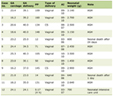 Click to view | Table 1. Baseline Patient Characteristics |
Graft function
Preoperative serum creatinine was comparable between groups (8.6 ± 2.4 vs. 8.9 ± 2.6 mg/dL; P = 0.60), confirming equivalent baseline renal disease severity (Table 2). On postoperative day 1, creatinine was similar in both groups (4.9 (3.1–6.2) vs. 4.6 (3.8–5.3) mg/dL; P = 0.47), reflecting the dominant early influence of ischemia–reperfusion injury. By postoperative day 3, serum creatinine was significantly lower in group P: 1.3 (0.8–1.8) vs. 1.6 (1.4–1.9) mg/dL, P = 0.036). On postoperative day 7, serum creatinine was numerically lower in group P, but the difference was not statistically significant (1.1 (0.7–1.4) mg/dL vs. 1.3 (1.1–2.1) mg/dL; P = 0.16).
Click to view | Table 2. Graft Function |
Per protocol, all patients in both groups received furosemide 20 mg after reperfusion; no patient required an additional dose. First-hour postoperative urine output was significantly higher in group P (1,235 ± 162 mL vs. 1,010 ± 315 mL; P < 0.001). Total day 1 urine output was comparable (9,023 ± 2,288 vs. 8,632 ± 2,477 mL; P = 0.41). No patient in either group required dialysis within the first 7 postoperative days.
Hemodynamics and vasopressor use
Intraoperative MAP was comparable between groups at all five timepoints (T0 through T4; all P > 0.05), confirming equivalent hemodynamic stability throughout the procedure (Table 3). CVP values were similarly comparable at all measured timepoints (T1 through T4; all P > 0.14).
Click to view | Table 3. Intraoperative Hemodynamics |
Vasopressor use was numerically lower in group P than in group C (five patients (12.5%) vs. 11 patients (27.5%); this difference was not statistically significant (Fisher’s exact P = 0.161).
Intraoperative fluid volumes
Total intraoperative fluid volume was significantly lower in group P than in group C (2,656 ± 480 mL vs. 3,097 ± 555 mL; P = 0.001), a mean reduction of 441 mL (Table 4). Pre-reperfusion fluid volume was also significantly lower in group P (1,871.7 ± 387.6 mL vs. 2,133.0 ± 436.5 mL; P = 0.006), as was post-reperfusion fluid volume (785.40 ± 343.73 mL vs. 964.00 ± 290.15 mL; P = 0.014). Thus, pre-reperfusion, post-reperfusion, and total intraoperative fluid volumes were all lower in the PiCCO-guided group, consistent with a more restrictive, individualized fluid strategy throughout surgery.
Click to view | Table 4. Intraoperative Fluid Volumes |
PiCCO-derived parameters
In group P, SVV declined progressively from T1 to T2, reflecting volume optimization achieved by targeted fluid boluses prior to reperfusion (Table 5). SVV rose again at T4, consistent with post-reperfusion vasodilation and hemodynamic redistribution. EVLWI remained within the safe reference range (< 10 mL/kg) at T1 through T3, with a marginal increase at T4 (9.90 ± 4.9 mL/kg). No patient developed clinical or radiological evidence of pulmonary edema.
Click to view | Table 5. PiCCO-Derived Parameters (Group P, N = 40) |
CI, GEDVI, and SVRI in group P are reported by timepoint in Table 5. CI increased progressively from T1 to T4, whereas SVRI declined after reperfusion, consistent with the expected hemodynamic changes following graft reperfusion. Group mean EVLWI values remained within the reference range (< 10 mL/kg) throughout surgery, although the proportion of patients with EVLWI > 10 mL/kg ranged from 20.0% (T2) to 27.5% (T1 and T4). Although EVLWI exceeded 10 mL/kg in a subset of patients, GEDVI and other PiCCO-derived parameters were reviewed when interpreting volume status; no patient had EVLWI > 15 mL/kg, and no patient developed clinical or radiological evidence of pulmonary edema
Postoperative complications
Renal complications occurred in two patients in group P (5.0%) and five patients in group C (12.5%; P = 0.23). Non-renal complications were identical between groups (three patients each, 7.5%; P = 1.00) (Table 6). Among renal complications, DGF and acute rejection were the principal events. These differences should be interpreted cautiously because the study was not powered to detect moderate differences in complication rates, and the findings should be considered exploratory and hypothesis-generating.
Click to view | Table 6. Postoperative Complications |
| Discussion | ▴Top |
In this prospective observational cohort study of living donor kidney transplantation, PiCCO-guided GDHT was associated with lower total intraoperative fluid administration, numerically less frequent vasopressor use, higher first-hour postoperative urine output, and lower serum creatinine on postoperative days 3 and 7 compared with CVP-guided therapy. MAP and CVP were comparable between groups throughout surgery, suggesting that the observed differences were not attributable to gross differences in intraoperative pressure targets. These findings support the physiological rationale for individualized, dynamic hemodynamic management during kidney transplantation.
The lower total fluid volume in the PiCCO group likely reflects the use of SVV and PPV to identify when additional fluid was likely to increase stroke volume. In contrast, CVP-guided algorithms may lead to additional fluid administration despite limited fluid responsiveness because CVP does not reliably distinguish preload dependence from venous congestion or vasodilatory hypotension. The PiCCO protocol allowed fluid boluses when dynamic indices suggested responsiveness and suspension of infusion when dynamic indices suggested fluid unresponsiveness. This approach may reduce unnecessary volume loading while preserving perfusion pressure. In this study, pre-reperfusion, post-reperfusion, and total intraoperative fluid volumes were all lower in the PiCCO group, suggesting that the PiCCO protocol reduced fluid exposure throughout both phases of the operation. These findings are consistent with those of Fabes et al [20], Masri et al [24], and Cavaleri et al [19], all of whom reported lower intraoperative volumes with goal-directed strategies compared with standard care, without hemodynamic compromise.
The numerically lower vasopressor use in the PiCCO group, despite the lower total fluid volume, is clinically relevant. A multiparameter protocol can help differentiate low preload, impaired cardiac output, vasodilation, and potential fluid intolerance. This distinction is important in ESRD, where excessive fluid may increase venous congestion and pulmonary edema risk. Prior data linking intraoperative hypotension with DGF [6] emphasize the importance of maintaining graft perfusion, but the present findings suggest that adequate perfusion can be achieved without liberal fluid administration when dynamic and volumetric variables are available.
A key advantage of PiCCO over single dynamic variables is the concurrent assessment of EVLWI. In this study, EVLWI remained within the reference range throughout surgery, and no patient developed pulmonary edema. This observation is important because living donor kidney transplant recipients with ESRD may have chronic volume overload, impaired sodium and water excretion, and cardiovascular comorbidity. EVLWI may provide a safety boundary that is not available with CVP, PPV, or SVV alone [21].
The creatinine trajectory suggests faster early graft functional recovery in the PiCCO group. Serum creatinine was similar on postoperative day 1, which is consistent with the early influence of ischemia-reperfusion injury. A between-group difference was observed on postoperative day 3 (P = 0.036), whereas the day 7 difference was not statistically significant (P = 0.16); the median differences were small, and these findings are therefore interpreted as associative rather than mechanistic. No patient in either group developed DGF, consistent with a living donor cohort with relatively short ischemia times and good donor organ quality. Because DGF did not occur in either group, this outcome could not discriminate between the monitoring strategies, and early graft function was instead compared using first-hour urine output and the serum creatinine trajectory. Larger studies including higher-risk recipients will be needed to determine whether PiCCO-guided GDHT reduces DGF or improves longer-term graft survival.
These results are consistent with prior studies of goal-directed fluid therapy in kidney transplantation. Earlier randomized and observational studies using PPV or other dynamic parameter-guided strategies reported improved fluid balance and favorable postoperative outcomes compared with conventional care [19, 22, 23]. The present study extends this evidence by evaluating a multiparameter PiCCO-based protocol in a Southeast Asian transplant center, where evidence on advanced hemodynamic monitoring remains limited.
Several limitations should be acknowledged. First, this was a single-center observational cohort study with non-random allocation based on institutional practice, and residual confounding cannot be excluded. In particular, group allocation was driven by operating-room logistics. For PiCCO patients, donor nephrectomy and recipient transplantation were performed in separate operating room areas, and donor nephrectomy time varied by surgeon, whereas for CVP patients, the donor and recipient rooms were adjacent. These logistical differences did not balance cold ischemia time, which was significantly longer in group P; therefore, potential confounding from this imbalance cannot be excluded and should be considered in the interpretation of the results. Although vascular anatomy was similar between groups (14 recipients in group P had two or more renal arteries, including two with three arteries, versus 12 in group C, including one with three arteries; P = 0.63), the cold ischemia time imbalance and operating-room logistics remain potential sources of residual confounding. Second, the final sample size was smaller than planned, limiting statistical power for complications and DGF. Third, the study included only living donor recipients, which limits generalizability to deceased donor transplantation. Fourth, follow-up was limited to 7 postoperative days, preventing assessment of long-term graft function, rejection, graft survival, and patient survival. In addition, a small number of parameters requested during review were not captured in the study dataset and are acknowledged as limitations rather than reported. Specifically, group-level PTH, serum calcium, and serum phosphorus values were not available for analysis, and the fractional excretion of phosphate (FEp) and calcium (FECa) was not collected. Comorbidity and medication capture were restricted to variables recorded in the institutional dataset. Finally, the cost-effectiveness of PiCCO monitoring was not evaluated, which is important for implementation in resource-limited settings. Future randomized multicenter studies should include deceased donor recipients, longer follow-up, predefined cost-effectiveness analyses, and sample sizes powered for DGF and graft survival.
Conclusions
PiCCO-guided GDHT was associated with reduced intraoperative fluid administration, numerically lower vasopressor use, higher first-hour postoperative urine output, and lower serum creatinine on postoperative days 3 in living donor kidney transplant recipients. These findings suggest that multiparameter dynamic hemodynamic monitoring may support individualized perioperative fluid management and early graft recovery. Randomized studies with longer follow-up are warranted to confirm these findings and determine their impact on DGF and long-term graft outcomes.
Acknowledgments
The authors thank the nursing staff of the Transplant Anesthesia Unit and the Post-Anesthesia Care Unit at Cho Ray Hospital for their contributions to patient care during the study period.
Financial Disclosure
No specific funding was received for this study.
Conflict of Interest
The authors declare no conflict of interest.
Informed Consent
Written informed consent was obtained from all participants before enrollment.
Author Contributions
VDL contributed to conceptualization, methodology, investigation, data curation, and drafting of the manuscript. HTN contributed to methodology, study design, and manuscript revision. QTL and VDP contributed to clinical supervision and perioperative management. MHT and TTTT contributed to patient recruitment, data collection, data curation, and statistical analysis. FZ and GTY contributed to validation, interpretation of data, discussion development, and proofreading. VHD contributed to conceptualization, supervision, manuscript review, and final approval of the manuscript. All authors read and approved the final manuscript.
Data Availability
The datasets generated and analyzed during the current study are available from the corresponding author upon reasonable request.
AI Use Declaration
The authors used Perplexity AI (Perplexity AI, Inc., San Francisco, CA, USA) during manuscript preparation to assist with literature search, reference identification, and for manuscript language editing. All content, citations, analyses, interpretations, and conclusions presented in this manuscript were critically reviewed, verified, and approved by the authors. The authors accept full responsibility for the accuracy and integrity of the work.
Abbreviations
ASA: American Society of Anesthesiologists; BIS: bispectral index; BMI: body mass index; CI: cardiac index; CKD: chronic kidney disease; CVP: central venous pressure; DGF: delayed graft function; ESRD: end-stage renal disease; EVLWI: extravascular lung water index; FiO2: fraction of inspired oxygen; GDHT: goal-directed hemodynamic therapy; GEDVI: global end-diastolic volume index; IQR: interquartile range; MAP: mean arterial pressure; PEEP: positive end-expiratory pressure; PiCCO: pulse index continuous cardiac output; PPV: pulse pressure variation; SD: standard deviation; SVRI: systemic vascular resistance index
| References | ▴Top |
- Kovesdy CP. Epidemiology of chronic kidney disease: an update 2022. Kidney Int Suppl (2011). 2022;12(1):7-11.
doi pubmed - Chaudhry D, Chaudhry A, Peracha J, Sharif A. Survival for waitlisted kidney failure patients receiving transplantation versus remaining on waiting list: systematic review and meta-analysis. BMJ. 2022;376:e068769.
doi pubmed - Boenink R, Kramer A, Tuinhout RE, Savoye E, Asberg A, Idrizi A, Kerschbaum J, et al. Trends in kidney transplantation rate across Europe: study from the ERA Registry. Nephrol Dial Transplant. 2023;38(6):1528-1539.
doi pubmed - Duong NX, Thai MS, Tran NS, Hoang KC, Chau QT, Ngo XT, et al. The Impact of socioeconomic factors on kidney transplantation: a systematic review of low- and middle-income countries. Societe Internationale d’Urologie Journal. 2024;5(5):349-360.
- Nieuwenhuijs-Moeke GJ, Pischke SE, Berger SP, Sanders JSF, Pol RA, Struys M, Ploeg RJ, et al. Ischemia and reperfusion injury in kidney transplantation: relevant mechanisms in injury and repair. J Clin Med. 2020;9(1).
doi pubmed - Delaporte A, Wingert T, Weinberg L, Grogan T, Tan K, Chen M, Veale J, et al. Intraoperative hypotension and delayed graft function after kidney transplantation: a retrospective cohort analysis. Anesthesiol Open. 2026;1(1):e0004.
doi pubmed - Corradetti V, Gessaroli E, Bari F, Bini C, Grandinetti V, Napoletano A, Cuna V, et al. Risk factors of acute rejection: impact on graft outcomes in a cohort of kidney transplant recipients. J Clin Med. 2025;14(10).
doi pubmed - Yao Z, Kuang M, Li Z. Risk factors for delayed graft function in patients with kidney transplantation: a systematic review and meta-analysis. BMJ Open. 2025;15(3):e087128.
doi pubmed - Wagener G, Bezinover D, Wang C, Kroepfl E, Diaz G, Giordano C, West J, et al. Fluid management during kidney transplantation: a consensus statement of the committee on transplant anesthesia of the American society of anesthesiologists. Transplantation. 2021;105(8):1677-1684.
doi pubmed - Marik PE, Baram M, Vahid B. Does central venous pressure predict fluid responsiveness? A systematic review of the literature and the tale of seven mares. Chest. 2008;134(1):172-178.
doi pubmed - Eskesen TG, Wetterslev M, Perner A. Systematic review including re-analyses of 1148 individual data sets of central venous pressure as a predictor of fluid responsiveness. Intensive Care Med. 2016;42(3):324-332.
doi pubmed - Chaves RCF, Barbas CSV, Queiroz VNF, Serpa Neto A, Deliberato RO, Pereira AJ, Timenetsky KT, et al. Assessment of fluid responsiveness using pulse pressure variation, stroke volume variation, plethysmographic variability index, central venous pressure, and inferior vena cava variation in patients undergoing mechanical ventilation: a systematic review and meta-analysis. Crit Care. 2024;28(1):289.
doi pubmed - Monnet X, Marik PE, Teboul JL. Prediction of fluid responsiveness: an update. Ann Intensive Care. 2016;6(1):111.
doi pubmed - Ahn H, Bang JB. Intraoperative central venous pressures related to early graft function in deceased donor kidney transplant recipients with low immunological risks. Sci Rep. 2024;14(1):24505.
doi pubmed - Giglio M, Dalfino L, Puntillo F, Brienza N. Hemodynamic goal-directed therapy and postoperative kidney injury: an updated meta-analysis with trial sequential analysis. Crit Care. 2019;23(1):232.
doi pubmed - Ripolles-Melchor J, Espinosa AV, Fernandez-Valdes-Bango P, Navarro-Perez R, Abad-Motos A, Lorente JV, Colomina MJ, et al. Intraoperative goal-directed hemodynamic therapy through fluid administration to optimize the stroke volume: a meta-analysis of randomized controlled trials. Rev Esp Anestesiol Reanim (Engl Ed). 2024;71(10):719-731.
doi pubmed - Jessen MK, Vallentin MF, Holmberg MJ, Bolther M, Hansen FB, Holst JM, Magnussen A, et al. Goal-directed haemodynamic therapy during general anaesthesia for noncardiac surgery: a systematic review and meta-analysis. Br J Anaesth. 2022;128(3):416-433.
doi pubmed - Choo CL, Law LS, How WJ, Goh BY, Ashokka B. A systematic review and meta-analysis on the effect of goal-directed fluid therapy on postoperative outcomes in renal transplantation surgeries. Ann Acad Med Singap. 2023;52(12):679-694.
doi pubmed - Cavaleri M, Veroux M, Palermo F, Vasile F, Mineri M, Palumbo J, Salemi L, et al. Perioperative goal-directed therapy during kidney transplantation: an impact evaluation on the major postoperative complications. J Clin Med. 2019;8(1).
doi pubmed - Fabes J, Al Midani A, Sarna AS, Hadi DH, Naji SA, Banga NR, Jones GL, et al. Goal-directed haemodynamic therapy improves patient outcomes in kidney transplantation. Prog Transplant. 2023;33(2):150-155.
doi pubmed - Monnet X, Teboul JL. Transpulmonary thermodilution: advantages and limits. Crit Care. 2017;21(1):147.
doi pubmed - De Cassai A, Bond O, Marini S, Panciera G, Furian L, Neri F, Andreatta G, et al. [Pulse pressure variation guided fluid therapy during kidney transplantation: a randomized controlled trial]. Braz J Anesthesiol. 2020;70(3):194-201.
doi pubmed - Goyal VK, Gupta P, Baj B, Garg VK. A randomized comparison between pulse pressure variation and central venous pressure in patients undergoing renal transplantation. J Anaesthesiol Clin Pharmacol. 2021;37(4):628-632.
doi pubmed - Sayed Masri SNN, Azmi NI, Musthafa QA, Mohd Azidin A, Izaham A, Mohamad Mahdi SN, et al. The effect of goal-directed fluid therapy in renal transplant surgery on postoperative outcome: a retrospective study. Formosan Journal of Surgery. 2026;59(1):27-33.
This article is distributed under the terms of the Creative Commons Attribution 4.0 International License (CC BY 4.0), which permits unrestricted use, distribution, and reproduction in any medium, including commercial use, provided the original work is properly cited.
Journal of Clinical Medicine Research is published by Elmer Press Inc.