| Journal of Clinical Medicine Research, ISSN 1918-3003 print, 1918-3011 online, Open Access |
| Article copyright, the authors; Journal compilation copyright, J Clin Med Res and Elmer Press Inc |
| Journal website https://jocmr.elmerjournals.com |
Original Article
Volume 18, Number 12, December 2026, pages 921-929

Inverse Relationship Between Atherogenic Index of Plasma and Serum Endogenous Testosterone Levels as Predictors of Hypogonadism Risk in Male Infertility: A Laboratory-Based Cross-Sectional Study
Salah Eldin Omar Husseina, i, Husham O. Elzeinb, c, Tagwa Yousif Elsayed Yousifd, Awadh S. Alsubhie, Mohamed Babiker Abdelrouff, Heitham M. Mohammedg, Ammar Abdelmolad, Elryah I. Alic, Amged Gaffer Mostafah, Ayman Hussien Alfeela
aMedical Laboratory Sciences Department, College of Health Sciences, Gulf Medical University, Ajman, United Arab Emirates
bCentre for Health Research, Northern Border University, Arar, Saudi Arabia
cDepartment of Medical Laboratory Technology, College of Applied Medical Sciences, Northern Border University, Arar, Saudi Arabia
dDepartment of Medical Laboratory Technology, College of Nursing and Health Sciences, Jazan University, Jazan, Saudi Arabia
eClinical Laboratory Sciences, College of Applied Medical Sciences, Taibah University, Medina, Saudi Arabia
fDepartment of Clinical Biochemistry, King Khalid University, Abha, Asir, Saudi Arabia
gKing Khalid University, College of Medicine, Anatomy Department, Abha, Asir, Saudi Arabia
hDepartment of Health and Laboratory Sciences, College of Medical and Health Sciences, Liwa University, Abu Dhabi, United Arab Emirates
iCorresponding Author: Salah Eldin Omar Hussein, Medical Laboratory Sciences/Clinical Chemistry, College of Health Sciences, Gulf Medical University, Ajman, United Arab Emirates
Manuscript submitted August 27, 2026, accepted October 29, 2026, published online November 27, 2026
Short title: Lipid Profiles and Male Hypogonadism
doi: https://doi.org/10.14740/jocmr6717
| Abstract | ▴Top |
Background: Testosterone deficiency and altered lipid profiles frequently coexist, but their clinical relevance in men evaluated for infertility requires careful interpretation. This study examined the association of serum testosterone with high-density lipoprotein (HDL) and low-density lipoprotein (LDL) cholesterol in infertile men and whether these measurements could help identify men at risk of hypogonadism who should be prioritized for hormonal testing.
Methods: This laboratory-based cross-sectional study included 351 men aged 21–63 years evaluated at Thumbay Hospital, Ajman, United Arab Emirates. Participants were categorized into four age groups and selected based on strict inclusion and exclusion criteria to eliminate confounding metabolic and chronic conditions. HDL and LDL cholesterol were measured using a Beckman Coulter analyzer, and serum testosterone was measured by electrochemiluminescence immunoassay on a Cobas e 411 analyzer. Analyses included independent-samples t-tests, chi-square tests, one-way analysis of variance (ANOVA), Pearson correlation and linear regression using SPSS version 26. Statistical significance was set at P < 0.05.
Results: Hypogonadism was identified in 17% of participants. Compared with non-hypogonadal men, hypogonadal men had significantly decreased mean HDL and increased mean LDL concentrations (P < 0.05). Serum testosterone levels differed significantly among lipoprotein categories with higher levels observed in men with high HDL and low LDL concentrations. Among hypogonadal men, decreased HDL and increased LDL levels were significantly associated with more severe testosterone deficiency, and serum testosterone levels showed a weak-to-moderate correlation: a positive correlation with HDL (r = 0.335, P = 0.0) and a negative with LDL (r = -0.361, P = 0.0).
Conclusions: Decreased HDL and increased LDL cholesterol concentrations were associated with weak-to-moderate correlations with lower serum testosterone levels in this cohort of infertile men. Lipid profile measurements should not be used in isolation to diagnose hypogonadism. Prospective studies are warranted to evaluate the clinical utility of lipid profile-based screening and clarify the temporal relationships between dyslipidemia and reduced testosterone levels.
Keywords: Endogenous testosterone; Hypogonadism risk; Male infertility; High-density lipoprotein; Low-density lipoprotein; Lipoproteins
| Introduction | ▴Top |
Male infertility remains a significant global health issue, accounting for nearly half of all infertility cases and affecting approximately 7–10% of men of reproductive age [1, 2]. Among the various etiological factors, endocrine and metabolic abnormalities play a crucial role in impairing spermatogenesis and androgen function [3]. Testosterone, the principal male sex hormone synthesized primarily by Leydig cells, is vital for maintaining secondary sexual characteristics, libido, and normal sperm production [4]. Dysregulation in endogenous testosterone levels is strongly associated with hypogonadism, a clinical syndrome characterized by reduced testicular function that may manifest as infertility, decreased libido, and metabolic disturbances [5]. In recent years, growing evidence has focused on the relationship between lipid metabolism and reproductive endocrinology. Lipoproteins, particularly high-density lipoprotein (HDL) and low-density lipoprotein (LDL), serve as major lipid transporters and are essential for steroid hormone biosynthesis including testosterone [6, 7]. Population-based studies also indicate that atherogenic lipid indices are inversely related to testosterone in men [8]. Experimental data link cholesterol-derived oxidative stress to impaired Leydig cell steroidogenesis [9], and in US adults, a higher atherogenic index of plasma has been associated with testosterone deficiency [10]. Altered lipoprotein profiles have therefore been associated with lower testosterone and with hypogonadism in men, whereas androgen status may in turn influence lipid metabolism, suggesting a bidirectional relationship [11, 12]. Although the association between testosterone and lipids is well documented in the general population and in men with metabolic syndrome, evidence from men evaluated for infertility is comparatively limited, and most available studies derive from metabolic or cardiovascular research, with less attention to reproductive endocrinology [13–15]. This study does not aim to propose a new biological mechanism, instead, it aims to evaluate whether, in a laboratory-based cohort of infertile men, routine and inexpensive HDL and LDL cholesterol measurements are associated with serum endogenous testosterone and with the severity of testosterone deficiency, and thereby to assess their practical value as a screening aid for hypogonadism risk and for prioritizing men for early hormonal testing.
| Materials and Methods | ▴Top |
A laboratory-based cross-sectional study was conducted on 351 men after the approval of the study by the Institutional Review Board of Gulf Medical University (Ref. No. IRB-COHS-STD-102-Nov-2024, date of approval: December 10, 2024) in Thumbay Hospital, Ajman, United Arab Emirates (UAE), and signed informed consent was obtained from all participants after explaining the details of the study objectives and the risks and benefits of participating in the study. The study was conducted in accordance with the Declaration of Helsinki.
The participants were aged between 21 and 63 years and classified into four age groups: young adult (20–30), middle-aged adult (31–40), senior adult (41–50) and older adult (> 50 years). The inclusion criteria were non-smokers, non-alcoholic, and individuals without a history of hormonal therapy or steroid use. Men with a history of genetic or congenital disorders or chronic illness, such as diabetes, hypertension, cardiovascular diseases, chronic liver disease, kidney disease, and any metabolic syndrome, were excluded.
Venous blood samples were collected from all participants in heparin tubes and centrifuged at 3,000 revolutions per minute (rpm) for 10 min to separate the plasma from the blood cells, and the separated plasma was transferred into fresh tubes. The quantification of HDL and LDL levels was performed using a Beckman Coulter 800 DXA instrument by measuring the absorbance of a sample’s constituents at different wavelengths of light, which is measured and correlated with the sample’s concentration. Testosterone levels were measured using a Cobas e 411 analyzer with an automated immunoassay method called electrochemiluminescent immunoassay (ECLIA). Hypogonadism was defined biochemically as a serum testosterone concentration < 1.75 ng/mL, and testosterone deficiency among hypogonadal men was classified as mild (1.00–1.74 ng/mL) and severe (< 1.00 ng/mL). HDL cholesterol was categorized as low (< 40 mg/dL), normal (40–60 mg/dL), and high (> 60 mg/dL); LDL cholesterol was categorized as low (< 70 mg/dL), normal (70–100 mg/dL) and high (> 100 mg/dL).
Statistical analysis
Statistical analysis was performed using the Statistical Package for the Social Sciences (SPSS) version 26 (IBM, Armonk, NY, USA). Continuous variables are presented as range and mean ± standard deviation (SD), and categorical variables as numbers and percentages. The independent samples t-test was used to compare mean HDL and LDL concentrations between hypogonadal and non-hypogonadal men; one-way analysis of variance (ANOVA) was used to compare mean testosterone level across HDL and LDL categories; chi-square test was used to compare the distribution of lipoprotein categories by hypogonadism status and by severity of testosterone deficiency; and odds ratios were calculated to express the strength of association. The relationship between testosterone level and HDL and LDL were assessed with Pearson correlation coefficients (r), and linear regression was used in the correlation analysis. A P value < 0.05 was considered statistically significant.
| Results | ▴Top |
Participant characteristics
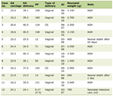
Among 351 participants, the largest age group was 41–50 years (37%) followed by those older than 50 years (29%), 31–40 years (20%) and 20–30 years (14%). Approximately 17% had biochemical hypogonadism (serum testosterone below the study threshold < 1.75 ng/mL) (Table 1).
 Click to view | Table 1. Baseline Demographic and Biochemical Characteristics of the Study Participants (N = 351) |
Lipoprotein profile and hypogonadism
The distribution of HDL and LDL categories differed significantly between hypogonadal and non-hypogonadal men: decreased HDL and increased LDL were more frequent in hypogonadal men, whereas normal or high HDL and normal LDL were more frequent in non-hypogonadal men (HDL, P = 0.039; LDL, P = 0.021) (Table 2). Mean HDL was significantly lower and mean LDL significantly higher in hypogonadal men (P = 0.047 and P = 0.023, respectively) (Table 3).
Click to view | Table 2. HDL and LDL Patterns in Males With and Without Hypogonadism (N = 351) |
Click to view | Table 3. HDL and LDL Levels in Hypogonadal Compared to Non-Hypogonadal Men |
Testosterone across lipoprotein categories
Mean testosterone level differed significantly across lipoprotein categories, highest in men with high HDL and low LDL and lowest in men with low HDL and high LDL (HDL, P = 0.020; LDL, P = 0.016) (Table 4).
Click to view | Table 4. Comparison of Mean Serum Testosterone Levels across Lipoprotein Profile Categories |
Severity of testosterone deficiency
Among the 54 hypogonadal men, decreased HDL and increased LDL were significantly associated with a greater degree of testosterone deficiency (HDL, P = 0.029; LDL, P = 0.018) (Table 5).
Click to view | Table 5. Testosterone Deficiency Severity and Lipoprotein Status (N = 54) |
Correlation analysis
Bivariate density plots showed that testosterone tended to rise with HDL and to reduce with LDL (Fig. 1). Pearson correlation analysis confirmed a weak-to-moderate positive correlation between HDL and testosterone level (r = 0.335, P < 0.001) and a weak-to-moderate negative correlation between LDL and testosterone (r = −0.361, P < 0.001) (Figs. 2, 3). Mean testosterone levels declined across HDL and LDL categories reflecting progressively less optimal lipid profiles with a more pronounced decline among hypogonadal men, whereas non-hypogonadal men exhibited less variation across these categories (Figs. 4, 5).
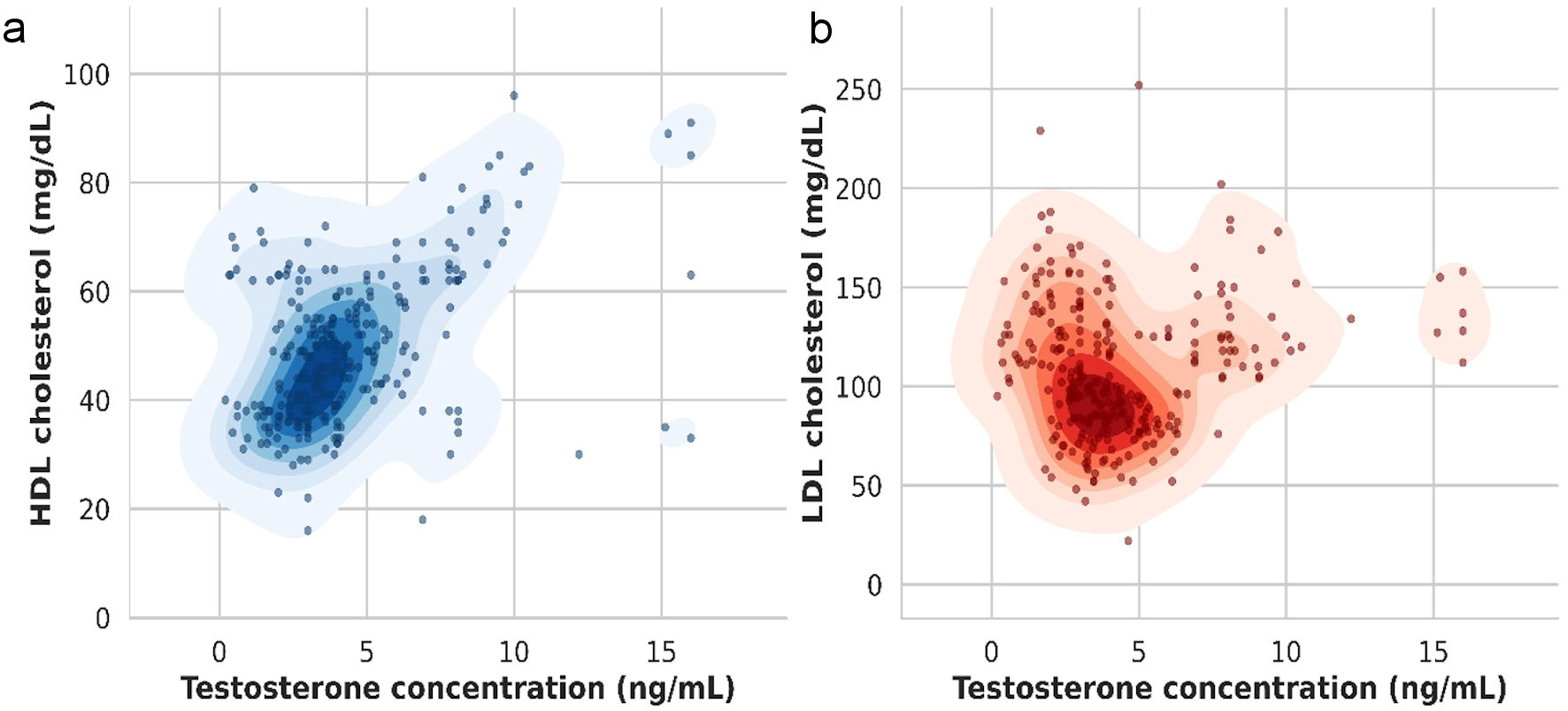 Click for large image | Figure 1. Bivariate density distributions of serum testosterone with HDL and LDL cholesterol. (a) Testosterone level (ng/mL) plotted against HDL cholesterol (mg/dL) for the 351 participants. (b) Testosterone level plotted against LDL cholesterol (mg/dL) for the 351 participants. Each dot is one participant, and the shaded contours show the density of observations (darker shading indicates more participants). Testosterone tends to be higher at higher HDL values (a) and lower at higher LDL values (b). HDL: high-density lipoprotein; LDL: low-density lipoprotein. |
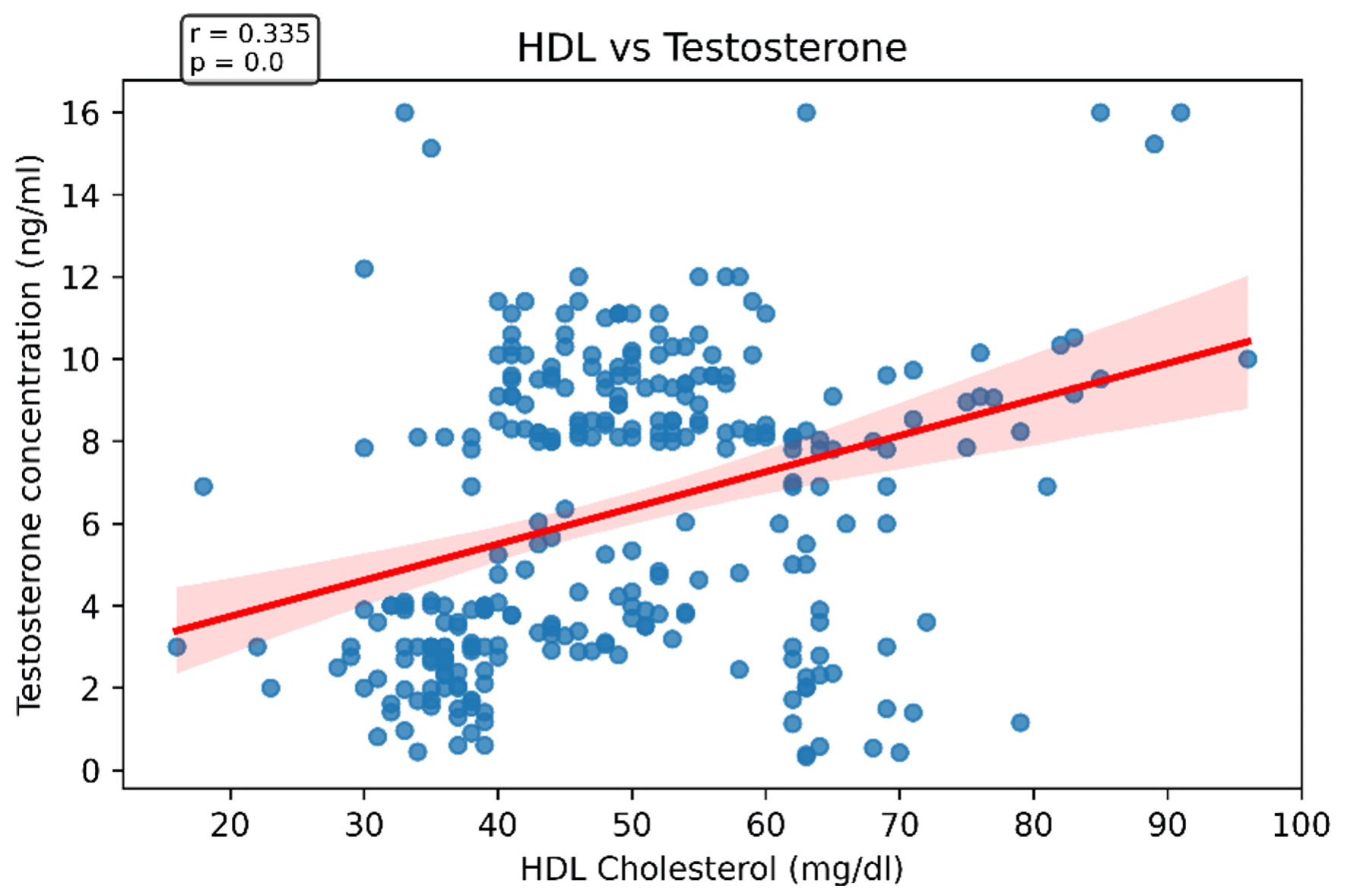 Click for large image | Figure 2. Correlation between HDL cholesterol and serum testosterone. The scatter plot shows testosterone levels (ng/mL) plotted against HDL cholesterol (mg/dL) with the linear regression line (red) and its confidence band (shaded) for the 351 participants. The Pearson correlation coefficient was r = 0.335 (P = 0.0), indicating a weak-to-moderate positive correlation. HDL: high-density lipoprotein. |
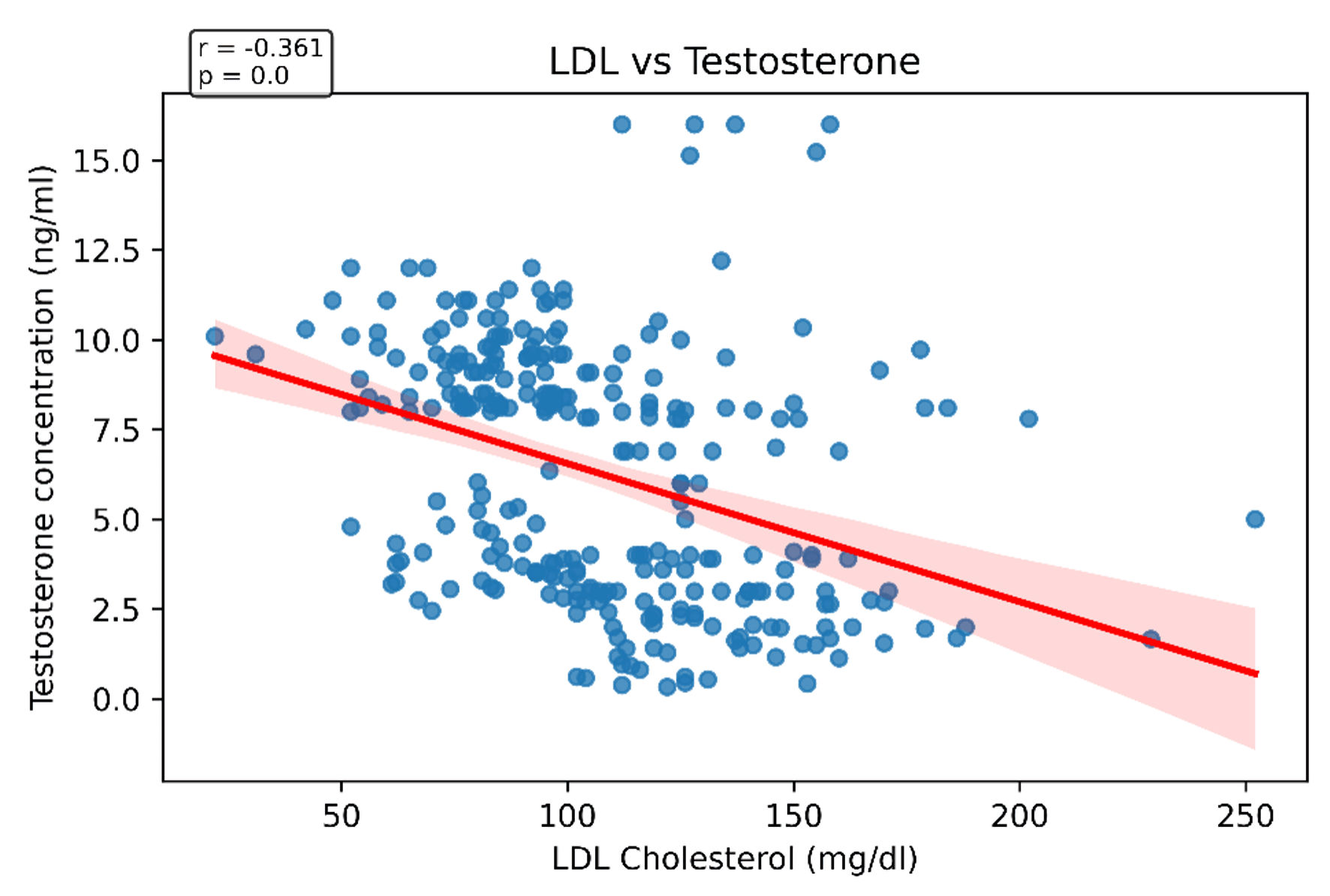 Click for large image | Figure 3. Correlation between LDL cholesterol and serum testosterone. The scatter plot shows testosterone levels (ng/mL) against LDL cholesterol (mg/dL) with the linear regression line (red) and its confidence band (shaded) in the 351 participants. The Pearson correlation coefficient was r = −0.361 (P = 0.0), indicating a weak-to-moderate negative correlation. LDL: low-density lipoprotein. |
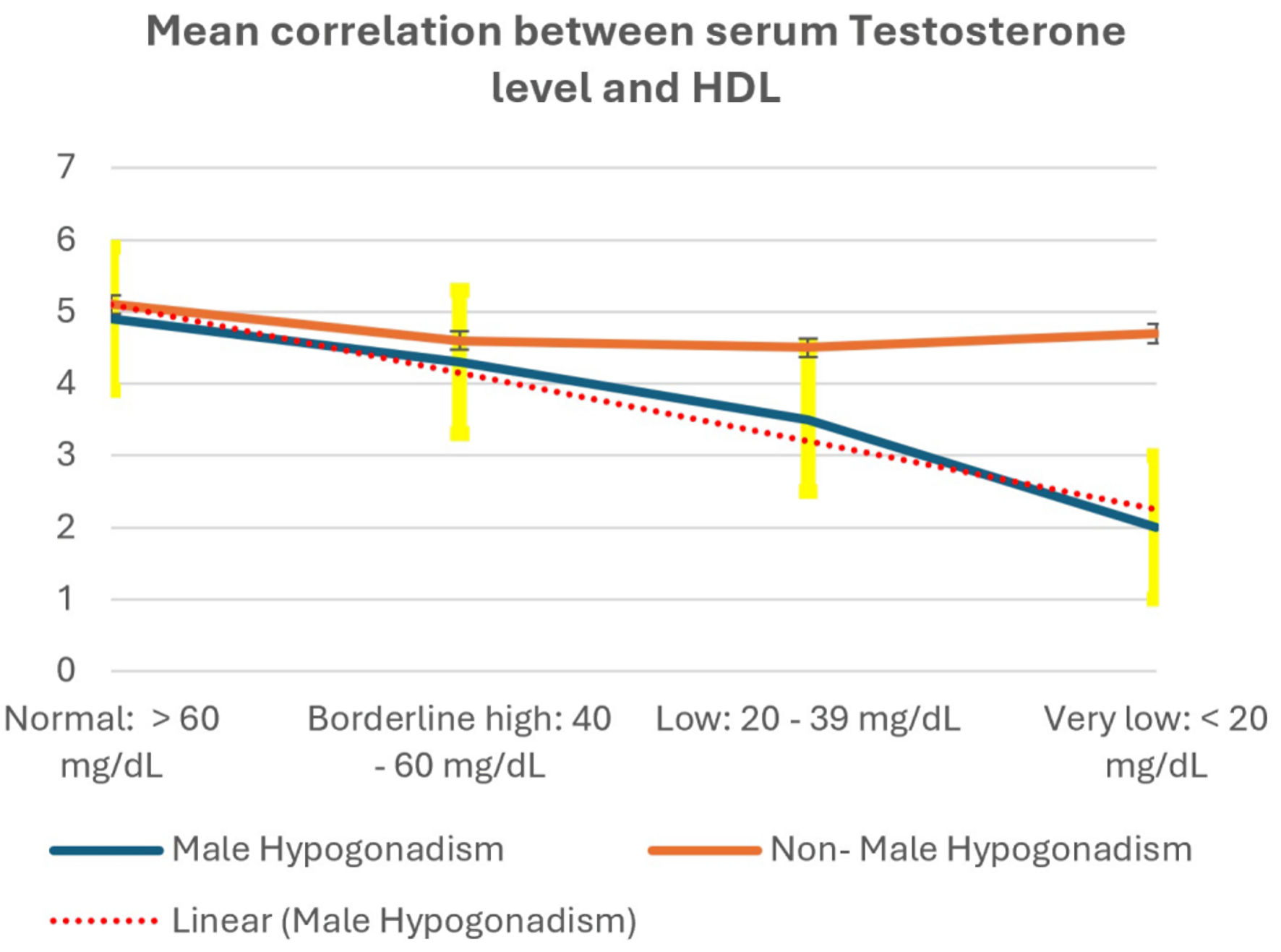 Click for large image | Figure 4. Mean serum testosterone by HDL cholesterol category in men with and without hypogonadism. Line chart of mean testosterone level (ng/mL) across HDL cholesterol categories (mg/dL, as labeled on the horizontal axis) for hypogonadal men (n = 54) and non-hypogonadal men (n = 297). Mean testosterone fell from the highest to the lowest HDL category in hypogonadal men, whereas differences across categories were small in non-hypogonadal men. HDL: high-density lipoprotein. |
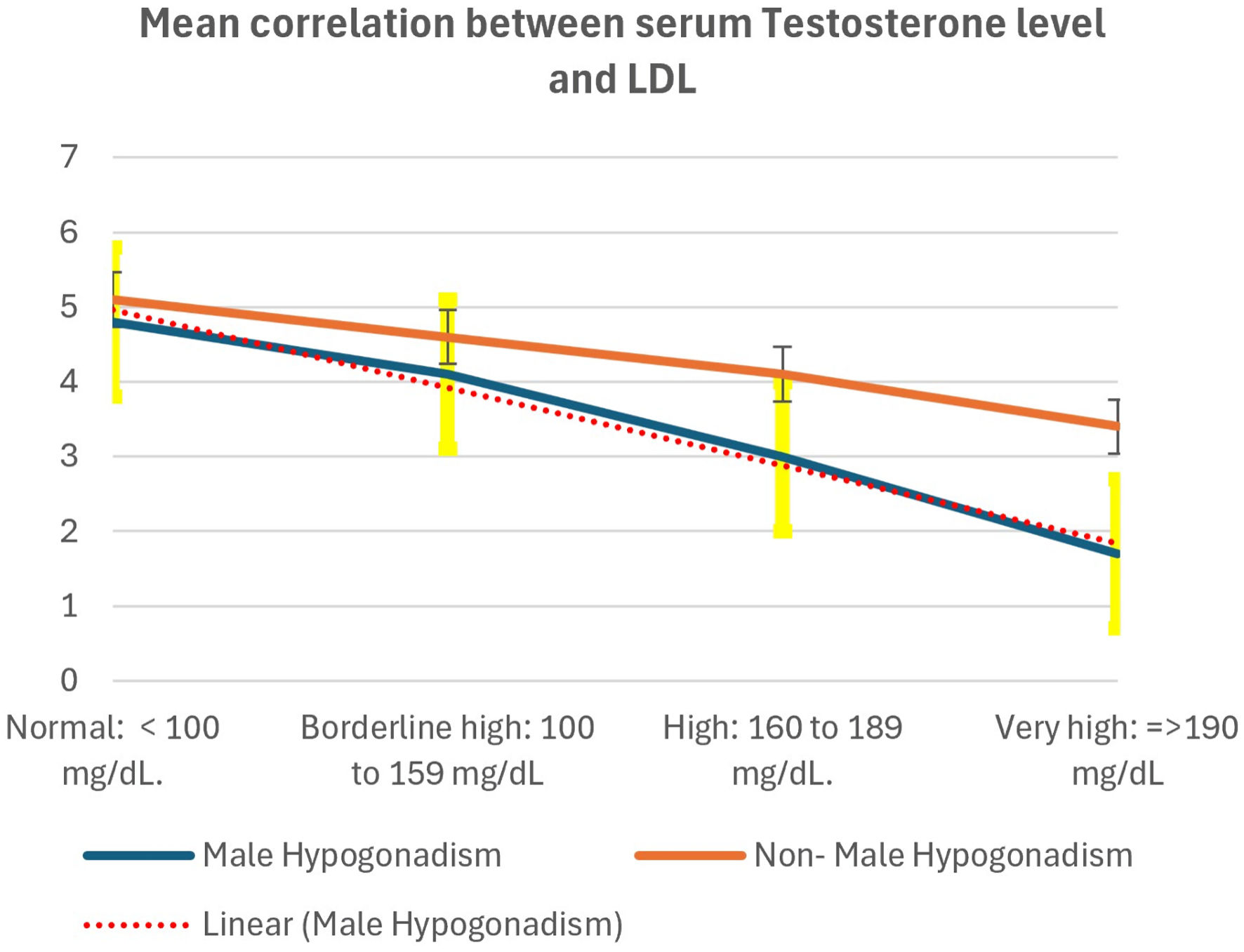 Click for large image | Figure 5. Mean serum testosterone by LDL cholesterol category in men with and without hypogonadism. Line chart of mean testosterone level (ng/mL) across LDL cholesterol categories (mg/dL, as labeled on the horizontal axis) for hypogonadal men (n = 54) and non-hypogonadal men (n = 297). Mean testosterone fell from the lowest to the highest LDL category in hypogonadal men, with smaller differences in non-hypogonadal men. LDL: low-density lipoprotein. |
| Discussion | ▴Top |
This study assessed the relationship between testosterone level, HDL and LDL cholesterol in 351 men evaluated at Thumbay Hospital, Ajman. Biochemical hypogonadism was present in 17% of the men, which is broadly in line with population estimates of low testosterone in comparable age ranges, although prevalence varies with age and with the testosterone threshold used [16]. Hypogonadal men had lower mean HDL and higher mean LDL than non-hypogonadal men, mean testosterone differed across lipoprotein categories, and testosterone showed weak-to-moderate correlations with HDL (r = 0.335) and LDL (r = −0.361). These findings describe statistical associations in a cross-sectional sample. The association between adverse lipid profiles and lower testosterone has already been described in the general population. Analysis of national survey data has reported associations between testosterone deficiency and remnant cholesterol [8, 10, 17]. Our results are consistent with these reports and extend them to men evaluated for infertility, but we do not present them as a new biological finding. The correlation coefficients observed here correspond to roughly 11% and 13% of shared variance between testosterone and HDL and LDL, respectively (r = 0.112 and 0.130), so most of the variability in testosterone is accounted for by other factors. These weak-to-moderate associations suggest that lipid concentrations alone have limited predictive power for an individual man. Because of the cross-sectional design, our data cannot show whether hypogonadism leads to suboptimal lipoprotein profiles, whether dyslipidemia impairs testosterone production or a shared factor, such as adiposity and insulin resistance, which were not assessed in this analysis.
Interventional evidence is also mixed: a meta-analysis of randomized trials of testosterone replacement in late-onset hypogonadism reported lower total cholesterol but also a small decrease in HDL [12]. From a practical standpoint, hypogonadism was found in 28 of 107 men with low HDL (26%) and in 21 of 72 men with high LDL (29%) compared with 26 of 244 men with normal or high HDL (11%) and 33 of 279 men with low or normal LDL (12%). Abnormal HDL and LDL results could therefore be used as a prompt for early testosterone measurement in infertile men presenting to urology or andrology clinics. As a hypothesis-generating proposal that requires prospective validation, we suggest reviewing the HDL and LDL results available from routine testing. If HDL is below 40 mg/dL or LDL is above 100 mg/dL, priority should be given to measuring early morning serum total testosterone and confirming a low value [18] with a repeat measurement, together with luteinizing hormone, follicle-stimulating hormone, and prolactin, to distinguish primary from secondary testicular dysfunction. If lipids are within these ranges, hypogonadism is less likely but not excluded, and testosterone testing should still follow standard clinical indications. In men with confirmed low testosterone who wish to conceive, exogenous testosterone replacement should be avoided because it suppresses spermatogenesis [19], and lipid abnormalities should be managed according to cardiovascular risk guidelines. These thresholds are descriptive, were not derived from a diagnostic accuracy analysis, and should not replace clinical judgment.
Lipid abnormalities have also been linked to semen quality, but findings differ between studies. For example, men with impaired semen parameters were reported to have preserved systemic HDL subfraction profiles but depleted seminal HDL cholesterol [20]. Semen parameters were not analyzed here, so we cannot determine whether the lipid testosterone association is reflected in fertility outcomes.
Limitations and future directions
This study has several limitations. First, its cross-sectional design demonstrates statistical association only, and it cannot determine whether hypogonadism drives dyslipidemia, dyslipidemia lowers testosterone, or both result from a shared factor. Prospective longitudinal studies are needed to clarify causality. Second, the correlations were weak-to-moderate, and no diagnostic accuracy measures, such as sensitivity and specificity were calculated, so the lipid thresholds proposed above are descriptive and require validation. Third, the study was conducted at a single center, and men with diabetes, hypertension, cardiovascular, liver or kidney disease and metabolic syndrome were excluded, which limits generalizability to men with these conditions. Fourth, triglycerides, body mass index, gonadotropins, and semen parameters were not included in the present analysis, and no multivariable adjustment for age or adiposity was performed. Fifth, hypogonadism was defined biochemically by a serum testosterone threshold of 1.75 ng/mL, and confirmation by repeat early morning sampling or clinical symptom assessment was not part of the analysis. Future studies should be prospective and multicenter, include triglycerides, body mass index, gonadotropins, semen analysis, apply adjusted models and diagnostic accuracy analyses, and test whether lipid triggered testosterone screening improves the detection of hypogonadism in infertile men.
Conclusions
Reduced HDL and elevated LDL cholesterol concentrations were associated with weak-to-moderate correlations with lower serum testosterone levels in this cohort of infertile men. Routine lipid profile results may serve as a cost-effective indicator to prompt early testosterone testing rather than replace a comprehensive hormonal evaluation. Prospective, multicenter studies are warranted to validate the predictive utility of lipid profile-based screening for hypogonadism in men undergoing infertility evaluation.
Acknowledgments
This publication was supported by the College of Health Sciences, Gulf Medical University, Ajman, UAE.
Financial Disclosure
The authors received no financial support for the research, authorship, and/or publication of this article
Conflict of Interest
The authors declare that they have no known competing financial interests or personal relationships that could have appeared to influence the work reported in this paper. The views and opinions expressed in this article are those of the authors and are the product of professional research. They do not necessarily reflect the official policy or position of any affiliated institution, funder, agency, or publisher.
Informed Consent
Informed consent was obtained from all subjects involved in the study.
Author Contributions
Salah Eldin Omar Hussein and Ayman Hussien Alfeel contributed to conceptualization, study design and supervision; Husham O. Elzein and Tagwa Yousif Elsayed Yousif contributed to methodology and data curation; Awadh S. Alsubhi and Heitham M. Mohammed contributed to investigation and resource acquisition; Mohamed Babiker Abdelrouf performed the formal analysis and data visualization; Ammar Abdelmola and Amged Gaffer Mostafa contributed to validation and critical review of the manuscript; Elryah I. Ali contributed to investigation and manuscript review; Salah Eldin Omar Hussein drafted the original manuscript. All authors reviewed, edited and approved the final version of the manuscript.
Data Availability
The authors declare that data supporting the findings of this study are available within the article.
AI Use Declaration
During the preparation of this work, the author Amged Gaffer Mostafa, Salah Eldin Omar Hussein used ChatGPT to edit English grammar and improve the resolution and quality of figures. After using this tool, the author Ayman Hussien Alfeel reviewed and edited the content as needed, and the author Salah Eldin Omar Hussein takes full responsibility for the content of the published article.
| References | ▴Top |
- Huner Yigit M, Yigit E, Atak M, Uzun H. Localized depletion of seminal HDL-C despite preserved systemic lipid profiles in men with impaired semen parameters: a prospective cross-sectional study. Biomolecules. 2026;16(6):820.
doi pubmed - Naelitz BD, Momtazi-Mar L, Vallabhaneni S, Cannarella R, Vij SC, Parekh NV, Bole R, et al. Testosterone replacement therapy and spermatogenesis in reproductive age men. Nat Rev Urol. 2025;22(10):703-719.
doi pubmed - Bhasin S, Brito JP, Cunningham GR, Hayes FJ, Hodis HN, Matsumoto AM, Snyder PJ, et al. Testosterone therapy in men with hypogonadism: an endocrine society clinical practice guideline. J Clin Endocrinol Metab. 2018;103(5):1715-1744.
doi pubmed - Meftah N, Bijani A, Hosseini SR, Soleimani AM. Decreased serum testosterone level was not significantly correlated with lipid indices in elderly men. Caspian J Intern Med. 2021;12(2):135-139.
doi pubmed - Mei Y, Chen Y, Wang X, Xu R, Feng X. The relationship between remnant cholesterol and the risk of testosterone deficiency in US adults: a cross-sectional study based on the NHANES database. Front Endocrinol (Lausanne). 2024;15:1458193.
doi pubmed - Thirumalai A, Anawalt BD. Epidemiology of male hypogonadism. Endocrinol Metab Clin North Am. 2022;51(1):1-27.
doi pubmed - Alwani M, Yassin A, Talib R, Al-Qudimat A, Aboumarzouk O, Al-Zoubi RM, Saad F, et al. Cardiovascular disease, hypogonadism and erectile dysfunction: early detection, prevention and the positive effects of long-term testosterone treatment: prospective observational, real-life data. Vasc Health Risk Manag. 2021;17:497-508.
doi pubmed - Sizar O, Leslie SW, Schwartz J. Male hypogonadism. In: StatPearls. Treasure Island (FL) ineligible companies. 2024.
pubmed - Mei Y, Chen Y, Wang X, Xu R, Xu R, Feng X. The inverse relationship between the non-high-density lipoprotein cholesterol to high-density lipoprotein cholesterol ratio and testosterone in adult males in the United States: a cross-sectional study based on the NHANES database. Front Endocrinol (Lausanne). 2025;16:1478124.
doi pubmed - Kim SH, Park JJ, Kim KH, Yang HJ, Kim DS, Lee CH, Jeon YS, et al. Efficacy of testosterone replacement therapy for treating metabolic disturbances in late-onset hypogonadism: a systematic review and meta-analysis. Int Urol Nephrol. 2021;53(9):1733-1746.
doi pubmed - Alberto M, Yim A, Lawrentschuk N, Bolton D. Dysfunctional lipid metabolism-the basis for how genetic abnormalities express the phenotype of aggressive prostate cancer. Cancers (Basel). 2023;15(2):341.
doi pubmed - Tai Y, Chen B, Kong Y, Shang J. Association between the atherogenic index of plasma and testosterone deficiency in American adults: a cross-sectional study from NHANES 2011-2016. Front Endocrinol (Lausanne). 2025;16:1531221.
doi pubmed - Korytowski W, Pilat A, Schmitt JC, Girotti AW. Deleterious cholesterol hydroperoxide trafficking in steroidogenic acute regulatory (StAR) protein-expressing MA-10 Leydig cells: implications for oxidative stress-impaired steroidogenesis. J Biol Chem. 2013;288(16):11509-11519.
doi pubmed - Li T, Chen L, Liang X, Li X, Li Y, Huang Y, Wang Y. Inverse association between atherogenic index of plasma and testosterone in US adult males: a large cross-sectional study from the NAHNES 2011-2016. Front Physiol. 2025;16:1504778.
doi pubmed - Cui D, Yu X, Guan Q, Shen Y, Liao J, Liu Y, Su Z. Cholesterol metabolism: molecular mechanisms, biological functions, diseases, and therapeutic targets. Mol Biomed. 2025;6(1):72.
doi pubmed - Feingold KR. The effect of endocrine disorders on lipids and lipoproteins. [Updated Apr 6, 2023]. In: Feingold KR, Adler RA, Ahmed SF, et al., editors. Endotext [Internet]. South Dartmouth (MA): MDText.com, Inc.; 2000. Available from: https://www.ncbi.nlm.nih.gov/books/NBK409608/.
- Fraile-Martinez O, Ortega MA, Garcia-Montero C. Understanding the secular decline in testosterone: mechanisms, consequences, and clinical perspectives. Int J Mol Sci. 2026;27(2):692.
doi pubmed - Chao HH, Zhang Y, Dong PY, Gurunathan S, Zhang XF. Comprehensive review on the positive and negative effects of various important regulators on male spermatogenesis and fertility. Front Nutr. 2022;9:1063510.
doi pubmed - Ramdass P, Ganesan G, Selatnia F, Boulaaras S. Enhancing the precision of male fertility diagnostics through bio inspired optimization techniques. Sci Rep. 2025;15(1):37528.
doi pubmed - Kaltsas A, Koumenis A, Stavropoulos M, Kratiras Z, Deligiannis D, Adamos K, Chrisofos M. Male infertility and reduced life expectancy: epidemiology, mechanisms, and clinical implications. J Clin Med. 2025;14(11):3930.
doi pubmed
This article is distributed under the terms of the Creative Commons Attribution 4.0 International License (CC BY 4.0), which permits unrestricted use, distribution, and reproduction in any medium, including commercial use, provided the original work is properly cited.
Journal of Clinical Medicine Research is published by Elmer Press Inc.