| Journal of Clinical Medicine Research, ISSN 1918-3003 print, 1918-3011 online, Open Access |
| Article copyright, the authors; Journal compilation copyright, J Clin Med Res and Elmer Press Inc |
| Journal website https://jocmr.elmerjournals.com |
Original Article
Volume 18, Number 11, November 2026, pages 835-841

Severe Inpatient Pain After Stapled Hemorrhoidopexy Versus Milligan–Morgan Hemorrhoidectomy: A Multicenter Overlap-Weighted Cohort Study
Nguyen Hoang Dieua, Tran Vuong The Vinhb, Pham Van Thuongb, c, d
aHoa Binh General Hospital, Phu Tho, Vietnam
bDepartment of Surgery, Hai Phong University of Medicine and Pharmacy, Hai Phong, Vietnam
cDepartment of Surgery, Hai Phong Medical University Hospital, Hai Phong, Vietnam
dCorresponding Author: Pham Van Thuong, Department of Surgery, Hai Phong University of Medicine and Pharmacy, Hai Phong 180000, Vietnam
Manuscript submitted September 10, 2026, accepted October 12, 2026, published online November 9, 2026
Short title: Stapled Versus Excisional Hemorrhoid Surgery
doi: https://doi.org/10.14740/jocmr6731
| Abstract | ▴Top |
Background: Stapled hemorrhoidopexy and Milligan–Morgan hemorrhoidectomy are commonly used surgical treatments for hemorrhoidal disease, but comparative evidence on early postoperative recovery in routine multicenter practice remains limited. This study aimed to compare early postoperative outcomes after stapled hemorrhoidopexy and Milligan–Morgan hemorrhoidectomy in routine multicenter practice.
Methods: This was a multicenter retrospective cohort study using standardized records from 13 hospitals. Adults with a classifiable operative technique were included. The primary outcome was severe inpatient pain, defined as pain requiring at least two additional analgesic doses beyond the routine regimen. Propensity-score overlap weighting balanced age, sex, ethnicity, emergency status, presenting symptoms, disease characteristics, comorbidity, and hospital. Hospital-clustered 95% confidence intervals (CIs) were calculated.
Results: Among 514 adults, 321 underwent stapled hemorrhoidopexy and 193 underwent Milligan–Morgan hemorrhoidectomy. Unadjusted severe-pain counts were 5/321 (1.6%) and 39/193 (20.2%), respectively; overlap-weighted risks were 0.8% and 17.4% (risk difference, −16.5 percentage points; 95% CI, −24.1 to −9.0; risk ratio, 0.05; 95% CI, 0.01–0.23). The overlap-weighted risk difference for a stay longer than 10 days was −11.9 percentage points (95% CI, −23.3 to −0.4). Estimates for urinary retention, bleeding, operative time, and mean stay were imprecise. Sensitivity analyses supported the primary association.
Conclusions: Stapled hemorrhoidopexy was associated with less severe inpatient pain, defined by at least two additional analgesic doses beyond the routine regimen, than Milligan–Morgan hemorrhoidectomy. This analgesic-use-based measure was not a validated patient-reported pain score.
Keywords: Hemorrhoids; Hemorrhoidopexy; Hemorrhoidectomy; Postoperative pain; Propensity score
| Introduction | ▴Top |
Hemorrhoidal disease is a common benign anorectal disorder, but the choice of operative treatment remains preference-sensitive. Contemporary guidelines recommend tailoring intervention to symptom burden, prolapse, external disease, previous treatment, and patient priorities. Excisional hemorrhoidectomy provides durable control for advanced or combined disease, whereas stapled hemorrhoidopexy restores prolapsed tissue without excising the sensitive anoderm. These different mechanisms create a clinically important trade-off between early recovery and long-term disease control [1–4].
Comparative evidence generally suggests less early pain after stapled hemorrhoidopexy than after open excisional hemorrhoidectomy, but recurrence and procedure-specific complications remain concerns [5, 6]. Pain-focused syntheses show that the operation itself is a major determinant of analgesic requirements, alongside anesthesia, wound management, and postoperative medication [7–9]. Urinary retention, bleeding, and delayed discharge are also relevant early outcomes [10]. Recent randomized and real-world studies continue to show that recovery differs across operative approaches, while emphasizing heterogeneity in technique, case selection, and patient-reported outcomes. Long-term series further caution that favorable early recovery cannot be assumed to imply durable superiority [11–14].
Evidence from multicenter provincial practice is limited. In such settings, hospital resources, surgeon experience, perioperative pathways, and access to stapling devices may influence both procedure selection and recovery. Pain also depends on baseline symptoms and individual factors [15, 16], while urinary retention may reflect anesthesia, fluid therapy, and postoperative care as much as the operation itself [17]. Comparisons of other minimally invasive approaches and network evidence likewise reinforce the need to separate early recovery from durable disease control [18–20]. Prior randomized comparisons [11, 21] inform treatment effects under trial protocols; this cohort estimated associations during routine care across 13 hospitals with heterogeneous treatment selection and perioperative pathways. Severe inpatient pain was the prespecified primary outcome, and we hypothesized that stapled hemorrhoidopexy would be associated with a lower risk than Milligan–Morgan hemorrhoidectomy. We used propensity-score overlap weighting to address measured differences in case mix and hospital.
| Materials and Methods | ▴Top |
Study design, setting, and ethics
This was a multicenter retrospective cohort study of an existing standardized clinical database from 13 provincial general hospitals in northern Vietnam. The database contained patients treated surgically for hemorrhoidal disease under a shared diagnostic and operative protocol. The study involved a retrospective secondary analysis of de-identified data obtained from an existing multicenter clinical database established during routine clinical care. There was no direct patient contact, and the study involved no intervention or modification of standard management. All records were de-identified before analysis. In accordance with applicable institutional policies, the ethical approval and informed consent were not required for the present secondary analysis because it used only previously collected, non-identifiable data and posed no additional risk to participants. Reporting was guided by the Strengthening the Reporting of Observational Studies in Epidemiology statement [22].
Participants and exposure classification
The database contained 522 surgical records. We included patients aged 18 years or older whose operation could be classified as stapled hemorrhoidopexy (Longo procedure) or Milligan–Morgan hemorrhoidectomy. Six patients younger than 18 years and two patients whose technique remained unclassifiable after data checks were excluded. For most records, two complementary technique indicators agreed. When those indicators were discordant or incomplete, classification was accepted only when the recorded procedure-specific operative steps supported one technique; otherwise, the record was excluded. The exposure was the operation received. All eligible records were analyzed, and no post hoc sample-size calculation was performed.
Operative procedures and perioperative care
Milligan–Morgan hemorrhoidectomy consisted of separate excision of the principal hemorrhoidal bundles, ligation of their pedicles, preservation of intervening mucocutaneous bridges, and hemostasis. In the stapled hemorrhoidopexy, a circumferential purse-string suture was placed in rectal mucosa above the dentate line; a circular stapler was introduced, closed, fired, and removed; the staple line and tissue ring were inspected; and bleeding points were reinforced when required. Concomitant treatment of thrombosis, skin tags, fissure, or another anal lesion was performed when clinically indicated. Anesthesia, routine analgesia, fluid therapy, and discharge decisions followed local hospital practice and were not randomized.
Outcomes
The prespecified primary outcome was severe inpatient postoperative pain during the index admission. The analysis used one categorical pain grade per patient from the standardized record. The grades were linked to additional analgesic use: A, no pain; B, pain controlled by the routine regimen; C, one additional dose; D, two additional doses; and E, at least three additional doses. Severe pain comprised grades D and E, as defined before comparative modeling.
Secondary outcomes
Secondary outcomes were operative time longer than 60 min, urinary retention requiring bladder catheterization, postoperative passage of fresh blood or clots, total length of stay, and prolonged hospitalization longer than 10 days. Dichotomous thresholds followed the categories in the standardized form. Because the database did not contain uniform post-discharge follow-up, recurrence, late bleeding, continence, reintervention, return to work, and long-term quality of life were outside the study scope.
Statistical analysis
Continuous variables are summarized as mean ± standard deviation and median with interquartile range; categorical variables are summarized as number and percentage. Baseline imbalance was assessed with standardized mean differences (SMDs), not significance tests. The propensity score was estimated with logistic regression for receipt of the stapled hemorrhoidopexy using all prespecified covariates and indicator terms for hospital. With e denoting the estimated probability of stapled hemorrhoidopexy, these patients received weight 1−e and Milligan–Morgan patients received weight e. These overlap weights target patients with clinical equipoise, reduce the influence of extreme propensity scores, and can achieve close measured covariate balance [23, 24]. An absolute weighted SMD below 0.10 was considered acceptable.
Effect estimation and sensitivity analyses
For binary outcomes, we estimated weighted risks, the stapled hemorrhoidopexy minus Milligan–Morgan risk difference, and the risk ratio. For length of stay, we estimated weighted means and their difference. Sandwich variances were clustered by hospital, and 95% CIs and two-sided P values used a t distribution with 12 degrees of freedom. Effective sample sizes were calculated from the weights. Secondary outcomes were treated as exploratory; no multiplicity adjustment was applied, and interpretation emphasized effect estimates and CIs. One sensitivity analysis restricted the cohort to records with concordant primary technique indicators. A second used 1:1 nearest-neighbor propensity-score matching without replacement, exact matching on hospital, hemorrhoid grade, hemorrhoid type, and ethnicity, and a caliper of 0.20 standard deviations of the propensity-score logit. Paired risk-difference CIs used 10,000 pair-level bootstrap samples; exact McNemar tests assessed binary outcomes, and paired t CIs with Wilcoxon tests assessed length of stay. Analyses were performed using Python with pandas, NumPy, SciPy, scikit-learn, and statsmodels.
| Results | ▴Top |
Cohort derivation
Of 522 records, six were excluded because patients were younger than 18 years and two because the operative technique could not be classified. The cohort therefore comprised 514 adults from 13 hospitals: 321 treated with stapled hemorrhoidopexy and 193 with Milligan–Morgan hemorrhoidectomy. The two primary technique indicators were concordant in 507 included records; seven records were classified from technique-specific operative fields.
Baseline characteristics and overlap weighting
Before weighting, patients undergoing stapled hemorrhoidopexy were older than those undergoing Milligan–Morgan hemorrhoidectomy (47.5 ± 14.7 vs. 43.1 ± 14.3 years; SMD, 0.303) and less often belonged to an ethnic minority group (39.9% vs. 54.9%; SMD, −0.305). Thrombosis was less common with stapled hemorrhoidopexy (11.5% vs. 20.7%; SMD, −0.252). Procedure use also varied substantially by hospital; the largest center-level absolute SMD was 0.499. Overlap weighting balanced all specified covariates and hospital indicators, with a maximum absolute weighted SMD of 0.035. Effective sample sizes were 194.6 for stapled hemorrhoidopexy and 147.3 for Milligan–Morgan (Table 1).
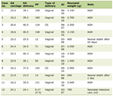 Click to view | Table 1. Baseline Characteristics Before and After Propensity-Score Overlap Weighting |
Primary outcome
Severe pain occurred in five of 321 stapled hemorrhoidopexy patients (1.6%) and 39 of 193 Milligan–Morgan patients (20.2%) (Table 2). After overlap weighting, estimated risks were 0.8% and 17.4%, respectively. The adjusted risk difference was −16.5 percentage points (95% CI, −24.1 to −9.0; P < 0.001), and the risk ratio was 0.05 (95% CI, 0.01–0.23) (Table 3). The full pain distribution supported this separation: grades D or E accounted for five stapled hemorrhoidopexy records compared with 39 Milligan–Morgan records, whereas grade B was the most frequent category after stapled hemorrhoidopexy and grade C after Milligan–Morgan.
Click to view | Table 2. Unadjusted Early Postoperative Outcomes |
Click to view | Table 3. Propensity Score–Overlap Weighted Treatment-Effect Estimates |
Secondary outcomes
The weighted risk of a hospital stay longer than 10 days was 24.1% after stapled hemorrhoidopexy and 36.0% after Milligan–Morgan, corresponding to a risk difference of −11.9 percentage points (95% CI, −23.3 to −0.4; P = 0.044). The P value of 0.044 was calculated on the risk-difference scale, whereas the separately estimated risk-ratio 95% CI was 0.449–1.001 and included 1.0. However, weighted mean length of stay differed by −0.92 days (8.45 vs. 9.36 days; 95% CI, −2.11 to 0.28; P = 0.121), so the continuous estimate remained compatible with no difference. CIs also included no difference for operative time longer than 60 min (risk difference, −1.0 percentage point; 95% CI, −7.8 to 5.7), urinary retention (8.0 percentage points; 95% CI, −0.4 to 16.4), and postoperative bleeding (−1.6 percentage points; 95% CI, −5.4 to 2.3) (Table 3).
Sensitivity analyses
Restricting the cohort to the 507 records with concordant technique indicators yielded a severe-pain risk difference of −16.0 percentage points (95% CI, −23.7 to −8.4) after overlap weighting. Exact and caliper matching produced 78 pairs. In the matched cohort, severe pain occurred in two stapled hemorrhoidopexy patients and 15 Milligan–Morgan patients, with a paired risk difference of −16.7 percentage points (95% CI, −25.6 to −7.7; exact McNemar P < 0.001). The matched analysis also yielded a paired mean length-of-stay difference of −1.26 days (95% CI, −2.28 to −0.24). Residual SMDs for age and preoperative bleeding modestly exceeded 0.10 after matching; for that reason, overlap weighting remained the primary analysis (Table 4).
Click to view | Table 4. Sensitivity Analyses |
| Discussion | ▴Top |
In this 13-hospital retrospective cohort, stapled hemorrhoidopexy showed a large adjusted association with lower recorded severe inpatient pain after balancing measured case mix and hospital. The absolute risk difference was −16.5 percentage points (95% CI, −24.1 to −9.0), equivalent to approximately 17 fewer recorded events per 100 patients in the weighted comparison. The complementary risk ratio was 0.05 (95% CI, 0.01–0.23); only five unadjusted severe-pain events occurred in the stapled group, so the relative estimate is sensitive to sparse-event variation. Stapled hemorrhoidopexy was also associated with fewer stays longer than 10 days, whereas the mean length-of-stay estimate remained imprecise. Urinary retention was numerically higher after stapled hemorrhoidopexy; estimates for postoperative bleeding and operative time longer than 60 min remained imprecise.
The pain finding is directionally consistent with comparative syntheses and recent randomized evidence [5–8, 11]. Milligan–Morgan hemorrhoidectomy removes tissue that extends through pain-sensitive anoderm and leaves open wounds, whereas the staple line is intended to remain above the dentate line. The difference in tissue injury offers a plausible explanation for lower analgesic requirements. Nevertheless, postoperative pain is multidimensional. Current work shows that psychological state, baseline symptoms, wound management, anesthetic technique, and analgesic regimen also influence pain trajectories [9, 15, 16, 19]. Our outcome should therefore be interpreted as clinically recorded inpatient pain exceeding routine analgesic care, not as a validated patient-reported pain score. Because the endpoint was based on additional analgesic dosing, between-hospital differences in routine regimens, rescue-prescribing thresholds, and documentation could influence grade assignment. Including hospital in the propensity model balanced measured treatment selection by center but did not standardize postoperative care.
The secondary findings require cautious interpretation. Weighted urinary retention requiring catheterization was numerically higher after stapled hemorrhoidopexy than after Milligan–Morgan hemorrhoidectomy (34.1% vs. 26.1%; risk difference, 8.0 percentage points; 95% CI, −0.4 to 16.4; risk ratio, 1.31; 95% CI, 0.99–1.72). The CI included no difference, and this exploratory analysis had limited precision for the event; however, the direction should be acknowledged in counseling. Catheterization may depend on anesthesia, fluids, bladder protocols, pain, and local thresholds [10, 17]. Postoperative bleeding was uncommon, leaving a wide CI despite the multicenter sample. Technical details such as purse-string height, tissue capture, compression time, staple-line inspection, and reinforcement may affect bleeding after stapled hemorrhoidopexy [14]. Thus, absence of a clear difference in this study should not be read as equivalence.
Hospital stay illustrates the difference between a dichotomous operational measure and a continuous recovery measure. Weighted mean stays were 8.45 days after stapled hemorrhoidopexy and 9.36 days after Milligan–Morgan hemorrhoidectomy. These durations are long compared with ambulatory or short-stay surgery and may reflect local discharge practices, travel distance, social circumstances, and bed-management policies. Absolute stay durations therefore may not transfer to short-stay settings. Although fewer weighted stays exceeded 10 days after stapled hemorrhoidopexy, the mean difference remained compatible with no difference. The threshold finding may reflect fewer patients in the upper tail rather than uniformly faster recovery. Future studies should measure readiness for discharge, postoperative pain over time, return to usual activity, and patient-reported recovery.
Early inpatient recovery should be considered alongside longer-term outcomes. The eTHoS randomized trial reported less early pain after stapled hemorrhoidopexy but favored traditional excisional surgery for later quality of life and recurrence-related outcomes [21]. Long-term stapled series also reported variable recurrence [13, 25]. The 2024 American Society of Colon and Rectal Surgeons (ASCRS) guideline does not recommend routine first-line use of stapled hemorrhoidopexy for internal hemorrhoids [1]. This cohort lacked uniform post-discharge follow-up and cannot resolve the long-term trade-off.
The limitations were substantial. Treatment was not randomized, so unmeasured confounding remains possible despite close balance in recorded variables. Surgeon experience, operative volume, stapler model, anesthetic technique, medication dose, fluid management, and discharge criteria were not sufficiently standardized for adjustment. Pain grading combined subjective experience with additional analgesic use and may have been affected by local prescribing practice. The database did not provide uniform post-discharge follow-up, validated patient-reported outcomes, recurrence, continence, time to return to work, or late complications. Operative time was available only in categories, and prolonged stay was defined from the form rather than an externally validated threshold. Seven techniques required adjudication from procedure-specific fields, although excluding them did not change the primary inference. Finally, the overlap-weighted estimand applies to patients with measured characteristics compatible with either operation and should not be generalized to every patient with hemorrhoidal disease.
A pragmatic next step would be a prospective comparative registry with common definitions, daily pain scores, standardized analgesic exposure, procedural quality indicators, and long-term symptom and recurrence follow-up. Collection of surgeon and hospital process variables would allow separation of the operative effect from pathway effects. Until such data are available, procedure selection should integrate early inpatient recovery with evidence on long-term outcomes, procedure-specific risks, external disease, cost, and patient preference.
Conclusion
In a propensity score–weighted multicenter retrospective cohort, stapled hemorrhoidopexy was associated with substantially less severe inpatient pain than Milligan–Morgan hemorrhoidectomy. It was also associated with fewer prolonged hospital stays, while estimates for operative duration, urinary retention, postoperative bleeding, and mean length of stay remained uncertain. These data inform early recovery but do not establish causal or long-term superiority.
Acknowledgments
None to declare.
Financial Disclosure
None to declare.
Conflict of Interest
The authors have declared that no competing interests exist.
Informed Consent
The requirement for informed consent was waived.
Author Contributions
PVT: conceptualization, methodology, writing – original draft, writing – review & editing, supervision. NHD and TVTV: investigation, data curation, formal analysis, writing – original draft, writing – review & editing. All authors have approved the final version of the manuscript.
Data Availability
The data supporting the findings of this study are available from the corresponding author upon reasonable request.
Abbreviations
CI: confidence interval; IQR: interquartile range; MM: Milligan–Morgan hemorrhoidectomy; SMD: standardized mean difference
| References | ▴Top |
- Hawkins AT, Davis BR, Bhama AR, Fang SH, Dawes AJ, Feingold DL, Lightner AL, et al. The American Society of Colon and Rectal Surgeons Clinical Practice Guidelines for the management of hemorrhoids. Dis Colon Rectum. 2024;67(5):614-623.
doi pubmed - Brillantino A, Renzi A, Talento P, Brusciano L, Marano L, Grillo M, Maglio MN, et al. The Italian Unitary Society of Colon-Proctology (Societa Italiana Unitaria di Colonproctologia) guidelines for the management of acute and chronic hemorrhoidal disease. Ann Coloproctol. 2024;40(4):287-320.
doi pubmed - van Tol RR, Kleijnen J, Watson AJM, Jongen J, Altomare DF, Qvist N, Higuero T, et al. European Society of ColoProctology: guideline for haemorrhoidal disease. Colorectal Dis. 2020;22(6):650-662.
doi pubmed - Ng KS, Holzgang M, Young C. Still a case of "No Pain, No Gain"? An updated and critical review of the pathogenesis, diagnosis, and management options for hemorrhoids in 2020. Ann Coloproctol. 2020;36(3):133-147.
doi pubmed - Jin JZ, Bhat S, Lee KT, Xia W, Hill AG. Interventional treatments for prolapsing haemorrhoids: network meta-analysis. BJS Open. 2021;5(5).
doi pubmed - Aibuedefe B, Kling SM, Philp MM, Ross HM, Poggio JL. An update on surgical treatment of hemorrhoidal disease: a systematic review and meta-analysis. Int J Colorectal Dis. 2021;36(9):2041-2049.
doi pubmed - Balciscueta Z, Balciscueta I, Uribe N. Post-hemorrhoidectomy pain: can surgeons reduce it? A systematic review and network meta-analysis of randomized trials. Int J Colorectal Dis. 2021;36(12):2553-2566.
doi pubmed - Lohsiriwat V, Jitmungngan R. Strategies to Reduce Post-Hemorrhoidectomy Pain: A Systematic Review. Medicina (Kaunas). 2022;58(3).
doi pubmed - Bikfalvi A, Faes C, Freys SM, Joshi GP, Van de Velde M, Albrecht E. PROSPECT guideline for haemorrhoid surgery: a systematic review and procedure-specific postoperative pain management recommendations. Eur J Anaesthesiol Intensive Care. 2023;2(3):e0023.
doi pubmed - Romaguera VP, Sancho-Muriel J, Alvarez-Sarrdo E, Millan M, Garcia-Granero A, Frasson M. Postoperative complications in hemorrhoidal disease and special conditions. Rev Recent Clin Trials. 2021;16(1):67-74.
doi pubmed - Kim TG, Lee CS, Lee DG, Chung CS, Kim SH, Yu SH, Lee JE, et al. A comparative study on efficacy and safety of modified partial stapled hemorrhoidopexy versus conventional hemorrhoidectomy: a prospective randomized controlled trial. Ann Coloproctol. 2025;41(2):145-153.
doi pubmed - Kement M, Tekin A, Baysal H, Tosun S, Alimoglu O, Sucullu I, Civil O, et al. Patient-reported outcomes after hemorrhoid surgery: early results from a prospective, nationwide, real-world, cohort study on diverse approaches. Ann Coloproctol. 2025;41(6):573-585.
doi pubmed - Sturiale A, Dowais R, Fabiani B, Menconi C, Porzio FC, Coli V, Naldini G. Long-term outcomes of high-volume stapled hemorroidopexy to treat symptomatic hemorrhoidal disease. Ann Coloproctol. 2023;39(1):11-16.
doi pubmed - Yoo BE, Kang WH, Ko YT, Lee YC, Lim CH. The importance of compression time in stapled hemorrhoidopexy: is patience a virtue? Ann Coloproctol. 2024;40(2):176-181.
doi pubmed - Mallmann C, Langenbach MR, Florescu RV, Kohler A, Barkus J, Ritz JP, Gebauer F, et al. Parameters predicting postoperative pain and quality of life after hemorrhoidectomy: follow-up results from a prospective multicenter randomized trial. Int J Colorectal Dis. 2023;38(1):262.
doi pubmed - Wang G, Wu Y, Cao Y, Zhou R, Tao K, Wang L. Psychological states could affect postsurgical pain after hemorrhoidectomy: a prospective cohort study. Front Surg. 2022;9:1024237.
doi pubmed - Liao WC, Cheng YY, Hsu CK, Chiu YC, Chiu HY, Chang SC, Hu SH. Effects of early warm water sitz bath on urinary retention and pain after haemorrhoidectomy: A randomized controlled trial. Int J Nurs Stud. 2024;154:104765.
doi pubmed - Wee IJY, Koo CH, Seow-En I, Ng YYR, Lin W, Tan EJK. Laser hemorrhoidoplasty versus conventional hemorrhoidectomy for grade II/III hemorrhoids: a systematic review and meta-analysis. Ann Coloproctol. 2023;39(1):3-10.
doi pubmed - Yang Y, Feng K, Lei Y, Qiu L, Liu C, Li G. Comparing the efficacy and safety of different analgesic strategies after open hemorrhoidectomy: a systematic review and network meta-analysis. Int J Colorectal Dis. 2023;38(1):4.
doi pubmed - Zhang G, Liang R, Wang J, Ke M, Chen Z, Huang J, Shi R. Network meta-analysis of randomized controlled trials comparing the procedure for prolapse and hemorrhoids, Milligan-Morgan hemorrhoidectomy and tissue-selecting therapy stapler in the treatment of grade III and IV internal hemorrhoids(Meta-analysis). Int J Surg. 2020;74:53-60.
doi pubmed - Watson AJ, Hudson J, Wood J, Kilonzo M, Brown SR, McDonald A, Norrie J, et al. Comparison of stapled haemorrhoidopexy with traditional excisional surgery for haemorrhoidal disease (eTHoS): a pragmatic, multicentre, randomised controlled trial. Lancet. 2016;388(10058):2375-2385.
doi pubmed - von Elm E, Altman DG, Egger M, Pocock SJ, Gotzsche PC, Vandenbroucke JP, Initiative S. The Strengthening the Reporting of Observational Studies in Epidemiology (STROBE) statement: guidelines for reporting observational studies. Lancet. 2007;370(9596):1453-1457.
doi pubmed - Thomas LE, Li F, Pencina MJ. Overlap weighting: a propensity score method that mimics attributes of a randomized clinical trial. JAMA. 2020;323(23):2417-2418.
doi pubmed - Li F, Thomas LE, Li F. Addressing extreme propensity scores via the overlap weights. Am J Epidemiol. 2019;188(1):250-257.
doi pubmed - Sobrado CW, Sobrado LF, Obregon CA, Villela HM, Hora JAB. Stapled hemorrhoidopexy: results, late complications, and degree of satisfaction after 16 years of follow-up. Arq Bras Cir Dig. 2022;35:e1689.
doi pubmed
This article is distributed under the terms of the Creative Commons Attribution 4.0 International License (CC BY 4.0), which permits unrestricted use, distribution, and reproduction in any medium, including commercial use, provided the original work is properly cited.
Journal of Clinical Medicine Research is published by Elmer Press Inc.