| Journal of Clinical Medicine Research, ISSN 1918-3003 print, 1918-3011 online, Open Access |
| Article copyright, the authors; Journal compilation copyright, J Clin Med Res and Elmer Press Inc |
| Journal website https://jocmr.elmerjournals.com |
Original Article
Volume 18, Number 12, December 2026, pages 938-944

Postoperative Hospital Length of Stay After Mesh-Based Inguinal Hernia Repair: A Two-Center Retrospective Cohort Study
Nguyen Hoang Dieua, Dinh Van Chienb, Do Minh Tungc, d, Tran Vuong The Vinhc, Dao Thi Ngoc Anhc, d, Pham Van Thuongc, d, e
aHoa Binh General Hospital, Phu Tho, Vietnam
bNghe An Friendship General Hospital, Nghe An, Vietnam
cDepartment of Surgery, Hai Phong University of Medicine and Pharmacy, Hai Phong, Vietnam
dDepartment of Surgery, Hai Phong Medical University Hospital, Hai Phong, Vietnam
eCorresponding Author: Pham Van Thuong, Department of Surgery, Hai Phong University of Medicine and Pharmacy, Hai Phong 180000, Vietnam
Manuscript submitted September 17, 2026, accepted October 20, 2026, published online November 27, 2026
Short title: Hospital Stay After Inguinal Hernia Repair
doi: https://doi.org/10.14740/jocmr6734
| Abstract | ▴Top |
Background: Postoperative hospital length of stay (LOS) after inguinal hernia repair may reflect both operative approach and local care practices. We compared LOS across three mesh-based techniques in two hospitals and examined transabdominal preperitoneal (TAPP) versus Lichtenstein within a single center.
Methods: We retrospectively reviewed 298 adults who underwent elective Lichtenstein, TAPP, or totally extraperitoneal (TEP) repair between January 2023 and June 2025. LOS was the primary outcome; operative duration and recorded recovery measures were secondary. Robust linear regression was used to estimate associations with LOS, adjusting for age. An additional within-center analysis compared TAPP and Lichtenstein, which were performed at the same hospital.
Results: Of 298 patients (Lichtenstein, 115; TAPP, 83; TEP, 100), LOS information was available for 292 (112, 80, and 100, respectively). Mean LOS was 7.25 ± 2.55, 5.81 ± 1.84, and 4.70 ± 1.28 days, respectively (P < 0.001). Lichtenstein patients were older than those in the laparoscopic groups (P < 0.001). At the center performing both TAPP and Lichtenstein, age-adjusted LOS was 1.25 days shorter with TAPP (β = −1.25 days; 95% confidence interval (CI), −1.83 to −0.68; P < 0.001).
Conclusion: TAPP was associated with a shorter hospital stay than Lichtenstein in the within-center analysis. The TEP finding is descriptive because TEP was confined to a separate hospital. Prospective evaluations with standardized discharge and follow-up practices are warranted.
Keywords: Inguinal hernia; Lichtenstein repair; Transabdominal preperitoneal repair; Totally extraperitoneal repair; Laparoscopy
| Introduction | ▴Top |
Inguinal hernia repair is among the most frequently performed surgical procedures worldwide, with mesh-based tension-free techniques widely established as the standard treatment for adult patients [1–3]. Open Lichtenstein repair remains a commonly performed approach because of its technical simplicity, reproducibility, and applicability across diverse healthcare settings. However, concerns regarding postoperative pain, delayed recovery, and chronic groin discomfort have encouraged the increasing adoption of minimally invasive alternatives [1, 3–5].
Laparoscopic techniques, including transabdominal preperitoneal (TAPP) and totally extraperitoneal (TEP) repair, offer potential benefits in postoperative recovery, particularly for patients with bilateral or recurrent hernias. International guidelines support laparo-endoscopic repair when appropriate surgical expertise and resources are available [4–7]. Nevertheless, the selection of operative technique remains influenced by patient characteristics, surgeon experience, equipment availability, and institutional practice patterns. These factors may also affect perioperative outcomes, particularly postoperative hospitalization and recovery [1, 6, 8].
Despite extensive international research on mesh-based inguinal hernia repair, differences in routine clinical practice and institutional organization may limit the direct applicability of findings across healthcare settings [9–13]. Furthermore, differences in institutional resources, patient selection, and discharge practices may influence observed outcomes independently of surgical technique. Evaluating these approaches in routine clinical settings may therefore provide complementary evidence for surgical decision-making and healthcare resource planning.
This two-center retrospective cohort study aimed to describe perioperative outcomes following three commonly performed mesh-based inguinal hernia repair techniques: open Lichtenstein, TAPP, and TEP. The primary outcome was postoperative hospital length of stay (LOS), with operative time and available recovery indicators evaluated as secondary outcomes. The three-group comparison was primarily descriptive because TEP was performed exclusively at one institution. An additional age-adjusted within-center analysis compared TAPP and Lichtenstein repair at the hospital where both techniques were performed.
| Materials and Methods | ▴Top |
Study design, setting, and ethical considerations
This two-center retrospective cohort study evaluated perioperative outcomes following mesh-based inguinal hernia repair at two tertiary referral hospitals in Vietnam between January 1, 2023, and June 30, 2025. Ethical approval was obtained from the Institutional Review Board of NAFG Hospital (No. 01/CN-HDDD). The study was reported in accordance with the Strengthening the Reporting of Observational Studies in Epidemiology (STROBE) statement [14]. All patient identifiers were removed before analysis, and the study was conducted in accordance with the principles of the Declaration of Helsinki.
All 100 TEP repairs were performed at NAFG Hospital, whereas 115 Lichtenstein and 83 TAPP repairs were performed at VTF Hospital. Thus, TAPP and Lichtenstein could be compared within the same institution, while TEP had no within-center comparator.
Inclusion and exclusion criteria
Adults aged ≥ 18 years with primary or recurrent inguinal hernia who underwent elective mesh-based repair using the Lichtenstein, TAPP, or TEP technique were eligible for inclusion. Sufficient operative documentation to classify the surgical technique was required, whereas availability of postoperative LOS was not mandatory for inclusion in the overall cohort.
Patients undergoing non-mesh repair or emergency surgery for strangulated hernia requiring bowel resection were excluded, as were cases with insufficient operative documentation to identify the surgical technique. Patients with missing LOS measurements were retained in the overall cohort but excluded from analyses involving this outcome.
Exposure
The primary exposure was operative technique, categorized as open Lichtenstein, TAPP, or TEP repair. Lichtenstein repair served as the reference category because it is an established and widely performed open mesh repair technique.
Outcomes
The primary outcome was postoperative LOS, calculated as the difference in calendar days between the date of surgery and hospital discharge. Patients admitted, operated on, and discharged on the same calendar date were assigned an LOS of 0 days. Both participating hospitals applied identical LOS calculation conventions and clinical discharge criteria.
Secondary perioperative outcomes included operative time and the availability of early postoperative complication documentation during the index hospitalization. Additional recovery measures, including postoperative pain, recovery interval, and follow-up observations at 1, 6, 12, and 24 months, were summarized descriptively because comparable information was unavailable across surgical groups.
The return-to-work interval was recorded exclusively for TEP patients at NAFG Hospital and was defined as the number of days from surgery to resumption of occupational activities. This measure was available for all 100 TEP patients and was summarized descriptively without between-group comparisons.
Bias and missing data
Potential sources of bias included selection bias, confounding by indication, and variations in perioperative management. Surgical approaches were selected according to routine clinical practice rather than random allocation, allowing patient characteristics, surgeon preferences, and institutional factors to influence observed outcomes. Because TEP was performed exclusively at one institution, technique-related effects could not be separated from center-level differences. Accordingly, comparisons were interpreted as associations rather than causal effects.
Missing data were assessed separately for each variable. Analyses were restricted to patients with available measurements for the corresponding outcomes. Variables recorded exclusively in the TEP group were summarized descriptively without between-group comparisons. No missing data imputation was performed.
Statistical analysis
Continuous variables were summarized as mean ± standard deviation or median with interquartile range (IQR), as appropriate. Categorical variables were presented as frequencies and percentages using available-case denominators. Differences across operative groups were assessed using the Kruskal–Wallis test for continuous variables and Pearson’s chi-square or Fisher’s exact test for categorical variables, as appropriate.
Linear regression with heteroskedasticity-robust standard errors was used to examine associations between operative technique and postoperative LOS. Two models were constructed: model 1 evaluated unadjusted associations, whereas model 2 adjusted for age. Both models included 292 patients with available LOS and age measurements (112 Lichtenstein, 80 TAPP, and 100 TEP).
An additional age-adjusted sensitivity analysis was restricted to 192 patients undergoing Lichtenstein or TAPP repair at VTF Hospital to assess the association within the same institutional setting. All regression analyses used complete-case observations. Statistical significance was defined as a two-sided P value < 0.05.
| Results | ▴Top |
Patient selection and study cohort
A total of 303 patients who underwent inguinal hernia repair at the two participating hospitals between January 2023 and June 2025 were retrospectively identified and assessed for eligibility. Five patients were excluded because of insufficient operative documentation. Consequently, 298 patients were included in the study, comprising 115 who underwent open Lichtenstein repair, 83 who underwent TAPP repair, and 100 who underwent TEP repair. At VTF Hospital, patients underwent either Lichtenstein or TAPP repair, whereas all TEP procedures were performed at NAFG Hospital.
Baseline patient and hernia characteristics
Patient age differed significantly across surgical approaches (P < 0.001). The Lichtenstein group had the highest mean age (64.28 ± 15.35 years), followed by the TAPP (59.71 ± 13.13 years) and TEP (53.89 ± 16.64 years) groups. Hernia laterality was documented in 294 of 298 patients (98.7%), with four missing observations in the Lichtenstein group. Among patients with available laterality data, right-sided hernias were the most frequent presentation in the Lichtenstein (58.6%) and TEP (59.0%) groups, whereas the TAPP group had a higher proportion of bilateral hernias (16.9%). The overall distribution of hernia laterality did not differ significantly among the three surgical approaches (P = 0.056) (Table 1).
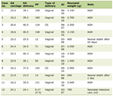 Click to view | Table 1. Baseline Patient and Hernia Characteristics |
Operative characteristics
Operative duration varied significantly across operative approaches (P < 0.001). Mean operative time was 77.31 ± 24.28 min for Lichtenstein repair, 88.78 ± 26.38 min for TAPP, and 60.26 ± 17.65 min for TEP. Median operative times demonstrated a similar distributional pattern, with median durations of 72.5 min (IQR 60.0–95.0), 90.0 min (IQR 70.0–105.0), and 60.0 min (IQR 45.0–65.0), respectively (Table 2).
Click to view | Table 2. Operative Characteristics |
Postoperative recovery outcomes
Postoperative LOS was available for 292 of 298 patients, including 112 undergoing Lichtenstein repair, 80 undergoing TAPP repair, and 100 undergoing TEP repair. Mean LOS differed significantly among the three groups (P < 0.001), with the longest hospitalization observed after Lichtenstein repair (7.25 ± 2.55 days), followed by TAPP (5.81 ± 1.84 days) and TEP (4.70 ± 1.28 days). Median LOS was 7.0 days (IQR 6.0–8.0), 6.0 days (IQR 4.8–7.0), and 5.0 days (IQR 4.0–5.0), respectively.
The interval from surgery to resumption of work was recorded exclusively for the 100 TEP patients treated at NAFG Hospital. The mean recovery interval was 17.37 ± 7.39 days, with a median of 14.0 days (IQR 11.8–22.0). This outcome was summarized descriptively because comparable measurements were unavailable for the Lichtenstein and TAPP groups (Table 3).
Click to view | Table 3. Postoperative Recovery Outcomes |
Data completeness and follow-up availability
Operative time was available for 284 of 298 patients (108/115 Lichtenstein, 76/83 TAPP, and 100/100 TEP), and postoperative LOS was available for 292 of 298 (112/115, 80/83, and 100/100, respectively). Postoperative pain, the recorded recovery interval, and longitudinal observations were available only in the TEP cohort. Follow-up observations were available for 100/100 TEP patients (100%) at 1 month, 70/100 (70%) at 6 months, 59/100 (59%) at 12 months, and 28/100 (28%) at 24 months. These proportions indicate observation availability and do not represent event-free survival or clinical success (Table 4).
Click to view | Table 4. Outcome Availability According to Operative Approach |
Association between operative approach and postoperative hospitalization
In unadjusted analyses, both laparoscopic cohorts were associated with shorter postoperative hospitalization compared with Lichtenstein repair. After adjustment for age, these associations remained directionally unchanged. Compared with Lichtenstein repair, TAPP was associated with a 1.30-day shorter postoperative stay (95% confidence interval (CI) −1.89 to −0.71; P < 0.001), whereas TEP was associated with a 2.30-day shorter stay (95% CI −2.81 to −1.80; P < 0.001). Because operative approach and participating center were partially collinear, a sensitivity analysis restricted to VTF Hospital was performed. Within this single-center comparison, TAPP remained associated with shorter postoperative hospitalization than Lichtenstein repair after age adjustment (β = −1.25 days, 95% CI −1.83 to −0.68; P < 0.001) (Table 5).
Click to view | Table 5. Robust Linear Regression Analyses for Postoperative Length of Stay |
| Discussion | ▴Top |
The principal finding of this two-center retrospective cohort study was that postoperative LOS differed significantly among patients undergoing Lichtenstein, TAPP, and TEP repair in routine clinical practice. Both laparoscopic groups had shorter observed hospital stays than the open Lichtenstein group. Importantly, the age-adjusted within-center analysis at VTF Hospital demonstrated that TAPP was associated with a 1.25-day shorter LOS than Lichtenstein repair (95% CI −1.83 to −0.68). This comparison provided a more interpretable assessment than the three-group analysis because both procedures were performed at the same institution, although the observational design precludes causal inference.
The shorter postoperative hospitalization observed among laparoscopic patients is consistent with previous randomized trials, systematic reviews, and international guidelines reporting potential recovery advantages of minimally invasive inguinal hernia repair [1–7]. Reduced anterior tissue dissection, lower surgical trauma, and earlier mobilization have been proposed as contributing mechanisms [3, 4, 7]. Additionally, laparoscopic posterior approaches facilitate visualization of the myopectineal orifice and management of bilateral or recurrent hernias [1, 2, 6]. However, these mechanisms were not directly evaluated in the present study. Although LOS provides an objective measure of hospitalization, it does not independently establish faster functional recovery or superior long-term outcomes [8, 11].
Interpretation of these findings requires consideration of the institutional distribution of surgical techniques. All TEP procedures were performed at NAFG Hospital, whereas TAPP and Lichtenstein repairs were undertaken at VTF Hospital. Although both institutions applied identical LOS calculation conventions and clinical discharge criteria, differences in patient selection, surgeon experience, perioperative management, and institutional workflows may have influenced the observed outcomes. Consequently, the shorter LOS in the TEP group cannot be attributed to surgical technique alone. The within-center comparison of TAPP and Lichtenstein reduced between-hospital heterogeneity, but age adjustment did not fully account for operative indications, case complexity, or surgeon preferences. Residual confounding and treatment-selection bias therefore remain important considerations.
Operative time also differed among surgical approaches, with the shortest mean duration observed in the TEP group and the longest in the TAPP group. These findings should be interpreted descriptively rather than as evidence of differences in technical efficiency. Operative duration may reflect case complexity, surgeon experience, anesthesia procedures, and operating room workflows. Because TEP was performed exclusively at one institution, its shorter operative time cannot be separated from potential center-related influences [6, 10, 15].
This study provides evidence from routine surgical practice in Vietnam, where different mesh-based approaches are used across tertiary hospitals. Its strengths include the inclusion of three commonly performed techniques, transparent reporting of outcome availability, and an age-adjusted within-center comparison of TAPP and Lichtenstein. Nevertheless, several limitations warrant consideration. The retrospective design introduced potential selection bias and residual confounding, while incomplete availability of clinical covariates limited adjustment for differences in baseline risk and operative complexity. Early-complication documentation was insufficient for reliable comparisons of complication incidence. Furthermore, postoperative pain, return-to-work time, and longitudinal follow-up observations were available only in the TEP group, preventing meaningful between-group comparisons of these outcomes. Follow-up observation availability also declined over time, potentially introducing attrition bias. Importantly, the presence of a follow-up observation should not be interpreted as evidence of freedom from recurrence or other adverse outcomes.
The study did not measure hospital bed utilization, patient throughput, or direct and indirect healthcare costs. Whether shorter observed hospitalization translates into improved bed availability, greater service capacity, or economic benefits therefore remains uncertain. Future prospective studies should evaluate these outcomes alongside postoperative recovery rather than assuming health-system benefits from LOS differences alone.
Further research involving multiple centers with overlapping surgical techniques is needed to better distinguish operative approach from institutional influences. Prospective studies should incorporate harmonized perioperative assessments, standardized documentation of discharge decisions, and consistent longitudinal follow-up. Evaluation of postoperative pain, return-to-work time, complications, recurrence, patient-reported outcomes, and healthcare resource utilization would provide a more comprehensive understanding of the clinical and health-system implications of mesh-based inguinal hernia repair [11, 12, 16–19].
Conclusion
In this two-center retrospective cohort, TAPP was associated with shorter postoperative hospital LOS than Lichtenstein at the center where both techniques were performed, including after age adjustment. TEP had a shorter observed LOS in the three-group comparison, but its single-center origin does not allow technique and center effects to be separated. Prospective studies with harmonized discharge criteria and follow-up are needed to evaluate perioperative recovery and longer-term outcomes.
Acknowledgments
None to declare.
Financial Disclosure
None to declare.
Conflict of Interest
The authors have declared that no competing interests exist.
Informed Consent
Written informed consent was waived.
Author Contributions
NHD: conceptualization, methodology, investigation, validation, and writing – original draft. DVC: methodology, validation, and writing – review and editing. DMT: project administration, formal analysis, investigation and data curation, writing – original draft, writing – review and editing. TVTV: formal analysis, visualization, writing – original draft, writing – review and editing. DTNA: investigation, data curation, and validation. PVT: conceptualization, supervision, methodology, validation, and writing – review and editing. All authors read and approved the final manuscript.
Data Availability
The data supporting the findings of this study are available from the corresponding author upon reasonable request.
Abbreviations
CI: confidence interval; IQR: interquartile range; LOS: length of stay; SD: standard deviation; TAPP: transabdominal preperitoneal; TEP: totally extraperitoneal
| References | ▴Top |
- Stabilini C, van Veenendaal N, Aasvang E, Agresta F, Aufenacker T, Berrevoet F, Burgmans I, et al. Update of the international HerniaSurge guidelines for groin hernia management. BJS Open. 2023;7(5).
doi pubmed - HerniaSurge G. International guidelines for groin hernia management. Hernia. 2018;22(1):1-165.
doi pubmed - Haladu N, Alabi A, Brazzelli M, Imamura M, Ahmed I, Ramsay G, Scott NW. Open versus laparoscopic repair of inguinal hernia: an overview of systematic reviews of randomised controlled trials. Surg Endosc. 2022;36(7):4685-4700.
doi pubmed - Aiolfi A, Cavalli M, Ferraro SD, Manfredini L, Bonitta G, Bruni PG, Bona D, et al. Treatment of inguinal hernia: systematic review and updated network meta-analysis of randomized controlled trials. Ann Surg. 2021;274(6):954-961.
doi pubmed - Huerta S, Garza AM. A Systematic Review of Open, Laparoscopic, and Robotic Inguinal Hernia Repair: Management of Inguinal Hernias in the 21st Century. J Clin Med. 2025;14(3):990.
doi pubmed - Iossa A, Traumueller Tamagnini G, De Angelis F, Micalizzi A, Lelli G, Cavallaro G. TEP or TAPP: who, when, and how? Front Surg. 2024;11:1352196.
doi pubmed - Scheuermann U, Niebisch S, Lyros O, Jansen-Winkeln B, Gockel I. Transabdominal Preperitoneal (TAPP) versus Lichtenstein operation for primary inguinal hernia repair - A systematic review and meta-analysis of randomized controlled trials. BMC Surg. 2017;17(1):55.
doi pubmed - Garofil ND, Zurzu M, Bratucu MN, Paic V, Tigora A, Vladescu C, Badoiu S, et al. Laparoscopic vs. open-groin hernia repair in Romania-a populational study. J Clin Med. 2025;14(8):2834.
doi pubmed - Al-Sharabi A, Xu Y, Al-Danakh A, Xu Z, Al-Sharabi A, Kang H, Wen G, et al. Laparoscopic vs. open inguinal hernia repair outcomes in patients aged 65 years and older. Front Surg. 2025;12:1610358.
doi pubmed - Pokala B, Armijo PR, Flores L, Hennings D, Oleynikov D. Minimally invasive inguinal hernia repair is superior to open: a national database review. Hernia. 2019;23(3):593-599.
doi pubmed - Tatarian T, Nie L, McPartland C, Brown AM, Yang J, Altieri MS, Spaniolas K, et al. Comparative perioperative and 5-year outcomes of robotic and laparoscopic or open inguinal hernia repair: a study of 153,727 patients in the state of New York. Surg Endosc. 2021;35(12):7209-7218.
doi pubmed - Reinhorn M, Fullington N, Agarwal D, Olson MA, Ott L, Canavan A, Pate B, et al. Posterior mesh inguinal hernia repairs: a propensity score matched analysis of laparoscopic and robotic versus open approaches. Hernia. 2023;27(1):93-104.
doi pubmed - Matikainen M, Vironen JH, Silvasti S, Ilves I, Kossi J, Kivivuori A, Paajanen H. A randomized clinical trial comparing early patient-reported pain after open anterior mesh repair versus totally extraperitoneal repair of inguinal hernia. Br J Surg. 2021;108(12):1433-1437.
doi pubmed - von Elm E, Altman DG, Egger M, Pocock SJ, Gotzsche PC, Vandenbroucke JP, Initiative S. Strengthening the Reporting of Observational Studies in Epidemiology (STROBE) statement: guidelines for reporting observational studies. BMJ. 2007;335(7624):806-808.
doi pubmed - Albrecht HC, Trawa M, Zimniak L, Adolf D, Kockerling F, Gretschel S. Long-term outcomes of Lichtenstein and laparoscopic primary unilateral inguinal hernia repair: registry-based propensity score-matched analysis. BJS Open. 2026;10(1).
doi pubmed - Varvoglis DN, Sanchez-Casalongue M, Olson MA, DeAngelo N, Garbarine I, Lipman J, Farrell TM, et al. Comparison of post-operative outcomes of large direct inguinal hernia repairs based on operative approach (open vs. laparoscopic vs. robotic) using the ACHQC (Abdominal Core Health Quality Collaborative) database. Surg Endosc. 2023;37(4):2923-2931.
doi pubmed - LeBlanc K, Dickens E, Gonzalez A, Gamagami R, Pierce R, Balentine C, Voeller G, et al. Prospective, multicenter, pairwise analysis of robotic-assisted inguinal hernia repair with open and laparoscopic inguinal hernia repair: early results from the Prospective Hernia Study. Hernia. 2020;24(5):1069-1081.
doi pubmed - Miller BT, Prabhu AS, Petro CC, Beffa LRA, Carbonell AM, Hope W, Warren J, et al. Laparoscopic versus robotic inguinal hernia repair: 1- and 2-year outcomes from the RIVAL trial. Surg Endosc. 2023;37(1):723-728.
doi pubmed - Li X, Li YJ, Dong H, Wang DC, Wei J. Meta-analysis of the effectiveness and safety of robotic-assisted versus laparoscopic transabdominal preperitoneal repair for inguinal hernia. PLoS One. 2024;19(2):e0298989.
doi pubmed
This article is distributed under the terms of the Creative Commons Attribution 4.0 International License (CC BY 4.0), which permits unrestricted use, distribution, and reproduction in any medium, including commercial use, provided the original work is properly cited.
Journal of Clinical Medicine Research is published by Elmer Press Inc.