Journal of Clinical Medicine Research, ISSN 1918-3003 print, 1918-3011 online, Open Access
Article copyright, the authors; Journal compilation copyright, J Clin Med Res and Elmer Press Inc
Journal website https://jocmr.elmerjournals.com

Review

Volume 18, Number 7, July 2026, pages 437-448


Circadian Rhythms in Colorectal Cancer: Recent Advances in Development and Treatment

Figures

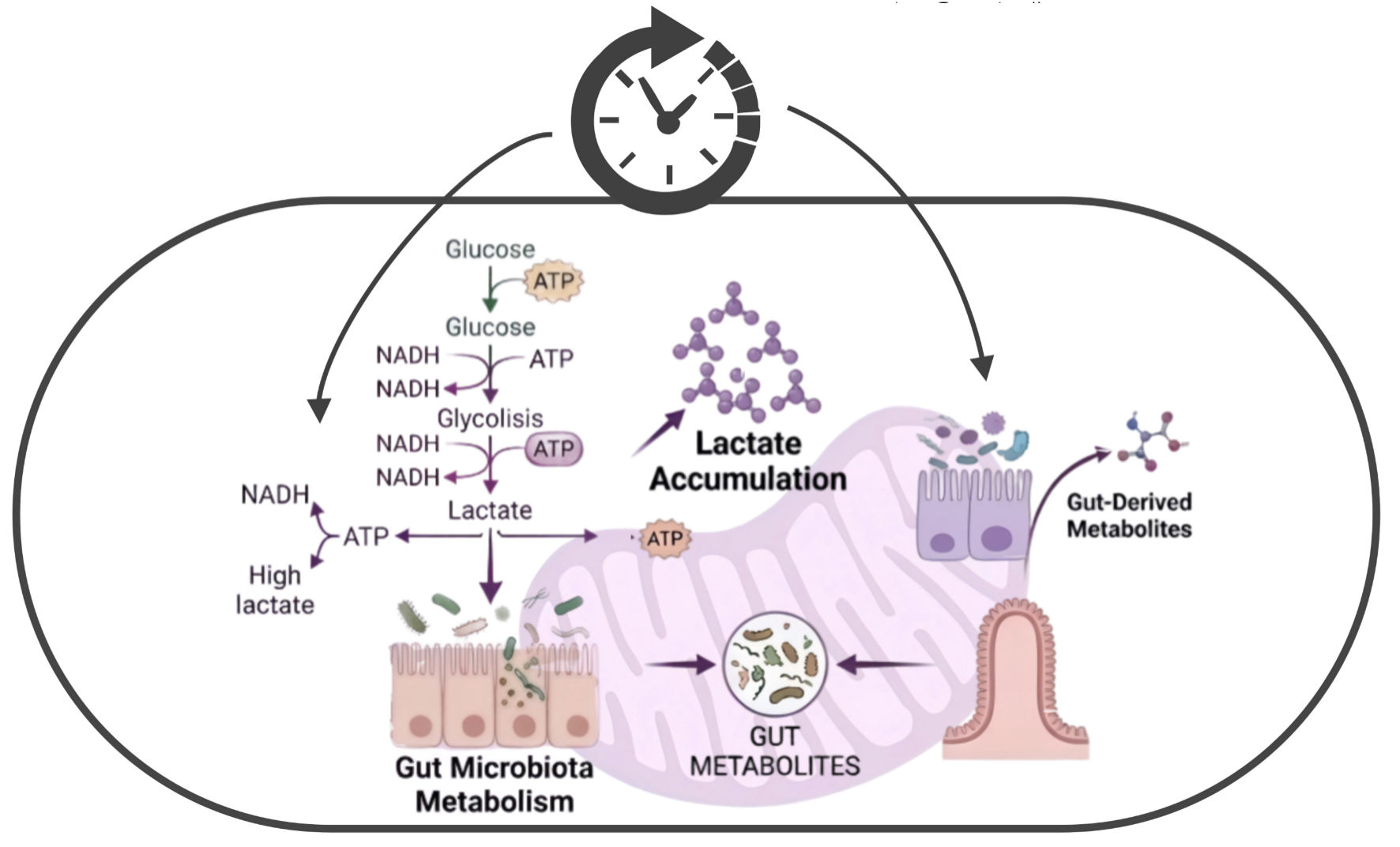
↓  Figure 1. Circadian disruption drives metabolic reprogramming in the CRC TME. Overview of the glycolysis/lactate accumulation pathway driven by BMAL1/PER2 loss, highlighting the suppression of CD8+ T cells and promotion of MDSCs. CRC: colorectal cancer; TME: tumor microenvironment; MDSCs: myeloid-derived suppressor cells. BMAL1: brain and muscle ARNT like 1; CRC: colorectal cancer; NADH: reduced nicotinamide adenine dinucleotide; ATP: adenosine triphosphate.
Figure 1.
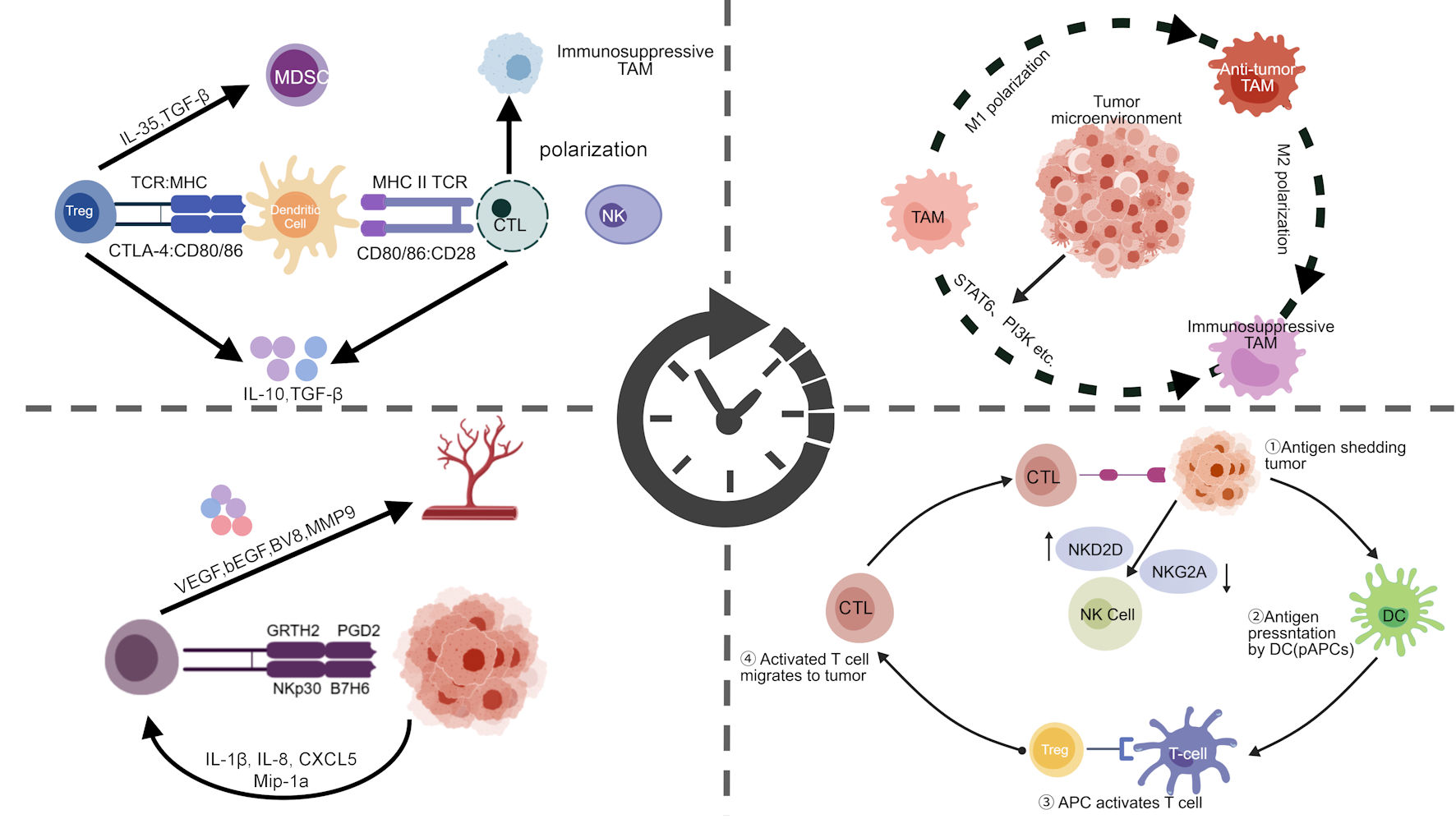
↓  Figure 2. Circadian regulation of the immune microenvironment and its impact on CRC. Schematic of circadian-regulated PD-L1+ MDSC abundance and CD8+ T cell infiltration, showing the temporal window for anti-PD-L1 therapy. PD-L1: programmed death ligand 1; anti-PD-L1: anti programmed death ligand 1 antibody; CRC: colorectal cancer; TAM: tumor-associated macrophage; MDSC: myeloid-derived suppressor cell; IL: interleukin; VEGF: vascular endothelial growth factor; Treg: regulatory T cell; CTL: cytotoxic T lymphocyte; NK: natural killer cell.
Figure 2.
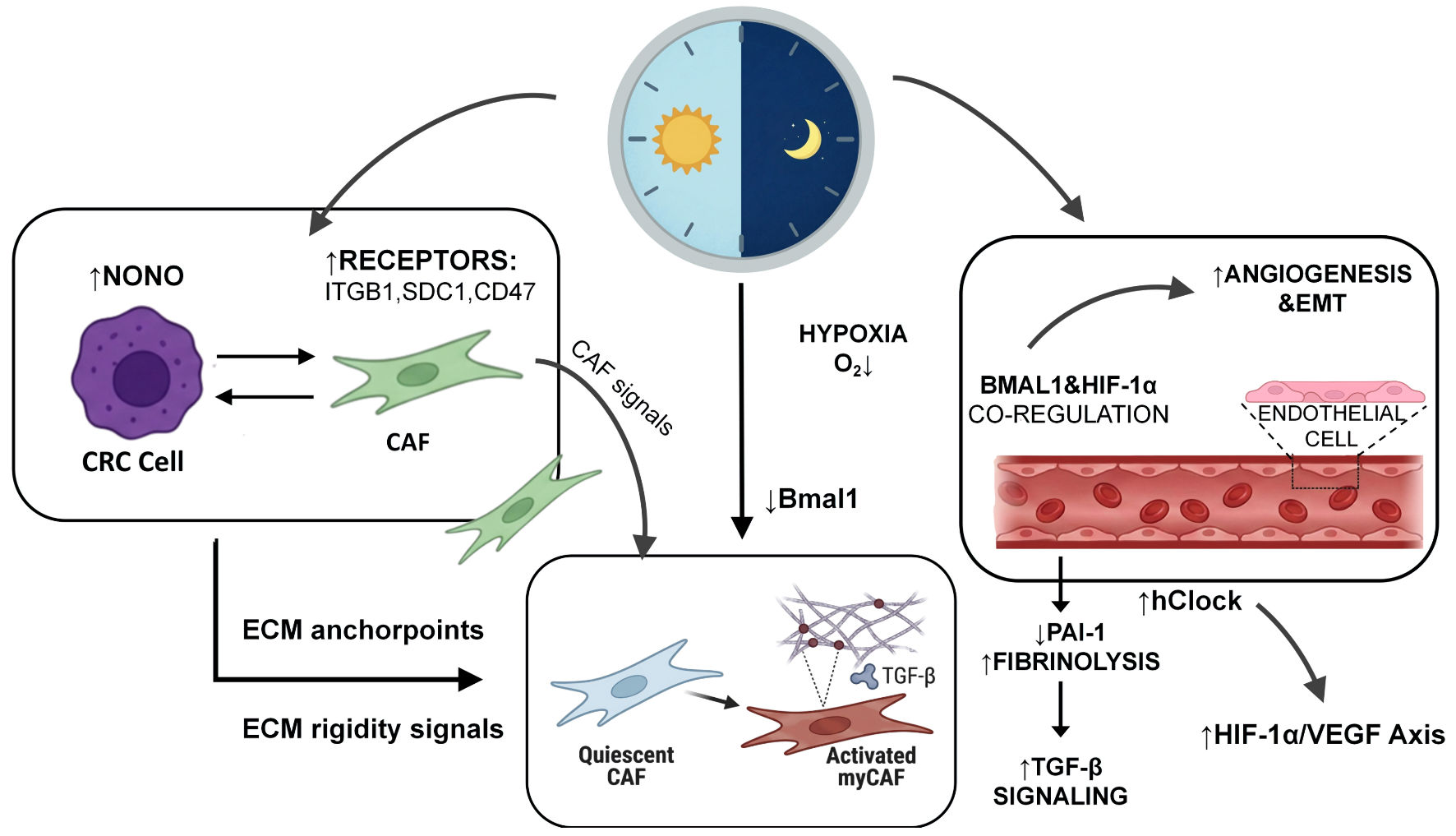
↓  Figure 3. Circadian control of the stromal-physical microenvironment in CRC. Illustration of NONO-mediated CAF reprogramming and the HIF-1α/BMAL1-driven VEGF oscillation affecting ECM remodeling. BMAL1: brain and muscle ARNT like 1; CAF: cancer associated fibroblast; CRC: colorectal cancer; HIF-1α: hypoxia inducible factor 1 alpha; NONO: non-POU domain-containing octamer-binding protein; VEGF: vascular endothelial growth factor; EMT: epithelial–mesenchymal transition; ECM: extracellular matrix; TGF-β: transforming growth factor beta.
Figure 3.

Tables

↓  Table 1. Circadian Regulation of the Tumor Microenvironment in Colorectal Cancer
 
TME compartmentKey molecules/pathwaysCells involvedRoleMechanismReferences
PD-L1: programmed death ligand 1; BMAL1: brain and muscle ARNT like 1; CAF: cancer associated fibroblast; HIF-1α: hypoxia inducible factor 1 alpha; integrin beta 1; NONO: non-POU domain-containing octamer-binding protein; PAI-1: plasminogen activator inhibitor 1; SCFA: short-chain fatty acid; SDC1: syndecan-1; TAM: tumor-associated macrophage; TGF-β: transforming growth factor beta; TME: tumor microenvironment; Treg: regulatory T cell; VEGF: vascular endothelial growth factor; EMT: epithelial–mesenchymal transition; IL: interleukin.
Metabolic microenvironmentMYC/HIF-1αTumor cellsPromotes glycolysis, lactate productionLoss of clock genes (BMAL1/PER2/CRY2) activates this signaling axis.[24, 27, 28]
LactateCD8+ T, MDSC, TAMSuppresses CD8+ T-cell activity; promotes MDSC/TAM immunosuppressive phenotypesLactate serves as a signaling molecule that directly modulates immune cell function.[29, 30]
Taurocholic acid (TCA)MDSCEnhances MDSC glycolysis; stabilizes PD-L1 expressionCircadian disruption → microbial metabolite accumulation → epigenetic glycolysis enhancement + PD-L1 ubiquitination inhibition[31]
Immune microenvironmentPD-L1+ MDSCMDSCForms immunosuppressive nicheCircadian disruption → altered epithelial clock → local cytokine changes → increased MDSC and neutrophil recruitment[32]
CD8+ T cellsCD8+ T cellsAntitumor immune exhaustionCircadian disruption reduces infiltration and cytotoxicity; endothelial cells mediate oscillation[33]
Macrophages (M1/M2)MacrophagesPhagocytosis, secretion, polarization fluctuate dailySubject to phase-dependent circadian regulation.[35, 36]
SCFAs, BAsCD8+ T, Treg, TAM, MDSCRegulate immune cell function; affect vascular remodelingCircadian disruption → altered gut microbiota metabolites → immune cell remodeling[37]
TGF-β, IL-6CAFs, endothelial cellsActivate CAFs and promote myofibroblast phenotype; stimulate angiogenesisImmune cells release TGF-β/IL-6 → CAF activation + angiogenesis, linking immune and stromal compartments[26, 40]
Stromal microenvironmentNONO, ITGB1, SDC1, CD47Tumor cells, CAFsEnhance tumor cell receptivity to CAF-derived signals, promoting invasion and metastasisNONO upregulates receptor expression, sensitizing tumor cells to TENASCIN/THBS pathways[41]
VEGF, HIF-1α, BMAL1, hClockEndothelial cells, tumor cellsPromote angiogenesis, induce EMT, facilitate metastasisHIF-1α and BMAL1 cooperatively drive rhythmic VEGF expression; hClock activates this axis[42, 43]
PAI-1, TGF-β, collagenCAFs, tumor cellsRegulate ECM fibrosis and stiffness, promote invasionBmal1 loss → PAI-1↓ → fibrinolysis↑ → TGF-β activation → myCAF phenotype + fibrosis[44]
HIF-1α, BMAL1Tumor cells, stromal cellsForm a hypoxia-positive feedback loop, sustaining pro-tumor microenvironmentHIF-1α and BMAL1 share overlapping genomic targets; hypoxic signaling in turn dampens circadian rhythmicity, thereby establishing a positive feedback loop[46]


↓  Table 2. Clinical Evidence of Chronotherapeutic and Circadian-Based Interventions in Colorectal Cancer
 
Cancer type/stageInterventionIntervention group (summary)Control group (summary)Key significant differences (intervention vs control)References
RR: risk ratio; CI: confidence interval; HR: hazard ratio; CBT: cognitive behavioral therapy; chronoFLO4: chronomodulated floxuridine-based 4-day regimen; CRC: colorectal cancer; FOLFOX: folinic acid + fluorouracil + oxaliplatin; LARC: locally advanced rectal cancer; mCRC: metastatic colorectal cancer; PFS: progression-free survival; TRE: time-restricted eating.
mCRC, stage IVChronomodulated chemotherapyChemotherapy infusion timed to circadian peaks (e.g., oxaliplatin, 5-FU)Conventional constant-rate infusion (without chronomodulation)Significantly reduced hematological toxicity (RR = 0.36; 95% CI, 0.27–0.48); objective response rate increased from 29% to 51% (P = 0.003)[68]
Chronomodulated FOLFOXChronoFLO4 regimen (4-day chronomodulated infusion)FOLFOX2 regimen (2-day conventional infusion)Significant benefit in males (HR = 0.75, P = 0.02), opposite effect in females (HR = 1.38, P = 0.03); overall survival comparable[69]
Chronomodulated chemotherapy + oxaliplatinChronomodulated 5-FU + leucovorin + oxaliplatinChronomodulated 5-FU + leucovorin (without oxaliplatin)Objective response rate increased from 16% to 53% (P < 0.001); median PFS extended from 6.1 to 8.7 months (P = 0.048)[70]
Chronomodulated Chemotherapy + IrinotecanChronomodulated irinotecan infusion (peak at one of six different circadian time points) + fixed-schedule chronomodulated FOLFOXSame regimen at different circadian time pointsSignificant sex differences (P < 0.05): morning administration recommended for males, afternoon for females[46]
Chronomodulated chemoradiotherapyChronomodulated concurrent chemoradiotherapy (radiation and chemotherapy timed according to circadian rhythms)Conventional-timing chemoradiotherapyTrends toward improvement in certain parameters; requires validation in larger studies[23]
Melatonin adjuvant therapyMelatonin supplementation (standard dose, evening administration)Placebo or no supplementation23–41% reduction in CRC risk among shift workers; 53% reduction in radiotherapy-associated oral mucositis[71]
Locally advanced rectal cancer (LARC, stages II–III)Circadian rhythm and dietary interventionStable circadian rhythm + high dietary polyphenol intakeStandard careCircadian rhythm stability and high dietary polyphenol intake associated with improved neoadjuvant therapy response[72]
Perioperative multicomponent behavioral interventionMulticomponent behavioral program targeting circadian rhythm and gut–brain axisStandard careAssociated with improvements in neuroimmune features and symptom outcomes[73]
Chronomodulated chemoradiotherapyChronomodulated chemoradiotherapy regimen (radiation timed according to circadian rhythm)Conventional chemoradiotherapyFaster recovery of peripheral blood white blood cell counts; fewer treatment delays; trend toward improved local control[74]
Postoperative/adjuvant therapy and survivors (stages I–III)Integrated sleep and psychological interventionSleep hygiene education + relaxation training + stimulus control + CBTStandard oncological careSignificantly improved postoperative recovery and quality of life[75]
Behavioral activationBehavioral activation intervention targeting sleep disordersStandard careSignificantly improved sleep disturbances, quality of life, and psychological distress (P < 0.05)[66]
Circadian eating pattern interventionAdjusted eating time windows and meal frequencyConventional eating patternLonger energy intake window associated with less fatigue (P < 0.05)[76]
High-risk populations (obesity/early-onset CRC)TRE8-h TRE (12:00 pm–8:00 pm)Daily 25% calorie restriction or control groupOngoing trial: assessing weight loss, metabolic improvement, and CRC risk reduction[23]
TRE + mindfulness intervention8-week remote TRE (12:00 pm–8:00 pm) + mindfulness sessionsStandard careGood feasibility and acceptability, providing basis for larger-scale trials[4]