| Journal of Clinical Medicine Research, ISSN 1918-3003 print, 1918-3011 online, Open Access |
| Article copyright, the authors; Journal compilation copyright, J Clin Med Res and Elmer Press Inc |
| Journal website https://jocmr.elmerjournals.com |
Original Article
Volume 18, Number 2, February 2026, pages 63-74

Risk Factors for Adverse Outcomes in Cancer Patients With Sepsis
Christopher Popea, Priscilla Ahwinb, Nikhil Kotab, Ann
Palathingala, Jason Pengb, Harshini Sureshb, Subhadra
Thampib, Krystal Hunterb, Satyajeet Roya, b, c 
aDepartment of Medicine, Cooper University Health Care, Camden, NJ,
USA
bCooper Medical School of Rowan University, Camden, NJ,
USA
cCorresponding Author: Satyajeet Roy, Department of Medicine, Cooper
University Health Care, Camden, NJ, USA
Manuscript submitted November 27, 2025, accepted February 21, 2026, published online February 28,
2026
Short title: Sepsis in Patients With Cancer
doi:
https://doi.org/10.14740/jocmr6455
| Abstract | ▴Top |
Background: Cancer and its various treatment modalities increase susceptibility to the development of sepsis. Because of the complex relationship between sepsis and cancer, we aimed to study the differences in risk factors and outcomes of sepsis in patients with cancer (SCa) compared to patients without cancer (SnoCa).
Methods: A retrospective cohort analysis of all adult patients who received care for sepsis in an urban tertiary healthcare center was conducted. Risk factors and outcomes were compared between the SCa and SnoCa groups.
Results: SCa group (n = 310) was older than SnoCa group (n = 628) (66.8 vs. 61.5 years; P < 0.01). There were higher associations of certain variables in the SCa group compared to the SnoCa group, such as male sex (55.8% vs. 48.2%; P = 0.03), White race (60.6% vs. 51.7%; P = 0.01), lower body mass index (BMI) (28.10 ± 9.3 vs. 30.02 ± 10.4 kg/m2; P = 0.01), and history of transient ischemic attack (TIA) (6.1% vs. 2.7%; P = 0.01). Conversely, there were lower associations of recreational drug use (10.0% vs. 17.0%; P = 0.01) and diabetes mellitus (DM) (35.9% vs. 45.9%; P = 0.01). Simple linear regression found that the SCa group had lower length of stay (LOS) (β = –0.08; P = 0.03). Logistic regression model showed that having cancer increased odds of all-cause mortality (odds ratio (OR) 1.82, 95% confidence interval (CI) 1.35–2.46; P < 0.01); however, the SCa group had comparable readmission rates, bloodstream infection, and in-hospital mortality.
Conclusion: Compared to patients with sepsis without cancer, patients with sepsis and cancer have higher association with older age, male sex, White race, lower BMI, and TIA, and lower association with recreational drug use and DM. Patients with sepsis and cancer have lower LOS, higher all-cause mortality and have no difference in readmissions, bloodstream infections, and in-hospital mortality.
Keywords: Sepsis; Cancer and sepsis; Cancer outcome; Cancer length of stay; Sepsis mortality
| Introduction | ▴Top |
Sepsis is a dysregulated host response to infection resulting in organ dysfunction. It affects 50 million people and accounted for 20% of deaths worldwide prior to the COVID-19 pandemic [1]. Cancer and its various treatment modalities, including chemotherapy, radiation therapy, and immunotherapy, increase susceptibility to the development of sepsis. Historically, cancer patients are 10 times more likely to develop sepsis than the general population [2]. Furthermore, an epidemiological study found that of the 1.1 million sepsis-related hospitalizations in the United States, over 230,000 were admissions among cancer patients. This means that cancer patients comprise more than 20% of patients hospitalized for sepsis [3]. Of those cancer patients hospitalized with sepsis, 63.4% had solid tumors, 18.4% had hematologic malignancies, and the remainder were unknown [3]. Cancer patients are also more likely to experience adverse outcomes secondary to sepsis, specifically increased mortality rates. Compared to sepsis patients without cancer, sepsis patients with cancer have a significantly higher in-hospital mortality rate [3]. Some studies estimate that approximately 30% of deaths in cancer patients are due to sepsis [4]. Based on subtypes, hematologic mortality rate is higher than solid tumor mortality rate though this number has been declining over the years [5]. One prospective meta-analysis also showed significant increase in mortality rate in cancer patients, specifically a significant increase in late mortality but not early mortality [6]. Another study that examined cancer patients admitted to several European intensive care units (ICU) found that their 30-day mortality was as high as 40%. Use of mechanical ventilation and vasopressors in these patients was associated with increased risk for 30-day mortality. However, type of cancer, stem cell transplant status, and presence or absence of neutropenia did not significantly affect the 30-day mortality [7]. A meta-analysis of nine studies between 2015 and 2021 showed that the presence of comorbid lung or renal disease in cancer patients significantly increased mortality [6]. Delirium also leads to significant increase in mortality in critically ill patients with cancer [8]. Although the current literature clearly demonstrates an increased mortality rate among patients with sepsis who had cancer compared to those without cancer, there are limited data on specific risk factors or comorbidities that may contribute to the increased incidence of sepsis in cancer patients. Furthermore, studies focused on additional inpatient outcomes, such as in-hospital versus all-cause mortality, length of stay (LOS), readmission rates, and transition to palliative care are limited. Because of the significant and complex relationship between sepsis and cancer, we conducted this hypothesis generating study, and aimed to identify the risk factors and comorbidities among cancer patients with sepsis (SCa), as well as investigated multiple outcomes for sepsis, such as the rates of in-hospital mortality, all-cause mortality, hospital LOS, hospital readmission, palliative care, and bloodstream infection in cancer patients with sepsis compared to patients with sepsis who did not have cancer (SnoCa).
| Materials and Methods | ▴Top |
Study design and setting
Our study was a retrospective, cohort analytic study that utilized convenience sampling of the existing electronic medical records of an entire cohort of adult patients with sepsis who received care in an urban non-profit tertiary healthcare system.
Participants
The inclusion criteria of our study were patients aged 18 years and older who had received in-hospital care for sepsis between January 1, 2023, and June 30, 2023. Sepsis was defined as per the Sepsis-3 consensus as life-threatening organ dysfunction caused by a dysregulated host response to infection in which the life-threatening acute organ dysfunction was identified by an increase in the total Sequential (Sepsis-related) Organ Failure Assessment Score (SOFA) of 2 points or more [9]. The exclusion criteria of our study were patients younger than 18 years of age and patients without a diagnosis of sepsis.
Variables
Data collection included patient demographics, laboratory values, comorbid medical conditions, types of cancers in patients who had a history of cancer, types of treatment for cancer, and outcomes, such as in-hospital mortality, all-cause mortality, hospital LOS, hospital readmission, and bloodstream infection. We utilized Microsoft Excel (2016, Redmond, Washington, USA) spreadsheet to record all the data.
Data source and access
This study was reviewed and approved by the Institutional Review Board (IRB) of our healthcare system, who granted authorization to collect data for research purposes only. Our study met international ethical guidelines and was performed in accordance with the Declaration of Helsinki. All investigators had full access to the data available only in the electronic medical records (Epic healthcare software, Epic Systems Corporation, Wisconsin, USA) of the list of patients approved by the medical informatics department, who were selected based on the inclusion criteria of the study. Being a retrospective data collection, informed consents were not required.
Bias
In order to minimize potential confounders and ensure accurate identification of the diagnosis of sepsis, we carefully reviewed each medical record and excluded patients who presented with a wide range of noninfectious disorders which could mimic sepsis and were documented as “suspected sepsis” due to their presentation with similar clinical features such as fever, tachycardia, hypotension, and organ dysfunction. Such cases presented as acute heart failure and myocardial infarction with shock and organ dysfunction; or acute pulmonary embolism with hypoxemia and hypotension; or acute pancreatitis and gastrointestinal hemorrhage accompanied with systemic inflammatory response syndrome (SIRS) criteria and organ dysfunction; or acute thyroid storm, adrenal insufficiency, and diabetic ketoacidosis; or certain drug reactions and toxicities that presented with neuroleptic malignant syndrome, malignant hyperthermia, medication toxicity, and withdrawal syndromes; or acute episode of inflammatory vasculitis and autoimmune diseases that presented with fever, hypotension, and multiorgan involvement; or major trauma and hemorrhage which presented with shock and SIRS without infection.
Study size
We selected the entire cohort of 1,001 adult patients with a diagnosis of sepsis who received care in our healthcare system within the study period. Upon further review, we found 938 patient records that had accurate and consistent documentation of sepsis and additional study variables. Hence, we included 938 patients.
Statistical methods
We divided our cohort of patients into two groups: SCa and SnoCa. Statistical methods used for the study were independent t-test, Mann-Whitney U test, and Chi-square test. We used linear regression and logistic regression for modeling. The outcome analyzed using the linear regression was LOS, which was log-transformed due to a high level of skewness. The outcomes examined using the logistic regression were readmissions, bloodstream infections, and mortality (in-hospital and all-cause). The explanatory variables used were demographics, lifestyle habits, and morbidities. For the models, we consolidated different comorbidities into systemic groups, such as cardiovascular disorder group which included cerebrovascular accidents (CVAs), transient ischemic attack (TIA), peripheral arterial disease (PAD), hyperlipidemia, atrial fibrillation (Afib), coronary artery disease (CAD), heart failure with reduced ejection fraction (HFrEF), and heart failure with preserved ejection fraction (HFpEF); rheumatological disorder group which included systemic lupus erythematosus (SLE), rheumatoid arthritis (RA), mixed connective tissue disease (MCTD), Sjogren’s syndrome, vasculitis, and systemic sclerosis; respiratory disorder group which included chronic obstructive pulmonary disease (COPD), asthma, and obstructive sleep apnea (OSA); immunodeficiency disorder group which included human immunodeficiency virus infection (HIV), acquired immunodeficiency disorders, and common variable immunodeficiency disorder (CVID); and gastrointestinal disorder group which included gastroesophageal reflux disorder (GERD) and inflammatory bowel disease (IBD). We used SPSS 27 (Statistical Package for Social Sciences, version 27, IBM, Armonk, New York, USA) software for statistical analysis. The significance level was defined as P < 0.05.
| Results | ▴Top |
A total of 938 patients were included in this study. There were 310 (33.0%) patients in the SCa group and 628 (67.0%) in the SnoCa group (Table 1). The mean age of the SCa group was significantly older compared to the SnoCa group (66.8 ± 13.6 vs. 61.5 ± 16.1 years; P < 0.01). There were more men in the SCa group compared to the SnoCa group (55.8% vs. 48.2%; P = 0.029). Most patients in both groups identified as White; however, there were more patients who identified as Black in the SCa group compared to the SnoCa group (29.0% vs. 27.9%; P < 0.01), while there were more patients who identified as Hispanic in the SnoCa group compared to the SCa group (15.2% vs. 6.8%; P < 0.01). There were no significant differences in the use of tobacco products and alcohol between the two groups. Use of recreational drugs was significantly higher in the SnoCa group compared to the SCa group (17.0% vs. 10.0%; P = 0.01). Average body mass index (BMI) was significantly higher in the SnoCa group compared to the SCa group (30.0 ± 10.4 vs. 28.1 ± 9.3 kg/m2; P = 0.01) (Table 1). Laboratory values, such as median white blood cell count, mean hemoglobin, median platelet count, median D-dimer, median prothrombin time, median activated partial thromboplastin time, and median lactate dehydrogenase showed no significant differences between the two groups (Table 1).
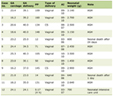 Click to view |
Table 1. Baseline Characteristics |
We found a significantly higher frequency of TIA in the SCa group compared to the SnoCa group (6.1% vs. 2.7%; P = 0.01), and a higher frequency of diabetes mellitus (DM) in the SnoCa group compared to the SCa group (45.9% vs. 35.9%; P = 0.01). For the remaining comorbidities, there were no significant differences between the two groups (Table 1). In the SCa group, the three cancers with the highest frequencies were lung cancer (16.8%), colorectal cancer (11.6%), and breast cancer (9.4%) (Table 2). In the SCa group, 49.8% were previously treated with chemotherapy, 30% with radiotherapy, and 5.5% with hormonal therapy (Table 3).
Click to view |
Table 2. Types of Cancers in Patients With
Cancer and Sepsis |
Click to view |
Table 3. Cancer Treatment Modality in Patients
With Cancer and Sepsis |
A significantly greater percentage of patients in the SCa group were assigned to and received palliative care compared to SnoCa group (49.4% vs. 32.3%, P < 0.01) (Table 4). All-cause mortality was greater in the SCa group compared to the SnoCa group (66.1% vs. 53.2%, P < 0.01) (Table 4). Simple linear regression analysis showed that the SCa group had significantly lower hospital LOS (β = –0.08; P = 0.03) (Table 5). Logistic regression model showed that age, gender, race, BMI, alcohol or tobacco use, cardiovascular disorder, rheumatological disorder, respiratory disorder, immunodeficiency disorder, chronic kidney disease, and gastrointestinal disorder did not significantly affect LOS. Patients of older age had lower odds of readmission (odds ratio (OR) 0.98, 95% confidence interval (CI) 0.97–0.99; P < 0.01). Other comorbidities with greater odds of readmission included tobacco use (OR 1.42, 95% CI 1.04–1.93; P = 0.03), cardiovascular disorder (OR 1.83, 95% CI 1.24–2.70; P = 0.01), gastrointestinal disorder (OR 2.16, 95% CI 1.58–2.96; P < 0.01), and chronic kidney disease (OR 1.69, 95% CI 1.24–2.32; P = 0.01) (Table 6). Patients with elevated BMI had increased odds of bloodstream infection (OR 1.02, 95% CI 1.00–1.03; P = 0.02) (Table 7). Compared to patients who identified as White, patients who identified as Black had increased odds of in-hospital mortality (OR 1.90, 95% CI 1.38–2.62; P < 0.01) (Table 8) and all-cause mortality (OR 2.01, 95% CI 1.45–2.79; P < 0.01) (Table 9). Patients with chronic liver disease also had increased odds of in-hospital mortality as well (OR 1.58, 95% CI 1.10–2.26; P = 0.01) (Table 8). Patients with cancer had increased odds of all-cause mortality (OR 1.82, 95% CI 1.35–2.46; P < 0.01), as did patients with a respiratory disorder (OR 1.41, 95% CI 1.03–1.92; P = 0.03) (Table 9).
Click to view |
Table 4. Outcomes of Sepsis Patients With or
Without Cancer |
Click to view |
Table 5. Length of Stay in Patients With Cancer
and Sepsis |
Click to view |
Table 6. Influence of Risk Factors on
Readmissions |
Click to view |
Table 7. Influence of Risk Factors on
Bloodstream Infection |
Click to view |
Table 8. Influence of Risk Factors on
In-Hospital Mortality |
Click to view |
Table 9. Influence of Risk Factors on All-Cause
Mortality |
| Discussion | ▴Top |
In this study, we found that SCa patients were older compared to SnoCa patients. An epidemiological study reported that among patients hospitalized for sepsis, the mean age for patients with cancer was significantly higher than that of patients without cancer [5]. Another nationwide intensive care unit (ICU) cohort study also reported similar findings [10]. In both studies, the age differential was most highly pronounced in patients with solid tumors compared to those with hematologic malignancies. A retrospective cohort study correspondingly demonstrated that patients with solid tumors presented with sepsis at a significantly older age (age 67) than patients with hematologic malignancies (age 55) [11]. Our findings are consistent with the existing literature. Interestingly, we found that SCa patients of older age had lower odds of readmission. However, most literature had reported that SCa patients had higher odds of readmission, and that malignancy was an independent predictor of increased readmissions [12–15]. Our unique findings can be explained by increased rates of all-cause mortality and palliative care in the SCa group, which likely reduced the number of patients who were eligible for readmission. This finding is compatible with cohort studies that have shown that older patients with cancer and sepsis have increased in-hospital and short-term mortality and are more likely to transition to hospice services [10, 16]. Therefore, the decreased readmission rate in the SCa group does not reflect a lower rate of post-hospitalization complications, but rather decreased need for future readmissions.
We found that SCa patients were mostly men. In a study of patients with fever of unknown origin which was later identified to be due to malignancy, 56.5% of the patients were men [17]. In another study, out of all the cancer patients who developed sepsis, 53.3% of patients were men [18]. Another study reported that the incidence of sepsis within 1 year in cancer patients was greater in men [19]. Perhaps the prevalence of the types of cancers could explain why cancer patients with sepsis were most likely to be men. Based on these studies, association of sepsis in men with cancer could have been linked to the types of cancers, such as hematologic malignancies, which were more commonly seen in men [18]. While the National Comprehensive Cancer Network (NCCN) guidelines detail the increased risk of sepsis in patients with hematologic and solid malignancies, they do not comment on sex differences. However, the consistent finding across epidemiologic and clinical studies is that male sex is an independent risk factor for sepsis in cancer patients. The mechanisms underlying this disparity remain incompletely understood, but may involve biological, behavioral, and healthcare access factors.
The finding that SCa patients tended to be of White race contrasts with the previously reported literature, which reported a higher incidence of sepsis among non-White cancer patients [20–23]. However, epidemiologic studies utilizing the REGARDS cohort found that in community-dwelling cancer survivors, race had minimal to no impact in sepsis risk or incidence after cancer survival [20, 21]. Another study demonstrated that Native Americans diagnosed with cancer had a two-fold higher risk of sepsis compared with other ethnic groups, including Whites [22]. Additionally, one study reported that Black patients with cancer had the highest age adjusted risk of sepsis compared to American Indian or Alaskan Native, White, and Asian/Pacific Islander patients with cancer [23]. Several studies have also suggested how Black patients with cancer experience a higher incidence of sepsis and poorer outcomes due to delayed cancer treatment [20]. A possible explanation for the association in our study could be the fact that our healthcare system is affiliated with a multispecialty cancer care center, which falls within the geographic proximity of many cancer patients in our region, who happen to be mostly White individuals. Factors, such as access to care and regional population composition might have contributed to this finding in our study. More research is needed to further elucidate the impact of race on the association between various types of malignancies and sepsis.
Our study revealed that SCa patients had a lower BMI compared to the SnoCa group. Studies have reported that individuals with sepsis might have decreased BMI due to systemic inflammation promoting metabolic alterations that influence energy use and facilitate catabolism [24, 25]. However, individuals with cancer tend to have a decreased BMI due to cancer cachexia, which is a result of pro-inflammatory mechanisms, an alteration in hypothalamic appetite control, and symptoms of nausea, dysgeusia, and depression [26, 27]. Various studies have investigated the role of BMI in the context of sepsis and cancer individually and concurrently. One study showed that increased BMI was associated with an increased risk of sepsis [28]. Another study revealed that excess body fat is linked to increased risk of various cancers [29]. These results have clinical implications. While an increased BMI increases an individual’s risk of both sepsis and cancer individually, patients presenting with either sepsis or cancer who have an elevated BMI may counterintuitively benefit from their elevated BMI. A phenomenon, known as the “obesity paradox,” can be observed in both sepsis and cancer. The “obesity paradox” is an observation that patients with an elevated BMI have a protective effect compared to individuals with normal or lower BMIs [30]. Studies have reported that septic patients with a higher BMI had a lower risk of death [31, 32]. Proposed mechanisms suggest that elevated BMI modifies immune function by decreasing the risk of excessive inflammation [33]. Additionally, elevated adipose tissue might be beneficial in the setting of the catabolic strain caused by sepsis [34]. One meta-analysis reported that while high BMI was associated with increased mortality in specific cancers, obese patients with renal cell carcinoma, lung cancer, and melanoma interestingly had higher survival rates [35]. Underlying mechanisms thought to facilitate this include greater tolerance towards immunotherapy [36, 37]. Remarkably, amongst patients with both sepsis and cancer, elevated BMI has been reported to be associated with improved survival [30]. Thus, our findings align with the relationship between BMI, sepsis, and cancer.
In our study, patients with elevated BMI had increased odds of bloodstream infection. This finding has not been reported. Though obese and underweight people may be at higher risk of infections compared to those of normal BMI, some studies have reported that people with obesity were more likely to contract intra-abdominal infections and skin and soft tissue infections [38]. This is believed to be due to alterations in immune response and inflammation [38]. The innate and adaptive immune responses and cytokine production are affected by obesity [39]. Those who are overweight have higher risk of having diabetes and cardiovascular disease, which are known to influence the risk of infection, healing, and immunity [39]. Elevated BMI is associated with many comorbidities that are ultimately thought to alter pathophysiology in a way that increases risk of bloodstream infection [39].
The observed association between TIA and SCa patients appears to be a novel finding. While cancer is a well-established risk factor for ischemic stroke, studies directly linking sepsis to TIA are limited. Cancer creates a prothrombotic state through tumor-derived procoagulant mediators, systemic inflammation, and endothelial activation, predisposing to arterial and venous thromboembolism [40–44]. Biomarkers such as D-dimer, lactate dehydrogenase, and inflammatory cytokines are frequently elevated in cancer-related cerebrovascular events, supporting the role of hypercoagulability and microembolism in TIA and stroke [43–46]. Sepsis may compound these risks by driving endothelial injury, immune dysregulation, and coagulopathy, thereby creating conditions favorable for cerebral ischemia [43, 44, 47]. Endothelial dysfunction, reflected by increased soluble ICAM 1, VCAM 1, and thrombomodulin, is observed in cancer-related TIA and may be further exacerbated by sepsis [44–46]. Tumor derived extracellular vesicles have been implicated in cancer associated thrombosis through tissue factor independent pathways, and their levels correlate with D-dimer concentrations and stroke risk [48]. Likewise, conditions such as nonbacterial thrombotic endocarditis and paradoxical embolism, which are more prevalent in the setting of systemic inflammation, may provide alternative embolic sources in this patient group [48–50]. Taken together, the interplay of cancer associated with hypercoagulability, sepsis driven immune-thrombosis, and endothelial dysfunction provides a plausible explanation for the observed link. Having a history of TIA may indicate a broader bidirectional relationship between cerebrovascular disease and sepsis in cancer patients, as well as its association with worse outcomes.
In SCa patients, comorbidities with greater odds of readmission included tobacco usage, cardiovascular disorder, gastrointestinal disorder, and chronic kidney disease. Studies indicate that both former and current tobacco use has been associated with increased odds of 30-day unplanned hospital readmissions in SCa patients compared to never smokers, even after adjusting for covariates [51]. This is likely due to the immunosuppressive and pro-inflammatory effects of smoking, which leads to recurrent infections or delayed recovery in the setting of sepsis. Implementation of inpatient smoking cessation services has been shown to reduce 30-day readmission rates in tobacco users, including those with cancer [52].
Cardiovascular disease, especially coronary artery disease and heart failure, is a well-established risk factor for hospital readmission in sepsis survivors both with and without cancer [13, 53]. However, the risk is still greater in patients who also have cancer compared to those who do not, with malignancy and cardiovascular disease both independently increasing risk [13]. Although the odds between the two groups have not been consistently reported in the literature, the consensus suggests that there is a synergistic effect between cancer and cardiovascular disease [14]. Cancer likely increases this risk in patients with cardiovascular disease due to cancer-related immune dysregulation, the pro-inflammatory state of malignancy, and the cardiotoxic side effects of chemotherapies.
Gastrointestinal disorder, especially cirrhosis and liver disease, is associated with increased odds of readmission in sepsis survivors. Current literature shows that this risk is elevated in patients with cancer, though there are no data that directly compare the SCa and SnoCa groups [10, 13]. The increased rate of readmission in cancer patients with concomitant gastrointestinal disorder can potentially be due to increased abdominal infectious sources of sepsis in this group, as well as treatment-related gastrointestinal and hepatic adverse effects [2].
Chronic kidney disease is also associated with an increased odds of hospital readmission in SCa patients compared to SnoCa patients [13, 14, 53]. A comparative study has reported that chronic kidney disease increases risk of recurrent infection and hospitalizations, and that this risk is elevated for cancer patients compared to non-cancer patients [54]. This is likely due to cancer-mediated immune dysregulation in the setting of an immunosuppressed state both from underlying chronic kidney disease, cancer treatment, and the cancer itself.
We found that SCa patients had shorter hospital LOS than SnoCa patients. This is contrary to most literature which reported that SCa patients generally have similar or slightly longer LOS than SnoCa patients [10, 16, 55]. This is especially true for patients with solid tumors. However, one study in the ICU setting found that patients with metastatic disease had shorter LOS [55]. Although not all the patients in our study had metastatic disease, a potential explanation for our unique finding is that more advanced disease led to treatment limitations or quicker transition to hospice. It is also possible that SCa patients received quicker escalation of care, leading to more prompt source control and a shorter hospital LOS.
We also found that, compared to patients who identified as of White race, patients who identified as Black race had increased odds of in-hospital mortality and all-cause mortality. Reports from prior studies assessing mortality differences between different races have been inconsistent [56]. This could be due to variable methods of classifying patients as sepsis versus no sepsis in these studies. In some cases, there were no significant differences in mortality between Black patients and White patients once factors such as poverty and insurance access were accounted for. There were several studies that showed higher incidence of sepsis and hospitalization rates in patients who identified as non-White compared to those who identified as White [56]. In this large population study, Black patients had higher 90-day mortality compared to White patients. The study suggested that delays in recognizing sepsis in Black patients leading to delays in antibiotic administration was a major driver in the higher 90-day mortality [56]. More studies are needed to investigate racial disparities in patients admitted with sepsis with or without cancer.
Our data showed that SCa patients had increased odds of all-cause mortality. This group of patients tend to be more susceptible to infections due to being immunosuppressed from chemotherapy. Cancer itself may lead to a weakened immune system. Systematic reviews and meta-analysis have shown variability in mortality rates in SCa patients compared to SnoCa patients [12]. This could be due to variable methods of defining sepsis in the inpatient setting. Some hospitals used systemic inflammatory response syndrome (SIRS) criteria, while other hospitals relied on quick Sequential Organ Failure Assessment (qSOFA) criteria [57]. A uniform standardized and structured strategy is needed to identify patients with sepsis, especially those with cancer who may be at higher risk of contracting infections [57, 58].
Being a retrospective study, our study had some limitations. We had to rely upon the entries in the medical records made by the care team that provided care in an urban tertiary care setting, hence our findings cannot be generalized. A large sample size that received care at one institution strengthened the findings of our study, along with proper documentation of all the events preceding, during, and following the sepsis admission in both the groups, which strengthened our study and allowed us to capture the appropriate data variables.
Conclusion
We conclude that compared to patients with sepsis without cancer, patients with sepsis and cancer have higher association with older age, male sex, White race, lower BMI, and TIA, and lower association with recreational drug use and DM. Patients with sepsis and cancer have lower LOS, higher all-cause mortality and have no difference in readmissions, bloodstream infections, and in-hospital mortality. Greater index of suspicion and early management of patients with sepsis and cancer with nonmodifiable risk factors and optimization of modifiable risk factors may offer favorable outcomes. Further multicenter and hypothesis-driven studies are needed in diverse population settings to investigate these risk factors and outcomes, especially, the novel findings of higher prevalence of White race and history of TIA in patients with sepsis and cancer.
Acknowledgments
None to declare.
Financial Disclosure
The authors received no financial support for the research, authorship, and/or publication of this article.
Conflict of Interest
The authors declared no potential conflicts of interest with respect to the research, authorship, and/or publication of this article.
Informed Consent
Not applicable. Being a retrospective chart review study, the Institutional Review Board waived the need for informed consent.
Author Contributions
CP and SR made substantial contributions to the study design, drafting, data acquisition, data analysis, and manuscript writing. All authors contributed to data collection and manuscript writing. KH analyzed the data. SR contributed by revising the manuscript critically for improved intellectual content, and final approval for the version to be published.
Data Availability
The authors declare that data supporting the findings of this study are available within the article.
| References | ▴Top |
- Rudd KE, Johnson SC, Agesa KM, Shackelford KA, Tsoi D, Kievlan DR,
Colombara DV, et al. Global, regional, and national sepsis incidence and mortality, 1990-2017:
analysis for the Global Burden of Disease Study. Lancet. 2020;395(10219):200-211.
doi pubmed - Danai PA, Moss M, Mannino DM, Martin GS. The epidemiology of sepsis
in patients with malignancy. Chest. 2006;129(6):1432-1440.
doi pubmed - Hensley MK, Donnelly JP, Carlton EF, Prescott HC. Epidemiology and
outcomes of cancer-related versus non-cancer-related sepsis hospitalizations. Crit Care Med.
2019;47(10):1310-1316.
doi pubmed - Rosolem MM, Rabello LS, Lisboa T, Caruso P, Costa RT, Leal JV, Salluh
JI, et al. Critically ill patients with cancer and sepsis: clinical course and prognostic
factors. J Crit Care. 2012;27(3):301-307.
doi pubmed - Sharma A, Nguyen P, Taha M, Soubani AO. Sepsis hospitalizations with
versus without cancer: epidemiology, outcomes, and trends in nationwide analysis from 2008 to
2017. Am J Clin Oncol. 2021;44(10):505-511.
doi pubmed - Xiang MJ, Chen GL. Impact of cancer on mortality rates in patients
with sepsis: a meta-analysis and meta-regression of current studies. World J Clin
Cases. 2022;10(21):7386-7396.
doi pubmed - Lemiale V, Pons S, Mirouse A, Tudesq JJ, Hourmant Y, Mokart D, Pene
F, et al. Sepsis and septic shock in patients with malignancies: a Groupe de Recherche
Respiratoire en Reanimation Onco-Hematologique study. Crit Care Med. 2020;48(6):822-829.
doi pubmed - Tao J, Seier K, Marasigan-Stone CB, Simondac JS, Pascual AV,
Kostelecky NT, SantaTeresa E, et al. Delirium as a risk factor for mortality in critically ill
patients with cancer. JCO Oncol Pract. 2023;19(6):e838-e847.
doi pubmed - Singer M, Deutschman CS, Seymour CW, Shankar-Hari M, Annane D, Bauer
M, Bellomo R, et al. The third international consensus definitions for sepsis and septic shock
(Sepsis-3). JAMA. 2016;315(8):801-810.
doi pubmed - Vesteinsdottir E, Sigurdsson MI, Gottfredsson M, Blondal A, Karason
S. A nationwide study on characteristics and outcome of cancer patients with sepsis requiring
intensive care. Acta Oncol. 2022;61(8):946-954.
doi pubmed - Bou Chebl R, Safa R, Sabra M, Chami A, Berbari I, Jamali S, Makki M,
et al. Sepsis in patients with haematological versus solid cancer: a retrospective cohort study.
BMJ Open. 2021;11(2):e038349.
doi pubmed - Stenholt POO, Abdullah S, Sorensen RH, Nielsen FE. Independent
predictors for 90-day readmission of emergency department patients admitted with sepsis: a
prospective cohort study. BMC Infect Dis. 2021;21(1):315.
doi pubmed - Goodwin AJ, Rice DA, Simpson KN, Ford DW. Frequency, cost, and risk
factors of readmissions among severe sepsis survivors. Crit Care Med.
2015;43(4):738-746.
doi pubmed - Pandolfi F, Brun-Buisson C, Guillemot D, Watier L. One-year hospital
readmission for recurrent sepsis: associated risk factors and impact on 1-year mortality-a
French nationwide study. Crit Care. 2022;26(1):371.
doi pubmed - Shankar-Hari M, Saha R, Wilson J, Prescott HC, Harrison D, Rowan K,
Rubenfeld GD, et al. Rate and risk factors for rehospitalisation in sepsis survivors: systematic
review and meta-analysis. Intensive Care Med. 2020;46(4):619-636.
doi pubmed - Le Borgne P, Feuillassier L, Schenck M, Herbrecht JE,
Janssen-Langenstein R, Simand C, Gantzer J, et al. Comparison of short- and long-term mortality
in patients with or without cancer admitted to the ICU for septic shock: a retrospective
observational study. Cancers (Basel). 2022;14(13):3196.
doi pubmed - Belhassen-Garcia M, Velasco-Tirado V, Lopez-Bernus A, Alonso-Sardon
M, Carpio-Perez A, Fuentes-Pardo L, Pardo-Lledias J, et al. Fever of unknown origin as the first
manifestation of colonic pathology. Clin Med (Lond). 2013;13(2):141-145.
doi pubmed - Alatorre-Fernandez CP, Cornejo-Juarez P, Velazquez-Acosta C,
Volkow-Fernandez P. Bacteremia caused by Aeromonas species in patients with cancer: Clinical
manifestations and outcomes. J Infect Dev Ctries. 2023;17(3):359-366.
doi pubmed - Te Marvelde L, Whitfield A, Shepheard J, Read C, Milne RL, Whitfield
K. Epidemiology of sepsis in cancer patients in Victoria, Australia: a population-based study
using linked data. Aust N Z J Public Health.
2020;44(1):53-58.
doi pubmed - Moore JX, Akinyemiju T, Bartolucci A, Wang HE, Waterbor J, Griffin R.
A prospective study of cancer survivors and risk of sepsis within the REGARDS cohort. Cancer
Epidemiol. 2018;55:30-38.
doi pubmed - Moore JX, Akinyemiju T, Bartolucci A, Wang HE, Waterbor J, Griffin R.
A prospective study of community mediators on the risk of sepsis after cancer.
J Intensive Care Med. 2020;35(12):1546-1555.
doi pubmed - Matter ML, Shvetsov YB, Dugay C, Haiman CA, Le Marchand L, Wilkens
LR, Maskarinec G. High mortality due to sepsis in Native Hawaiians and African Americans: The
Multiethnic Cohort. PLoS One. 2017;12(5):e0178374.
doi pubmed - Khan MW, Ahmad M, Gul A, Huma S, Ali H, Khan AW, Hasan F, et al. Trends and disparities in sepsis-related mortality among patients with malignancies: A 25-year nationwide analysis. J Clin Oncol. 2025;43:11062-11062.
- Michie HR. Metabolism of sepsis and multiple organ failure.
World J Surg. 1996;20(4):460-464.
doi pubmed - Wasyluk W, Zwolak A. Metabolic alterations in sepsis. J Clin
Med. 2021;10(11):2412.
doi pubmed - Tisdale MJ. Mechanisms of cancer cachexia. Physiol Rev.
2009;89(2):381-410.
doi pubmed - van Norren K, Dwarkasing JT, Witkamp RF. The role of hypothalamic
inflammation, the hypothalamic-pituitary-adrenal axis and serotonin in the cancer
anorexia-cachexia syndrome. Curr Opin Clin Nutr Metab Care. 2017;20(5):396-401.
doi pubmed - Hu J, Gan Q, Zhou D, Xia X, Xiang W, Xiao R, Tang J, et al.
Evaluating the risk of sepsis attributing to obesity: a two-sample Mendelian randomization
study. Postgrad Med J. 2023;99(1178):1266-1271.
doi pubmed - Patel AV, Patel KS, Teras LR. Excess body fatness and cancer risk: a
summary of the epidemiologic evidence. Surg Obes Relat Dis. 2023;19(7):742-745.
doi pubmed - Hou C, Qi Y, Zhang T, Liu Y, Wu J, Li W, Li J, et al. Evaluating the
obesity paradox in patients with sepsis and cancer. Int J Obes (Lond).
2025;49(9):1723-1732.
doi pubmed - Gao L, Liu JJ, Fan QC, Ling LT, Ding HB. Association of obesity and
mortality in sepsis patients: A meta-analysis from observational evidence. Heliyon.
2023;9(9):e19556.
doi pubmed - Zhang L, Fang L, Lihua H, Li C. Association between obesity and
1-year mortality in septic patients: a retrospective cohort study. BMJ Open.
2023;13(2):e066526.
doi pubmed - Wacharasint P, Boyd JH, Russell JA, Walley KR. One size does not fit
all in severe infection: obesity alters outcome, susceptibility, treatment, and inflammatory
response. Crit Care. 2013;17(3):R122.
doi pubmed - Gribsholt SB, Pedersen L, Richelsen B, Sorensen HT, Thomsen RW. Body
mass index and 90-day mortality among 35,406 danish patients hospitalized for infection. Mayo
Clin Proc. 2021;96(3):550-562.
doi pubmed - Petrelli F, Cortellini A, Indini A, Tomasello G, Ghidini M, Nigro O,
Salati M, et al. Association of obesity with survival outcomes in patients with cancer: a
systematic review and meta-analysis. JAMA Netw Open. 2021;4(3):e213520.
doi pubmed - Caan BJ, Cespedes Feliciano EM, Kroenke CH. The importance of body
composition in explaining the overweight paradox in cancer-counterpoint. Cancer Res.
2018;78(8):1906-1912.
doi pubmed - Mastrolonardo EV, Llerena P, De Ravin E, Nunes K, Kaki PC, Bridgham
KM, Amin DR, et al. Improved survival with elevated BMI following immune checkpoint inhibition
across various solid tumor cancer types. Cancer. 2025;131(6):e35799.
doi pubmed - Yang WS, Chang YC, Chang CH, Wu LC, Wang JL, Lin HH. The association
between body mass index and the risk of hospitalization and mortality due to infection: a
prospective cohort study. Open Forum Infect Dis. 2021;8(1):ofaa545.
doi pubmed - Pugliese G, Liccardi A, Graziadio C, Barrea L, Muscogiuri G, Colao A.
Obesity and infectious diseases: pathophysiology and epidemiology of a double pandemic
condition. Int J Obes (Lond). 2022;46(3):449-465.
doi pubmed - Beyeler M, Castigliego P, Baumann J, Ziegler V, Kielkopf M, Mueller
M, Bauer-Gambelli SA, et al. Transient ischemic attacks in patients with active and occult
cancer. Front Neurol. 2023;14:1268131.
doi pubmed - Sener U, Keser Z. Ischemic stroke in patients with malignancy. Mayo
Clin Proc. 2022;97(11):2139-2144.
doi pubmed - Navi BB, Iadecola C. Ischemic stroke in cancer patients: a review of
an underappreciated pathology. Ann Neurol. 2018;83(5):873-883.
doi pubmed - Costamagna G, Navi BB, Beyeler M, Hottinger AF, Alberio L, Michel P.
Ischemic stroke in cancer: mechanisms, biomarkers, and implications for treatment. Semin Thromb
Hemost. 2024;50(3):342-359.
doi pubmed - Navi BB, Sherman CP, Genova R, Mathias R, Lansdale KN, LeMoss NM,
Wolfe J, et al. Mechanisms of ischemic stroke in patients with cancer: a prospective study. Ann
Neurol. 2021;90(1):159-169.
doi pubmed - Williams JC, Ford ML, Coopersmith CM. Cancer and sepsis. Clin Sci
(Lond). 2023;137(11):881-893.
doi pubmed - Aklilu A, Lai MS, Jiang Z, Yip SP, Huang CL. Immunothrombosis in
sepsis: cellular crosstalk, molecular triggers, and therapeutic opportunities-a review. Int J
Mol Sci. 2025;26(13).
doi pubmed - Bang OY, Chung JW, Lee MJ, Kim SJ, Cho YH, Kim GM, Chung CS, et al.
Cancer Cell-Derived Extracellular Vesicles Are Associated with Coagulopathy Causing Ischemic
Stroke via Tissue Factor-Independent Way: The OASIS-CANCER Study. PLoS One.
2016;11(7):e0159170.
doi pubmed - Kamel H, Merkler AE, Iadecola C, Gupta A, Navi BB. Tailoring the
approach to embolic stroke of undetermined source: a review. JAMA Neurol.
2019;76(7):855-861.
doi pubmed - Navi BB, Kasner SE, Elkind MSV, Cushman M, Bang OY, DeAngelis LM.
Cancer and embolic stroke of undetermined source. Stroke. 2021;52(3):1121-1130.
doi pubmed - Dardiotis E, Aloizou AM, Markoula S, Siokas V, Tsarouhas K,
Tzanakakis G, Libra M, et al. Cancer-associated stroke: Pathophysiology, detection and
management (Review). Int J Oncol. 2019;54(3):779-796.
doi pubmed - Cummings KM, Roberson A, Dooley MJ, Cartmell KB, Talbot V, Obeid JS,
Toll BA. Association between unplanned 30-day hospital readmission, smoking status, and exposure
to an inpatient tobacco treatment program. Nicotine Tob Res. 2025:ntaf144.
doi pubmed - Cartmell KB, Dooley M, Mueller M, Nahhas GJ, Dismuke CE, Warren GW,
Talbot V, et al. Effect of an evidence-based inpatient tobacco dependence treatment service on
30-, 90-, and 180-day hospital readmission rates. Med Care. 2018;56(4):358-363.
doi pubmed - Gadre SK, Shah M, Mireles-Cabodevila E, Patel B, Duggal A.
Epidemiology and predictors of 30-day readmission in patients with sepsis. Chest.
2019;155(3):483-490.
doi pubmed - Tonelli M, Lloyd A, Cheung WY, Hemmelgarn BR, James MT, Ravani P,
Manns B, et al. Mortality and Resource Use Among Individuals With Chronic Kidney Disease or
Cancer in Alberta, Canada, 2004-2015. JAMA Netw Open. 2022;5(1):e2144713.
doi pubmed - Prescott HC, Seelye S, Wang XQ, Hogan CK, Smith JT, Kipnis P, Barreda
F, et al. Temporal Trends in Antimicrobial Prescribing During Hospitalization for Potential
Infection and Sepsis. JAMA Intern Med. 2022;182(8):805-813.
doi pubmed - Black LP, Hopson C, Puskarich MA, Modave F, Booker SQ, DeVos E,
Fernandez R, et al. Racial disparities in septic shock mortality: a retrospective cohort study.
Lancet Reg Health Am. 2024;29:100646.
doi pubmed - Nazer L, Lopez-Olivo MA, Cuenca JA, Awad W, Brown AR, Abusara A,
Sirimaturos M, et al. All-cause mortality in cancer patients treated for sepsis in intensive
care units: a systematic review and meta-analysis. Support Care Cancer.
2022;30(12):10099-10109.
doi pubmed - Bianchi A, Brousse Y, Lakbar I, Pauly V, Orleans V, Fond G, Duclos G,
et al. Mortality of cancer patients with septic shock: A nation-based cohort analysis of 77,888
patients. Anaesth Crit Care Pain Med. 2025;44(5):101557.
doi pubmed
This
article is distributed under the terms of the Creative Commons Attribution 4.0 International
License (CC BY 4.0), which permits unrestricted use, distribution, and reproduction in any
medium, including commercial use, provided the original work is properly
cited.
Journal of Clinical Medicine Research is published by Elmer Press Inc.