| Journal of Clinical Medicine Research, ISSN 1918-3003 print, 1918-3011 online, Open Access |
| Article copyright, the authors; Journal compilation copyright, J Clin Med Res and Elmer Press Inc |
| Journal website https://jocmr.elmerjournals.com |
Original Article
Volume 18, Number 3, March 2026, pages 211-217

Active Helicobacter pylori Infection as a Marker of an Activity-Linked Phenotype in Chronic Spontaneous Urticaria
Nguyen Thi Liena, Tran Vuong The Vinhb, Nguyen Thi Thanh Thanh Huyena, Le Minh Chauc, d
aDepartment of Dermatology, Hai Phong University of Medicine and Pharmacy, Hai Phong, Vietnam
bDepartment of Surgery, Hai Phong University of Medicine and Pharmacy, Hai Phong, Vietnam
cSkinone Clinic, Ho Chi Minh City, Vietnam
dCorresponding Author: Le Minh Chau, Skinone Clinic, Ho Chi Minh City, Vietnam
Manuscript submitted January 20, 2026, accepted March 19, 2026, published online March 26, 2026
Short title: H. pylori and Chronic Spontaneous Urticaria Severity
doi: https://doi.org/10.14740/jocmr6511
| Abstract | ▴Top |
Background: Chronic spontaneous urticaria (CSU) exhibits heterogeneous disease activity patterns, suggesting underlying biological variability. Active Helicobacter (H.) pylori infection has been proposed as a potential contributor to inflammatory amplification in CSU. The aim of the study was to evaluate whether active H. pylori infection identifies a distinct activity-linked clinical phenotype in CSU and to examine its relationship with symptom intensity and quality-of-life impact.
Methods: In the retrospective observational study, 245 adults with CSU underwent stool antigen testing for active H. pylori infection. Disease activity was assessed using the daily Urticaria Activity Score (UAS; range 0–6). Gradient analysis across UAS levels, phenotype feature enrichment, correlation with antigen burden, and multivariable modeling were performed. External quality-of-life impact was also evaluated.
Results: Active H. pylori infection was detected in 64.9% of patients and was strongly associated with amplified disease activity. A graded increase in infection prevalence was observed across UAS categories, and antigen burden correlated positively with UAS (ρ = 0.540; P < 0.001). Infected patients demonstrated enrichment of severe pruritus, very high wheal counts, and angioedema. After adjustment for age, sex, and disease duration, infection remained independently associated with high disease activity (P < 0.001). Although overall quality-of-life impairment was modest, disease activity showed a weak positive correlation with external impact (P = 0.046).
Conclusions: Active H. pylori infection may represent a marker of an activity-linked inflammatory phenotype in CSU characterized by severity gradient and phenotype clustering. While causality cannot be inferred, these findings support further prospective studies to determine whether infection-targeted strategies influence disease trajectory.
Keywords: Chronic spontaneous urticaria; Helicobacter pylori; Disease activity; Clinical phenotype; Angioedema
| Introduction | ▴Top |
Chronic spontaneous urticaria (CSU) is a common inflammatory skin disorder characterized by recurrent wheals, pruritus, and, in some cases, angioedema persisting for more than 6 weeks. Although not life-threatening, CSU imposes a substantial burden on patients due to its unpredictable course, persistent symptoms, and significant impairment of quality of life. Disease activity in CSU fluctuates over time, ranging from mild, intermittent manifestations to severe, persistent disease that is difficult to control despite standard therapy [1–3].
The pathophysiology of CSU is complex and multifactorial, with mast cell activation playing a central role. While a proportion of patients exhibit autoimmune mechanisms, a large subset of CSU cases remains classified as idiopathic or CSU, in which no clear triggering factor can be identified. In recent years, increasing attention has been directed toward the role of chronic infections as potential contributors to disease activity in CSU. Among these, Helicobacter (H.) pylori, a gram-negative bacterium capable of inducing persistent immune activation, has been frequently implicated [2–5].
H. pylori infects more than half of the global population and is well recognized for its role in chronic gastritis, peptic ulcer disease, and gastric malignancy [6]. Beyond the gastrointestinal tract, H. pylori has been proposed as a systemic immunological trigger, capable of promoting low-grade inflammation, molecular mimicry, and dysregulated immune responses. Several studies have reported an association between H. pylori infection and CSU, suggesting that infected patients may experience more severe or persistent symptoms. However, existing evidence remains inconsistent, and many studies have focused primarily on treatment response following bacterial eradication rather than on the intrinsic characteristics of disease activity [7–10].
Importantly, CSU severity is increasingly conceptualized not merely as a binary state but as a structured pattern of activity encompassing pruritus intensity, wheal frequency, lesion duration, and the presence of angioedema. The Urticaria Activity Score (UAS) provides a standardized daily measure of symptom burden; however, limited data are available regarding whether active H. pylori infection is associated with a distinct activity-linked phenotype characterized by higher symptom intensity and specific clinical feature clustering. Furthermore, because symptom intensity is a major determinant of patient-reported burden, understanding potential quality-of-life implications alongside disease activity patterns may enhance clinical interpretation [11, 12].
Therefore, this study aimed to evaluate the prevalence of active H. pylori infection in adults with CSU and to examine its association with disease activity gradients, clinical phenotype enrichment, and external quality-of-life impact at baseline.
| Materials and Methods | ▴Top |
Study design and setting
This study was a retrospective, observational, noninterventional study conducted using routinely collected clinical data from adult patients diagnosed with CSU. Eligible patients were identified based on documented CSU diagnoses in medical records during the study period (from September 2016 to September 2024). Data were extracted from existing clinical records and laboratory databases, including demographic characteristics, disease activity assessments, clinical features, and H. pylori stool antigen test (SAT) results.
The study involved secondary analysis of deidentified data collected as part of routine clinical care, with no direct patient contact and no intervention or modification of standard management. All data were anonymized prior to analysis. In accordance with local regulations and institutional policies, ethical approval and informed consent were waived, as the study did not involve identifiable patient information or any procedures beyond standard care.
Inclusion criteria
Patients were eligible for inclusion if they met all of the following criteria: 1) age ≥ 18 years; 2) a clinical diagnosis of CSU, defined as the presence of recurrent wheals, angioedema, or both, occurring daily or almost daily for a duration of more than 6 consecutive weeks, in accordance with international consensus guidelines; 3) CSU as the predominant clinical subtype, with or without associated angioedema; and 4) stable disease status at baseline, defined as no acute flare requiring systemic corticosteroids within the preceding 4 weeks.
The study population consisted exclusively of patients with CSU. Chronic inducible urticarias were excluded because they represent distinct pathophysiological entities with identifiable triggers and different disease activity patterns, which could confound the association with systemic infection.
Exclusion criteria
Patients were excluded if they met any of the following criteria: 1) acute urticaria or urticaria with a disease duration of less than 5 weeks; 2) chronic inducible urticaria as the primary diagnosis, including but not limited to dermographism, cold urticaria, cholinergic urticaria, delayed pressure urticaria, solar urticaria, or vibratory urticaria; 3) known autoimmune diseases (e.g., systemic lupus erythematosus, autoimmune thyroid disease, vasculitis) or systemic inflammatory or infectious diseases that could confound urticaria activity; 4) urticarial vasculitis, suggested by wheals persisting longer than 24 h, residual hyperpigmentation, or histopathological confirmation; 5) active gastrointestinal disease requiring immediate medical treatment or prior gastric surgery, which could interfere with H. pylori assessment; 6) previous H. pylori eradication therapy within 6 months prior to enrollment; 7) use of antibiotics, proton pump inhibitors, bismuth compounds, systemic corticosteroids, or immunosuppressive agents within 4 weeks prior to stool sample collection, due to potential interference with H. pylori detection; 8) pregnancy or lactation; 9) current malignancy or history of malignancy under active treatment.
Sample size calculation
The sample size was estimated to ensure adequate power to detect a clinically meaningful difference in disease activity between patients with and without active H. pylori infection. Based on prior CSU severity data, a 1-point difference in daily UAS (standard deviation (SD) of approximately 2) was considered clinically relevant. Assuming a two-sided α of 0.05 and 80% power, at least 64 patients per group were required. Given the anticipated infection prevalence and the need for multivariable logistic regression analysis, the final sample size was expanded to ensure sufficient representation in both groups and to satisfy the recommended minimum of 10 outcome events per variable included in the model. The achieved sample size of 245 patients was therefore considered adequate for the planned analyses.
Diagnosis of CSU
The diagnosis of CSU was established based on clinical criteria, in accordance with the recommendations of the international European Academy of Allergology and Clinical Immunology (EAACI)/EU-founded network of excellence, the Global Allergy and Asthma European Network (GA2LEN)/EDF/World Allergy Organization (WAO) guidelines [2]. CSU was defined as the spontaneous occurrence of wheals, angioedema, or both, recurring daily or almost daily for a duration of more than 6 consecutive weeks.
All patients underwent a comprehensive clinical evaluation performed by experienced dermatologists. A detailed medical history was obtained, focusing on the onset and duration of symptoms, frequency of wheal occurrence, severity of pruritus, presence of angioedema, potential triggering factors, medication use, and personal or family history of atopic or autoimmune diseases. Physical examination was conducted to document the morphology, distribution, and transient nature of urticarial lesions.
To ensure accurate classification, patients were assessed to confirm CSU as the predominant subtype. Patients in whom inducible factors (such as physical stimuli including pressure, cold, heat, or exercise) were identified as the primary cause of wheal formation were excluded. In cases where mild inducible features were present, patients were included only if spontaneous wheals constituted the dominant clinical presentation.
Routine laboratory investigations, including complete blood count and basic inflammatory markers, were performed when clinically indicated to exclude secondary causes of urticaria. Urticarial vasculitis was excluded based on clinical features, including wheals persisting longer than 24 h, residual hyperpigmentation, pain or burning sensation, and, when necessary, histopathological findings.
Assessment of H. pylori infection
Results of H. pylori infection were confirmed using a SAT, based on enzyme-linked immunosorbent assay. The SAT has demonstrated high sensitivity (90–95%) and specificity (90–95%) for detecting active infection in both clinical and epidemiological settings. It was selected in this study because it identifies current infection rather than prior exposure, thereby reducing misclassification bias inherent to serological testing. Furthermore, SAT is recommended by international consensus guidelines for noninvasive detection of active H. pylori infection. SAT was performed systematically in all eligible patients during the study period as part of routine clinical evaluation. Testing was not restricted to patients with more severe disease, thereby reducing potential selection bias.
Stool samples were collected from each patient prior to any initiation of eradication therapy and processed according to the manufacturer’s instructions. The test was interpreted qualitatively, and results were classified as positive or negative based on predefined optical density cut-off values. A positive result was considered indicative of current H. pylori infection.
To minimize the risk of false-negative results, patients were instructed to discontinue antibiotics, proton pump inhibitors, and bismuth-containing compounds for at least 4 weeks prior to stool sample collection. Individuals who had received H. pylori eradication therapy within the previous 6 months were excluded from the study [6, 7].
The SAT was selected because of its high sensitivity and specificity for active infection and its suitability for use in epidemiological and clinical studies. Based on the test results, patients were categorized into H. pylori–positive and H. pylori–negative groups for subsequent analyses. The SAT was chosen over serological assays to avoid misclassification related to past exposure rather than active infection [13–15].
Disease activity assessment
Angioedema was identified based on documentation in medical records during the same clinical visit at which UAS was recorded. The presence or absence of angioedema was extracted from physician-documented clinical examination notes.
Disease activity was assessed using the daily UAS (range 0–6), calculated as the sum of two components: pruritus intensity (0–3) and wheal count (0–3), as recommended in international guidelines. Pruritus intensity was graded as 0 (none), 1 (mild), 2 (moderate), or 3 (severe), based on patient-reported symptom severity during the preceding 24 h. Wheal count was graded as 0 (none), 1 (< 20 wheals/24 h), 2 (20–50 wheals/24 h), or 3 (> 50 wheals/24 h), based on patient report corroborated by clinical examination when visible lesions were present. Severe pruritus was defined as a pruritus score of 3 on the UAS scale. A wheal burden of > 50 wheals/24 h corresponded to a wheal score of 3. Wheal duration > 1 h was based on patient-reported lesion persistence documented during the same clinical visit and recorded in the medical chart by the attending physician. The UAS value corresponded to the same day as SAT and was not averaged over multiple days. A UAS ≥ 5 was defined as high disease activity because it reflects moderate-to-severe daily symptom burden, corresponding to clinically meaningful activity levels in established UAS categorization frameworks.
Quality-of-life impact assessment
The external impact of CSU on quality of life was evaluated using five items addressing social and functional domains, including: difficulty related to medication side effects, embarrassment due to urticaria symptoms, embarrassment in public settings, problems using cosmetics, and limitations in clothing choice.
Each item was scored on a 5-point Likert scale ranging from 1 (not at all) to 5 (very much), with higher scores indicating greater impairment.
Statistical analysis
Statistical analyses were performed using SPSS 25.0. Continuous variables were expressed as mean ± standard deviation or median (interquartile range) and were compared using the Student’s t-test or Mann–Whitney U test. Categorical variables were expressed as frequencies and percentages and compared using the Chi-square test or Fisher’s exact test.
For descriptive gradient analysis, UAS values were categorized into individual daily scores (UAS = 4, 5, and 6). These categories reflect increasing daily symptom burden and were analyzed to evaluate whether the prevalence of H. pylori positivity increased progressively across higher activity levels.
To identify factors independently associated with high disease activity, multivariable logistic regression analysis was conducted. Age, sex, and CSU duration were included a priori as clinically relevant covariates, together with H. pylori status. Odds ratios (ORs) with 95% confidence intervals (CIs) were calculated. A two-sided P value < 0.05 was considered statistically significant.
| Results | ▴Top |
Infection status and activity gradient
Among 245 patients with CSU, active H. pylori infection was identified in 159 (64.9%). Disease activity demonstrated a structured gradient in relation to infection status. The overall prevalence of high activity (UAS ≥ 5) was 70.6%, and the probability of high activity was markedly concentrated within the infected subgroup (88.1% vs 38.4%).
A progressive increase in infection prevalence was observed across UAS categories, rising from 26.4% at UAS 4 to 67.7% at UAS 5 and 96.3% at UAS 6. In parallel, stool antigen concentration correlated positively with UAS (Spearman ρ = 0.540; P < 0.001), supporting a burden-linked activity pattern rather than a dichotomous distribution.
Baseline UAS values were higher in infected patients (5.36 ± 0.69) compared with non-infected patients (4.42 ± 0.56; P < 0.001). Median antigen concentration also differed substantially between groups (0.450 vs. 0.026 µg/mL; P < 0.001) (Table 1).
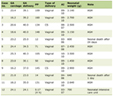 Click to view | Table 1. Prevalence of Active Helicobacter (H.) pylori Infection Across the Urticaria Activity Score Gradient |
Phenotype enrichment pattern
Active infection was associated with enrichment of high-intensity symptom features. Severe pruritus was documented in 81.8% of infected patients compared with 37.2% of non-infected patients (OR = 7.56; 95% CI, 4.18–13.71; P < 0.001). A pronounced clustering of very high wheal burden (> 50/24 h) was observed in infected individuals (55.3% vs. 5.8%; OR = 20.08; 95% CI, 7.72–52.22; P < 0.001). Angioedema was also more frequent in the infected subgroup (56.6% vs. 33.7%; OR = 2.56; 95% CI, 1.48–4.43; P = 0.001).
Interestingly, wheal duration > 1 h occurred less frequently among infected patients (87.4% vs 97.7%; OR = 0.17; 95% CI 0.04–0.73; P = 0.010), suggesting potential differences in lesion dynamics despite higher overall activity intensity (Table 2).
Click to view | Table 2. Infection-Linked Phenotype Enrichment (ORs) |
Multivariable analysis for high disease activity (UAS ≥ 5)
In a multivariable logistic regression model adjusting for age (per 10 years), sex, and CSU duration (per month), H. pylori positivity remained strongly associated with high disease activity, with an adjusted OR of 11.84 (95% CI, 5.88–23.82; P < 0.001). Age, sex, and CSU duration were not independently associated with high activity in the adjusted model (Table 3).
Click to view | Table 3. Multivariable Logistic Regression for High Disease Activity (UAS ≥ 5) |
External quality-of-life impact
The overall external quality-of-life burden was modest. Among the evaluated domains, embarrassment related to urticaria symptoms demonstrated the highest mean score (2.05 ± 0.42), whereas other domains remained closer to the lower end of the scale.
Total external impact scores did not differ significantly according to infection status (7.75 ± 1.39 vs. 7.54 ± 1.32; P = 0.30). However, disease activity itself correlated weakly but significantly with overall quality-of-life impairment (Spearman ρ = 0.13; P = 0.046).
Patients with active infection reported greater difficulty related to medication side effects (1.40 ± 0.56 vs. 1.08 ± 0.28; P < 0.001), whereas other domains showed no statistically significant differences (Table 4).
Click to view | Table 4. External Quality-of-Life Impact According to H. pylori Status |
| Discussion | ▴Top |
This study demonstrates that H. pylori positivity was common among patients with CSU and was strongly associated with higher disease activity, enrichment of severe clinical features, and a measurable gradient across UAS levels. In addition, although the overall external quality-of-life impact was modest, disease activity correlated weakly but significantly with patient-reported impairment. These findings suggest that H. pylori infection may characterize a biologically and clinically distinct subgroup of CSU with amplified inflammatory expression.
H. pylori infection may represent an associated factor linked to higher disease activity in a subset of patients.
Multiple meta-analyses over the past decade have reported a significant association between H. pylori infection and CSU and notable heterogeneity attributable to differences in diagnostic tests, regional prevalence, and case definitions [9–11]. The study contributes a larger effect size for severe activity (UAS ≥ 5) and, critically, adds evidence of a dose–response-like relationship between infection burden (stool antigen levels) and disease activity, an aspect that is often absent from cross-sectional case–control literature.
The prevalence of H. pylori positivity (64.9%) appears higher than rates reported in some regional studies, where infection prevalence among CSU cases may range widely depending on geography and testing modality. This discrepancy likely reflects differences in background prevalence and, importantly, the use of assays for active infection rather than serology. Prior cross-sectional studies using SAT have similarly emphasized the practicality of detecting active infection, though absolute positivity rates vary [13, 14, 16, 17].
The data highlighted a distinctive phenotype enrichment in H. pylori–positive CSU: severe pruritus, very high wheal counts (> 50/24 h), and more frequent angioedema. The angioedema signal is clinically meaningful because the presence of angioedema often correlates with higher disease burden and therapeutic complexity. International urticaria guidelines recognize CSU as a mast cell–driven disease presenting with wheals, angioedema, or both, and recommend targeted diagnostic workup rather than indiscriminate testing. The findings suggest that testing for active H. pylori infection may be particularly informative in patients with high disease activity and an angioedema-prone phenotype [1–4].
Previous studies have suggested that antibiotic regimens aimed at H. pylori eradication can improve CSU outcomes in some patients, although the strength and mechanisms remain debated. A placebo-controlled double-blind trial reported symptomatic benefit of eradication as add-on therapy, albeit described as temporary. More recently, systematic reviews and meta-analyses of randomized trials have reported improved remission rates with eradication antibiotics compared with control, though trial sizes are modest and between-study heterogeneity exists. Observational analyses using methods such as propensity score matching have also suggested clinical benefit from eradication strategies in CSU [18, 19].
Mechanistically, H. pylori is known to drive chronic immune activation and has been implicated in various extra-gastric inflammatory manifestations. Proposed pathways relevant to CSU include immune dysregulation, molecular mimicry, and enhanced mast cell priming. Reviews on H. pylori virulence determinants, such as CagA/VacA-related inflammatory signaling, support biological plausibility for systemic effects beyond the stomach, although direct mechanistic links in CSU remain to be confirmed. The dose–response-like findings (higher antigen burden associated with higher UAS) are compatible with an “infection burden → inflammatory priming → amplified mast cell reactivity” model, but mechanistic endpoints were not assessed in this study [20–22].
The magnitude of the adjusted odds ratio (about 12) is substantial for an observational analysis. Such effect sizes may reflect phenotype enrichment within the infected subgroup but also raise the possibility of residual confounding. Unmeasured variables—including metabolic factors, atopic predisposition, and lifestyle determinants—may have contributed to the observed association. Accordingly, the findings should be interpreted as demonstrating a strong association rather than a causal relationship.
The quality-of-life findings provide important context. While H. pylori–positive patients did not exhibit substantially higher composite external impact scores, disease activity itself was weakly associated with impairment. This pattern suggests that infection may influence symptom intensity more strongly than psychosocial burden. The highest impairment domain was embarrassment related to urticaria symptoms, consistent with previous literature emphasizing the visible and stigmatizing nature of wheals. Although active infection was strongly associated with symptom intensity, it did not translate into substantially higher composite quality-of-life scores. This suggests that infection may amplify clinical activity more prominently than psychosocial burden.
The study showed that wheal duration > 1 h was less frequent among H. pylori–positive patients despite their markedly higher activity. One plausible explanation is a difference in wheal dynamics: H. pylori–positive patients may experience frequent, high-count wheals that resolve within shorter intervals but recur continuously, yielding higher overall UAS. Alternatively, patient-reported duration may be subject to measurement error. This signal should be interpreted cautiously and may warrant objective diary-based measurement in future studies.
The present findings support a more phenotype-driven approach to diagnostic evaluation in CSU. In patients presenting with high disease activity, severe pruritus, very high wheal burden, or concomitant angioedema, assessment for active H. pylori infection may be considered as part of a targeted workup. Such an approach may help identify a subgroup characterized by amplified inflammatory expression and potentially modifiable contributing factors. In Vietnam, eradication therapy is recommended when active H. pylori infection is confirmed, in accordance with international consensus guidelines. Nevertheless, routine screening of all CSU patients is not universally practiced and remains clinician-dependent. The data suggest that selective testing in patients with moderate-to-severe activity may represent a pragmatic strategy, although prospective interventional studies are required to determine whether this approach translates into improved clinical outcomes.
This study had several limitations. The retrospective cross-sectional design precludes assessment of temporal relationships and does not allow causal inference. H. pylori status was determined using SAT, which identifies active infection but does not provide information on bacterial virulence, chronicity, or host–pathogen interactions. Immunologic biomarkers were not measured, limiting mechanistic interpretation. Important potential confounders, including body mass index, smoking, metabolic comorbidities, and atopic history, were not consistently available and could not be included in multivariable analyses, leaving residual confounding possible. Validated patient-reported outcome measures recommended in current urticaria guidelines, such as the Urticaria Control Test (UCT) and Angioedema Control Test (AECT), were not available in this retrospective dataset, limiting the evaluation of disease control and patient-reported burden. The single-center design and regional infection prevalence may limit generalizability. Additionally, only baseline disease activity was analyzed, without evaluation of longitudinal outcomes or treatment response. Prospective, multicenter, and mechanistic studies are needed to clarify causal relationships and clinical implications.
Conclusions
H. pylori infection was independently associated with higher disease activity and enrichment of severe clinical features in patients with CSU. A clear severity gradient was observed across UAS levels, and infection burden correlated with symptom intensity. Although overall external quality-of-life impairment was modest, higher disease activity was associated with greater patient-reported impact. These findings identify a clinically distinct CSU phenotype linked to active H. pylori infection. Given the retrospective cross-sectional design, causality cannot be inferred. Prospective longitudinal and interventional studies are needed to clarify whether targeted H. pylori evaluation and eradication may influence disease outcomes.
Acknowledgments
None to declare.
Financial Disclosure
None to declare.
Conflict of Interest
The authors declared that no competing interests exist.
Informed Consent
The requirement for informed consent was waived.
Author Contributions
T.V.T.V., L.M.C., N.T.T.T.H.: conceptualization, methodology, writing—original draft, writing—review and editing, supervision. N.T.L.: investigation, data curation, formal analysis, writing—original draft, writing—review and editing. All authors have read and agreed to the published version of the manuscript.
Data Availability
The data supporting the findings of this study are available from the corresponding author upon reasonable request.
Abbreviations
CI: confidence interval; CSU: chronic spontaneous urticaria; OR: odds ratio; SAT: stool antigen test; SD: standard deviation; UAS: Urticaria Activity Score
| References | ▴Top |
- Kolkhir P, Gimenez-Arnau AM, Kulthanan K, Peter J, Metz M, Maurer M. Urticaria. Nat Rev Dis Primers. 2022;8(1):61.
doi pubmed - Zuberbier T, Abdul Latiff AH, Abuzakouk M, Aquilina S, Asero R, Baker D, Ballmer-Weber B, et al. The international EAACI/GA(2)LEN/EuroGuiDerm/APAAACI guideline for the definition, classification, diagnosis, and management of urticaria. Allergy. 2022;77(3):734-766.
doi pubmed - Zuberbier T, Ensina LF, Gimenez-Arnau A, Grattan C, Kocaturk E, Kulthanan K, Kolkhir P, et al. Chronic urticaria: unmet needs, emerging drugs, and new perspectives on personalised treatment. Lancet. 2024;404(10450):393-404.
doi pubmed - Kolkhir P, Bonnekoh H, Metz M, Maurer M. Chronic spontaneous urticaria: a review. JAMA. 2024;332(17):1464-1477.
doi pubmed - Saini SS, Asero R, Cugno M, Park HS, Oliver ET. Pathogenesis of chronic spontaneous urticaria with or without angioedema. J Allergy Clin Immunol Pract. 2025;13(9):2221-2228.
doi pubmed - Chey WD, Leontiadis GI, Howden CW, Moss SF. ACG clinical guideline: treatment of helicobacter pylori infection. Am J Gastroenterol. 2017;112(2):212-239.
doi pubmed - Malfertheiner P, Megraud F, Rokkas T, Gisbert JP, Liou JM, Schulz C, Gasbarrini A, et al. Management of Helicobacter pylori infection: the Maastricht VI/Florence consensus report. Gut. 2022;71(9):1724-1762.
doi pubmed - Kim HJ, Kim YJ, Lee HJ, Hong JY, Park AY, Chung EH, Lee SY, et al. Systematic review and meta-analysis: Effect of Helicobacter pylori eradication on chronic spontaneous urticaria. Helicobacter. 2019;24(6):e12661.
doi pubmed - Guo Y, Li HM, Zhu WQ, Li Z. Role of Helicobacter pylori eradication in chronic spontaneous urticaria: a propensity score matching analysis. Clin Cosmet Investig Dermatol. 2021;14:129-136.
doi pubmed - Mogaddam MR, Yazdanbod A, Ardabili NS, Maleki N, Isazadeh S. Relationship between Helicobacter pylori and idiopathic chronic urticaria: effectiveness of Helicobacter pylori eradication. Postepy Dermatol Alergol. 2015;32(1):15-20.
doi pubmed - Armstrong AW, Soong W, Bernstein JA. Chronic spontaneous urticaria: how to measure it and the need to define treatment success. Dermatol Ther (Heidelb). 2023;13(8):1629-1646.
doi pubmed - Nettis E, Rossi O, Diluvio L, Ferrucci S, Spinelli F, Bonavita O, Asero R. Patient-reported outcome measures for chronic spontaneous urticaria: a strategy centred on optimizing patient management. Clin Exp Dermatol. 2025;50(8):1522-1529.
doi pubmed - da Silva-Etto JMK, Mattar R, Villares-Lopes CA, Marques SB, Carrilho FJ. Evaluation of diagnostic accuracy of two rapid stool antigen tests using an immunochromatographic assay to detect Helicobacter pylori. Clin Biochem. 2017;50(16-17):959-962.
doi pubmed - Resina E, Donday MG, Martinez-Dominguez SJ, Laserna-Mendieta EJ, Lanas A, Lucendo AJ, Sanchez-Luengo M, et al. Evaluation of a new monoclonal chemiluminescent immunoassay stool antigen test for the diagnosis of helicobacter pylori infection: a Spanish multicentre study. J Clin Med. 2022;11(17):5077.
doi pubmed - Kayali S, Aloe R, Bonaguri C, Gaiani F, Manfredi M, Leandro G, Fornaroli F, et al. Non-invasive tests for the diagnosis of helicobacter pylori: state of the art. Acta Biomed. 2018;89(8-S):58-64.
doi pubmed - Younes AK, Tawfik K, Mohammed M, Ragheb R, Abdel Tawaab A, Eid K, et al. Role of Helicobacter pylori eradication in the treatment of chronic idiopathic urticaria. Al-Azhar Assiut Medical Journal. 2018;16(1):49.
doi - Wearne T, Nadeem S, Wilson B, Mansfield KJ, Keighley C. The suitability of stool antigen testing in the detection of helicobacter pylori in a regional and rural area of australia. GastroHep. 2023;2023:1-9.
doi - Criado PR, Criado RFJ, Miot HA, Abdalla BMZ, Marchioro HZ, Bonamigo RR. Chronic spontaneous urticaria: update on pathogenesis and therapeutic implications. An Bras Dermatol. 2025;100(5):501198.
doi pubmed - Wong D, Waserman S, Sussman GL. Endotypes of chronic spontaneous urticaria and angioedema. J Allergy Clin Immunol. 2025;156(1):17-23.
doi pubmed - Tbakhi B, Ware K, Park HS, Bernstein JS, Bernstein JA. An overview of chronic spontaneous urticaria: diagnosis, management, and treatment. Allergy Asthma Immunol Res. 2025;17(5):531-546.
doi pubmed - Bernstein JA, Ansotegui I, Asero R, Banerji A, Betschel S, Craig T, Garcia-Abujeta JL, et al. Diagnostic testing for chronic spontaneous urticaria with or without angioedema: The do's, don't and maybe's. World Allergy Organ J. 2025;18(7):101068.
doi pubmed - Lang DM, Sheikh J, Joshi S, Bernstein JA. Endotypes, phenotypes, and biomarkers in chronic spontaneous urticaria: Evolving toward personalized medicine. Ann Allergy Asthma Immunol. 2025;134(4):408-417.e403.
doi pubmed
This article is distributed under the terms of the Creative Commons Attribution 4.0 International License (CC BY 4.0), which permits unrestricted use, distribution, and reproduction in any medium, including commercial use, provided the original work is properly cited.
Journal of Clinical Medicine Research is published by Elmer Press Inc.