| Journal of Clinical Medicine Research, ISSN 1918-3003 print, 1918-3011 online, Open Access |
| Article copyright, the authors; Journal compilation copyright, J Clin Med Res and Elmer Press Inc |
| Journal website https://jocmr.elmerjournals.com |
Original Article
Volume 18, Number 8, August 2026, pages 567-584

Comparative Effectiveness of Continuous Subcutaneous Insulin Infusion Versus Multiple Daily Injections on Glycemic Control in Pediatric Type 1 Diabetes: A Systematic Review, Meta-Analysis, and Trial Sequential Analysis
Zeinh Hussein Fardana, Alam Eldin Musa Mustafaa, Niemat Mohammed Tahir Alia, Youssef A. Alqahtania, Marwa Hussein Said Ahmad Alhagb, Leen A. Aburasc, Mai Mazen Alzayerd, Khulud Musallam Salem Alsulamie, Lama Ateff, Ali Said Ali Metwalyg, h
aDepartment of Pediatrics and Child Health, College of Medicine, King Khalid University, Abha, Saudi Arabia
bMaternity and Child Hospital, Hail, Saudi Arabia
cCollege of Medicine, Istinye Universitesi, Istanbul, Turkey
dIbn Sina National College, Dammam, Saudi Arabia
eUniversity of Jeddah, Jeddah, Saudi Arabia
fCollege of Medicine, Alfaisal University, Riyadh, Saudi Arabia
gPrecision Medicine, Faculty of Pharmacy, Alexandria University, Alexandria, Egypt
hCorresponding Author: Ali Said Ali Metwaly, Precision Medicine, Faculty of Pharmacy, Alexandria University, Alexandria, Egypt
Manuscript submitted March 11, 2026, accepted June 26, 2026, published online August 26, 2026
Short title: CSII vs. MDI for Pediatric T1DM
doi: https://doi.org/10.14740/jocmr6560
| Abstract | ▴Top |
Background: Intensive insulin therapy is crucial for mitigating complications in pediatric type 1 diabetes mellitus (T1DM). This study aimed to evaluate the impact of continuous subcutaneous insulin infusion (CSII) versus multiple daily injections (MDI) on glycemic control and safety in pediatric patients.
Methods: A systematic search of PubMed/MEDLINE, Embase, and Cochrane Central was conducted for randomized controlled trials (RCTs) published up to 2026. Data were synthesized using random-effects meta-analysis to calculate mean differences (MD) for hemoglobin A1c (HbA1c) and risk ratios (RR) for adverse events. Trial sequential analysis (TSA) was employed to assess the sufficiency of evidence. Certainty of evidence was graded using the Grades of Recommendations Assessment, Development, and Evaluation (GRADE) approach.
Results: Fourteen RCTs involving 659 participants were included. CSII was associated with a modest reduction in HbA1c compared to MDI (MD −0.36%; 95% confidence interval (CI), −0.80 to 0.08), although this did not reach statistical significance in the primary analysis (P = 0.098). However, sensitivity analysis excluding one large pragmatic trial revealed a significant benefit for CSII (MD −0.27%, P < 0.0001). No significant differences were found in the risks of severe hypoglycemia (RR = 0.83) or diabetic ketoacidosis (RR = 1.40). TSA indicated that the required information size for a definitive conclusion on HbA1c has not yet been met.
Conclusions: CSII may offer a modest glycemic advantage over MDI in pediatric T1DM without increasing safety risks; however, current randomized evidence is insufficient to universally recommend one modality over the other. Treatment choice should be personalized. Although the proportion of patients using automated insulin delivery (AID) is rising rapidly, CSII retains practical and cost advantages; future research should focus on modern AID systems.
Keywords: Type 1 diabetes mellitus; Pediatrics; Continuous subcutaneous insulin infusion; Multiple daily injections; Meta-analysis; Trial sequential analysis; Glycemic control
| Introduction | ▴Top |
Type 1 diabetes mellitus (T1DM) is one of the most prevalent chronic autoimmune diseases in childhood and adolescence, characterized by a rising incidence rate [1, 2]. As established by the landmark Diabetes Control and Complications Trial (DCCT), intensive glycemic control is paramount to delaying the onset and mitigating the progression of long-term microvascular and macrovascular complications [3, 4]. However, achieving and maintaining optimal hemoglobin A1c (HbA1c) targets is a clinical challenge in the pediatric population because of the unpredictable eating patterns, variable physical activity, physiological insulin resistance associated with puberty, and the psychosocial burden that the disease places on patients and their families [3, 5, 6].
To achieve tight metabolic control, intensive insulin therapy is delivered via two primary modalities: multiple daily injections (MDI) and continuous subcutaneous insulin infusion (CSII) [7]. MDI, which utilizes a basal-bolus regimen of long-acting insulin analogues combined with rapid-acting prandial injections, has served as the standard of care [4, 8]. Alternatively, CSII (insulin pump therapy) relies on a programmable external device to continuously deliver rapid-acting insulin into the subcutaneous tissue, more closely mimicking physiological, meal-independent pancreatic insulin secretion [7, 9]. Proponents of CSII highlight its capacity for flexible basal rate adjustments and precision bolusing, which minimizes glycemic variability, reduces the risk of severe hypoglycemia, and alleviates the daily burden of multiple needle injections, thereby improving health-related quality of life (HRQoL) [10–12].
Despite the increasing adoption of CSII, often facilitated by advancing technologies and expanded healthcare reimbursement policies, the evidence regarding its definitive long-term clinical superiority over modern MDI regimens in pediatric populations remains debated [13, 14]. Numerous observational studies, national registry analyses, and long-term retrospective cohort studies have reported sustained improvements in HbA1c, delayed complication onset, and reduced rates of severe hypoglycemia associated with CSII use [10, 15, 16]. Other pediatric cohort studies have demonstrated comparable metabolic outcomes between the two modalities, occasionally noting a transient improvement with CSII that diminishes over time due to diabetes burnout or non-adherence [17–19]. Furthermore, while some data suggest that CSII reduces severe adverse events, others warn of an increased risk of diabetic ketoacidosis (DKA) related to pump malfunction or infusion site failures [18, 20].
Previous meta-analyses synthesizing randomized controlled trials (RCTs) have indicated a marginal benefit of CSII over MDI in lowering HbA1c. However, the strength of these conclusions is often compromised by the inclusion of adult cohorts, the historical use of suboptimal neutral protamine Hagedorn (NPH) insulin in older MDI control arms, small sample sizes, and significant methodological heterogeneity [7, 9, 21]. Furthermore, meta-analyses risk producing spurious, statistically significant findings due to random errors from sparse data and repeated significance testing. Because of the financial disparities between the two therapies, establishing a conclusive cost-to-benefit ratio is critical for clinical decision-making and global healthcare policy [16, 22].
An updated and highly rigorous synthesis restricted exclusively to pediatric RCTs is necessary to resolve the persistent ambiguity surrounding these insulin delivery systems in youth. Trial sequential analysis (TSA) addresses the limitations of traditional meta-analyses by quantifying the statistical reliability of cumulative data, controlling for type I and type II errors, and determining whether the required information size (RIS) has been reached to form conclusive evidence [21]. Therefore, the objective of this systematic review, meta-analysis, and TSA was to evaluate the comparative effectiveness and safety of CSII versus MDI on glycemic control, insulin requirements, and acute adverse events in pediatric patients with T1DM.
| Materials and Methods | ▴Top |
Protocol and registration
This systematic review and meta-analysis was conducted in strict accordance with the Preferred Reporting Items for Systematic Reviews and Meta-Analyses (PRISMA) 2020 guidelines [23] (Supplementary Material 1, jocmr.elmerjournals.com). The study protocol was registered a priori in the International Prospective Register of Systematic Reviews (PROSPERO; registration number: CRD420261296629) to ensure transparency and prevent selective reporting.
Search strategy
A systematic search strategy was developed and executed across major electronic databases (e.g., PubMed/MEDLINE, Embase, Cochrane Central Register of Controlled Trials) from inception to the present. The search incorporated both medical subject headings (MeSH) and free-text terms related to “type 1 diabetes mellitus,” “pediatric,” “continuous subcutaneous insulin infusion,” “insulin pump,” and “multiple daily injections.”
Eligibility criteria
Studies were selected based on the following predefined inclusion criteria: (1) population: pediatric patients (aged ≤ 18 years) with a confirmed diagnosis of type 1 diabetes; (2) intervention: CSII; (3) comparator: MDI of insulin; (4) outcomes: glycemic control (HbA1c), total daily insulin dose, body mass index (BMI), severe hypoglycemia, and DKA; and (5) study design: RCTs. Observational studies, non-randomized trials, reviews, and adult-only populations were strictly excluded.
Study selection and data extraction
Two investigators independently screened the titles and abstracts of the retrieved records, followed by a full-text review of potentially eligible articles. The interrater reliability of the study selection process was quantified using Cohen’s kappa statistic [24], with disagreements resolved via consultation with a third investigator. Data were independently extracted using a standardized, pre-piloted electronic form.
Risk of bias and quality assessment
The internal validity and methodological quality of the included RCTs were evaluated using the Cochrane risk of bias 2.0 (RoB 2) tool [25]. Studies were assessed across five domains: randomization process, deviations from intended interventions, missing outcome data, outcome measurement, and result selection. An overall risk of bias judgment (low, some concerns, or high) was assigned to each trial.
Effect measures and statistical models
For continuous outcomes (e.g., HbA1c, insulin doses), the pooled effect measures were calculated as the mean difference (MD) or standardized mean difference (SMD) when different scales were utilized. For dichotomous outcomes (e.g., severe hypoglycemia, DKA), the risk ratio (RR) was utilized.
Given the anticipated clinical and methodological variability among pediatric populations and treatment protocols, a random-effects model was employed as the primary statistical framework. The between-study variance was estimated using the restricted maximum likelihood (REML) estimator [26], whereas the DerSimonian–Laird method was utilized as a sensitivity estimator [27]. To mitigate the risk of type I errors commonly associated with standard random-effects models in meta-analyses with a limited number of studies, the Hartung–Knapp–Sidik–Jonkman (HKSJ) adjustment was applied to yield more robust and conservative confidence intervals (CIs) [28]. Results were reported with 95% CI, and 95% prediction intervals (PIs) were calculated to estimate the distribution of true effect sizes in future clinical settings [29].
Heterogeneity and moderators
Statistical heterogeneity (inconsistency) across trials was assessed using Cochran’s Q test (with P < 0.10 indicating statistical significance) [30] and quantified using the I2 statistic, where values of 25%, 50%, and 75% represented low, moderate, and high heterogeneity, respectively [31]. The absolute between-study heterogeneity (dispersion) was quantified using the Tau2 statistic [32].
To explore the sources of heterogeneity, predefined subgroup analyses and meta-regression models were performed [33]. The moderators analyzed included patient age groups (preschoolers vs. adolescents), baseline HbA1c, duration of follow-up, and MDI basal insulin type (NPH vs. long-acting analogues).
Robustness and sensitivity analyses
To assess the stability of the pooled estimates, comprehensive adjustment and sensitivity analyses were performed. Specifically, a leave-one-out sensitivity analysis was conducted by iteratively removing one study at a time and recalculating the pooled effect size to ascertain whether any single study disproportionately drove the overall results or statistical heterogeneity [34].
Publication bias and small-study effects
To investigate potential reporting and dissemination biases, a visual assessment of bias was conducted using funnel plots for outcomes containing 10 or more studies [35]. The presence of small-study effects or publication bias was formally evaluated using statistical tests, including Egger’s linear regression test [36] and Begg’s rank correlation test [37].
TSA
To assess whether the cumulative evidence achieved adequate statistical power and to evaluate sample size requirements, a TSA was performed [38]. TSA adjusts the significance thresholds for repetitive testing of accumulating data and calculates the RIS based on an anticipated relative risk reduction or a minimal clinically significant difference (e.g., 0.3% reduction in HbA1c), setting the type I error at 5% and type II error at 20% (80% power).
Certainty of evidence
The overall certainty and strength of the evidence for each primary and secondary outcome were evaluated using the Grades of Recommendations Assessment, Development, and Evaluation (GRADE) approach [39]. Evidence was downgraded based on risk of bias, inconsistency, indirectness, imprecision, and publication bias, resulting in a final quality rating of high, moderate, low, or very low.
Software
All statistical analyses, meta-regressions, and generation of plots were conducted using R software (version 4.5.2; R Foundation for Statistical Computing, Vienna, Austria) utilizing the meta, metafor, and dmetar packages [40].
Ethical compliance
As this study was a systematic review and meta-analysis of previously published literature and involved no direct research on human subjects, neither ethical approval nor patient consent was required. Accordingly, an ethical compliance statement is not applicable.
| Results | ▴Top |
Study selection and characteristics
The initial systematic search yielded 837 records from databases and registers. After deduplication and rigorous screening against the eligibility criteria, 14 unique RCTs were included in the final quantitative synthesis (Fig. 1). These studies encompassed a total of 659 pediatric participants with T1DM who were randomized to either CSII or MDI. The included trials were published between 2003 and 2025, reflecting over two decades of clinical research evolution (Table 1) [41–54].
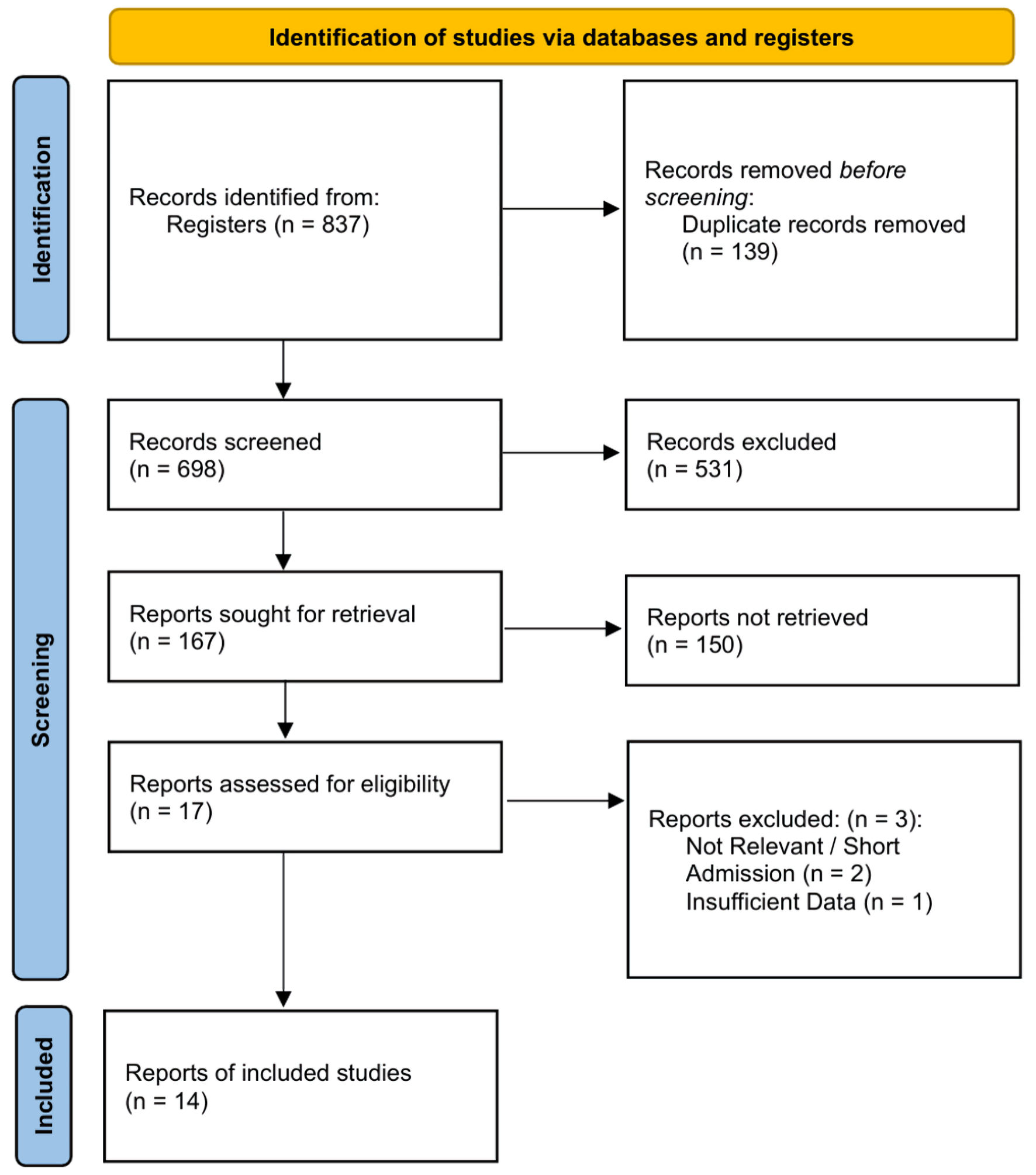 Click for large image | Figure 1. PRISMA 2020 flow diagram illustrating the selection process of included studies. PRISMA: Preferred Reporting Items for Systematic Reviews and Meta-Analyses. |
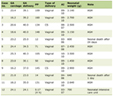 Click to view | Table 1. Characteristics of Included Randomized Controlled Trials |
Risk of bias assessment
The methodological quality of the included RCTs was assessed using the RoB 2 tool (Figs. 2, 3). The overall risk of bias was mixed. While the randomization process (D1) was robust (low risk in 91.7% of studies), deviations from intended interventions (D2) presented some concerns in 83.3% of trials. This is primarily inherent to the open-label nature of insulin delivery trials, in which blinding participants and clinicians to pump vs. injection therapy is often infeasible. Missing outcome data (D3) and outcome measurement (D4) were largely at low risk, with 91.7% and 100% of studies rated as low risk, respectively. The selection of the reported results (D5) was rated as low risk.
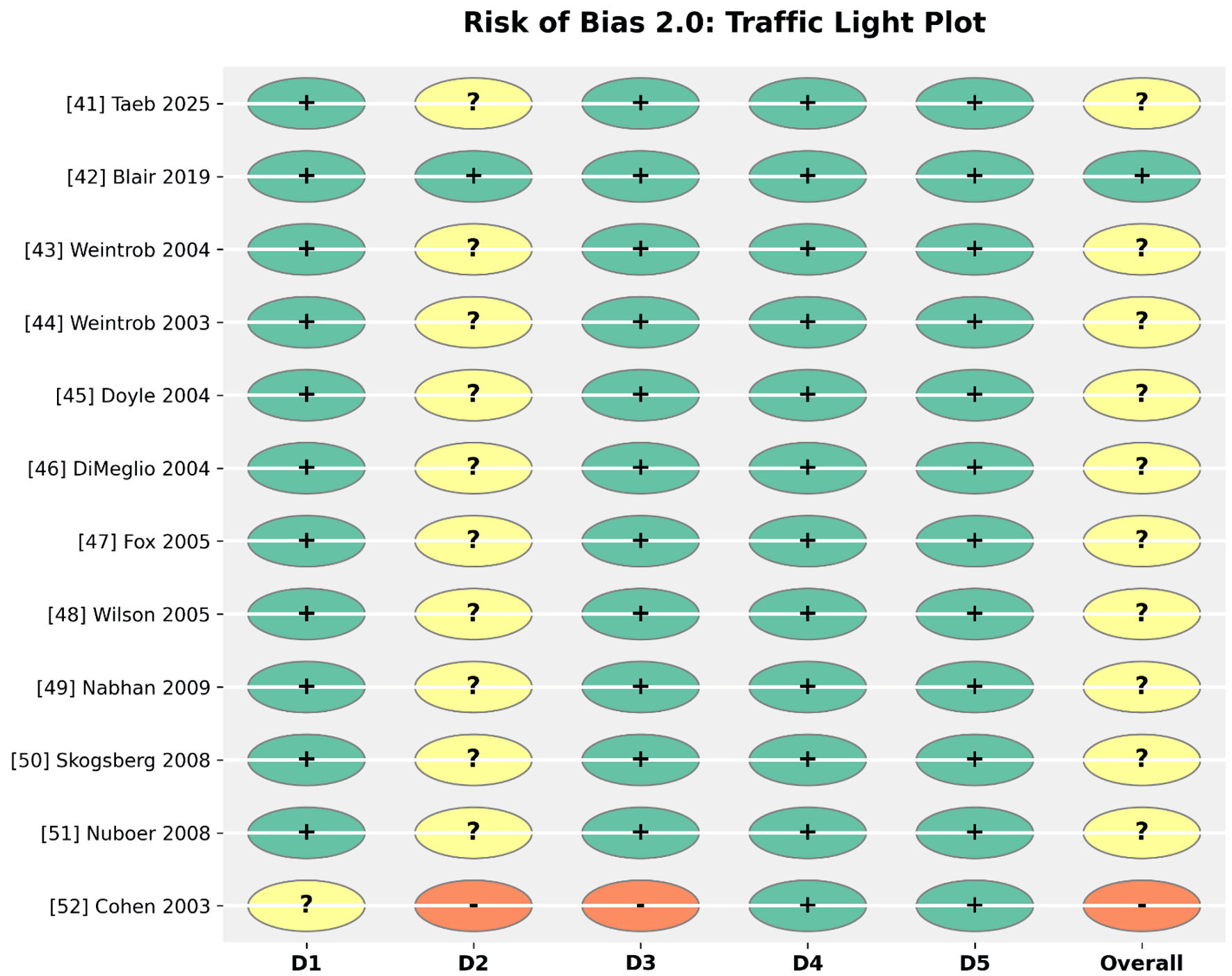 Click for large image | Figure 2. Risk of bias traffic light plot for included randomized controlled trials using the Cochrane RoB 2.0 tool. Traffic light plot showing judgments for each domain: D1 (randomization process), D2 (deviations from intended interventions), D3 (missing outcome data), D4 (measurement of the outcome), and D5 (selection of the reported result). Green (+) indicates low risk, yellow (?) indicates some concerns, and red (-) indicates high risk. |
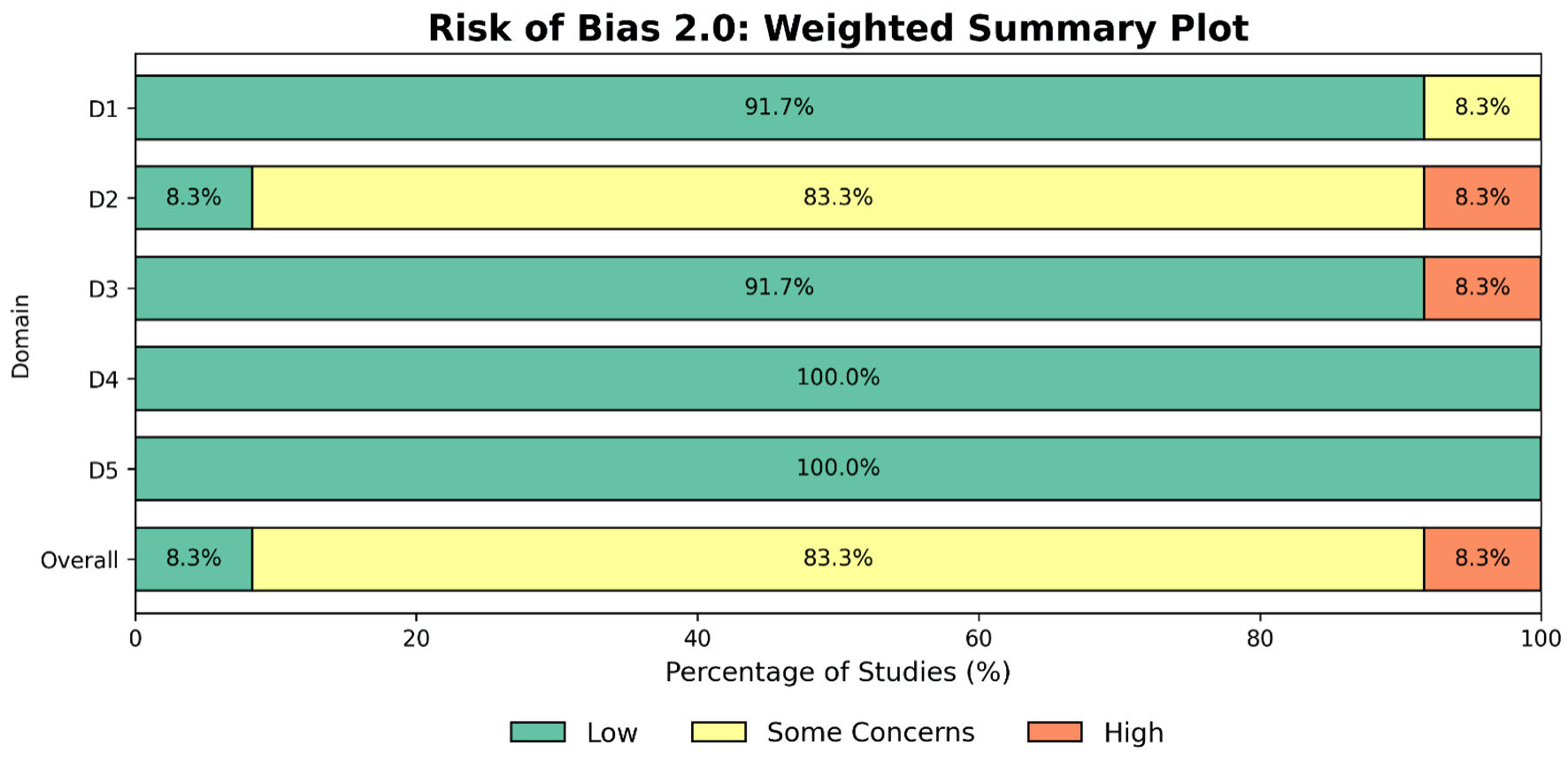 Click for large image | Figure 3. Risk of bias weighted summary plot. |
Primary outcome: glycemic control (HbA1c)
The meta-analysis of glycemic control included 11 RCTs involving 659 participants. Using a random-effects model with REML estimation and HKSJ adjustment, CSII was associated with a statistically significant reduction in HbA1c levels compared to MDI (Fig. 4). The pooled MD was –0.36% (95% CI, –0.80 to 0.08, P = 0.0982). Although the point estimate favors CSII, the CI crosses 0, indicating that the overall effect is not statistically significant at the 5% level in this conservative model.
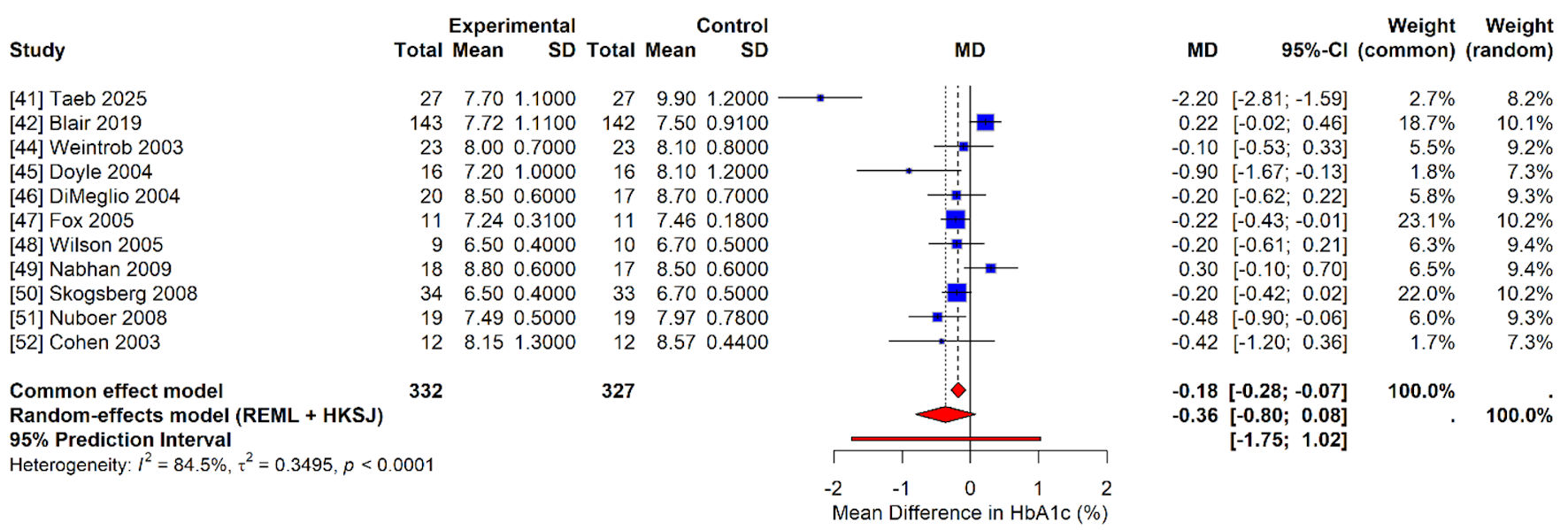 Click for large image | Figure 4. Forest plot comparing the effect of continuous subcutaneous insulin infusion (CSII) vs. multiple daily injections (MDI) on HbA1c (%) in pediatric type 1 diabetes. The plot displays the mean difference (MD) with 95% confidence intervals (CIs) for individual studies and the pooled random effects estimate. SD: standard deviation; HbA1C: glycated hemoglobin. |
Substantial statistical heterogeneity was observed (I2 = 84.5%, P < 0.0001), suggesting considerable variability in effect sizes across studies. The between-study variance (Tau2) was estimated at 0.3495. The 95% PI ranged from −1.75% to 1.02%, indicating that in future similar studies, the true effect of CSII on HbA1c could range from a substantial reduction to a slight increase compared to MDI.
Diagnostic plots confirmed the influential outliers. The Baujat plot (Fig. 5) identified the studies by Taeb et al [41] and Blair et al [42] as major contributors to both the overall heterogeneity and the pooled effect size, validating the findings from the leave-one-out sensitivity analysis.
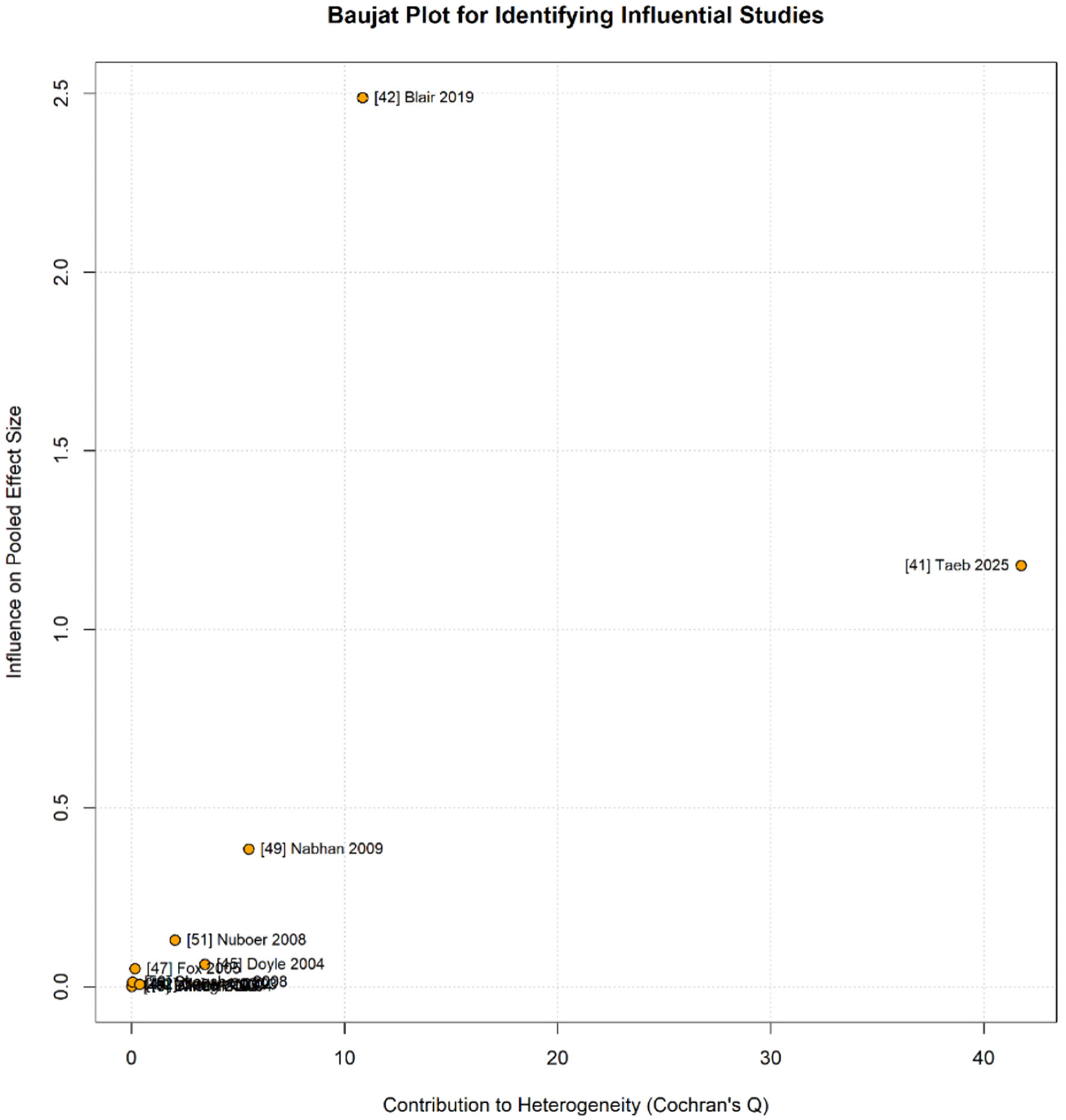 Click for large image | Figure 5. Baujat plot diagnostic for heterogeneity. Studies in the top-right quadrant (e.g., Blair et al 2019 [42], Taeb et al 2025 [41]) contribute most significantly to the overall heterogeneity and influence the pooled effect size. |
Subgroup analysis
To explore the sources of heterogeneity, a subgroup analysis was performed based on study design (parallel vs. crossover) (Fig. 6). The subgroup difference was not statistically significant (P = 0.0818). Parallel trials (k = 8) showed a non-significant reduction in HbA1c with CSII (MD, –0.21%; 95% CI, –0.32 to –0.10), whereas crossover trials (k = 3) showed a slight increase (MD, 0.05%; 95% CI, –0.22 to 0.32).
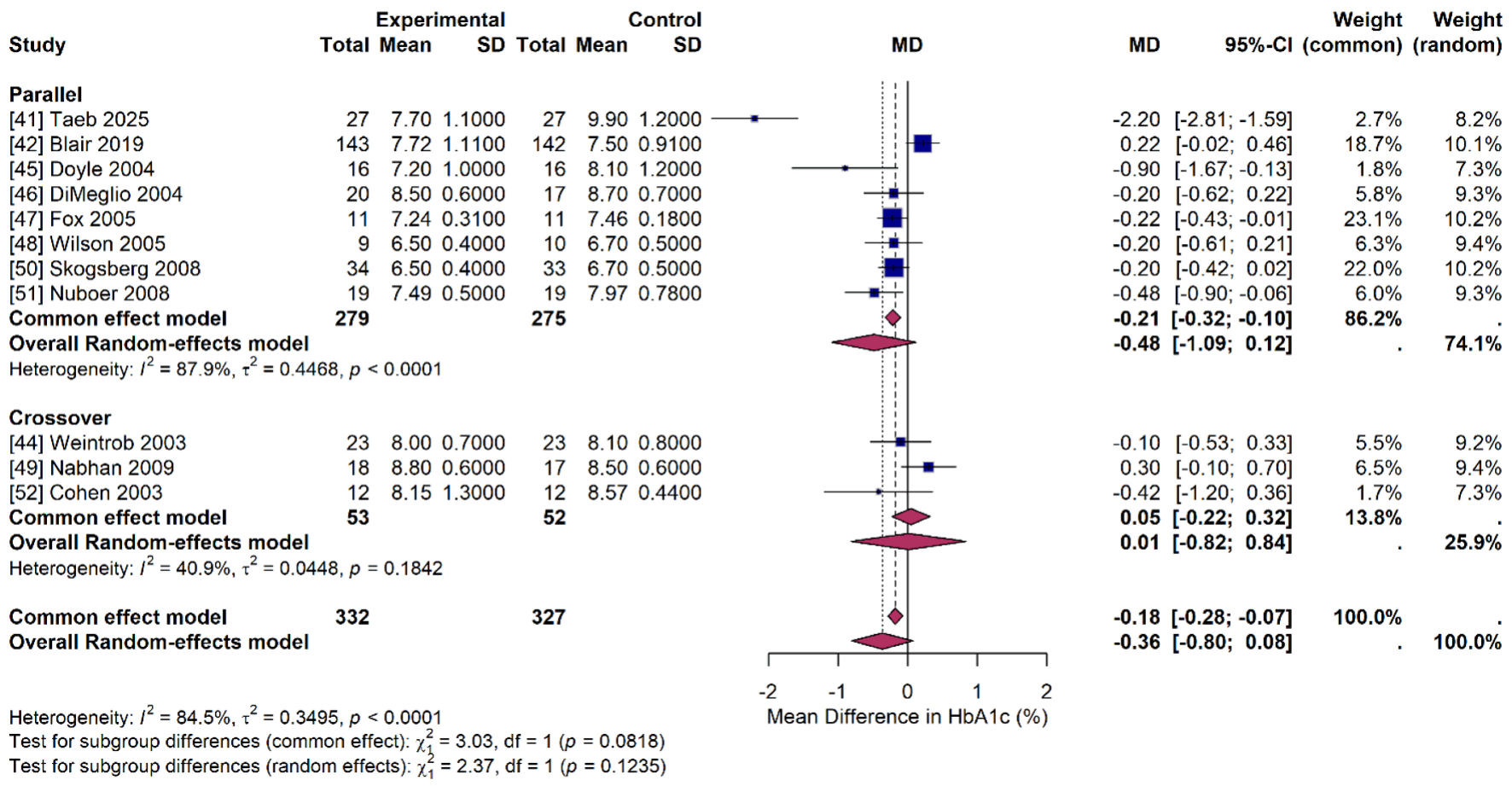 Click for large image | Figure 6. Subgroup analysis forest plot for HbA1c (%) stratified by study design. SD: standard deviation; HbA1C: glycated hemoglobin; MD: mean difference; CI: confidence interval. |
Meta-regression
Meta-regression analysis examining the impact of follow-up duration on effect size revealed no significant relationship (P = 0.8472) (Fig. 7). The slope of the regression line was nearly flat, indicating that the treatment effect of CSII vs. MDI on HbA1c does not appear to diminish or increase significantly over study durations ranging from 3.5 to 24 months.
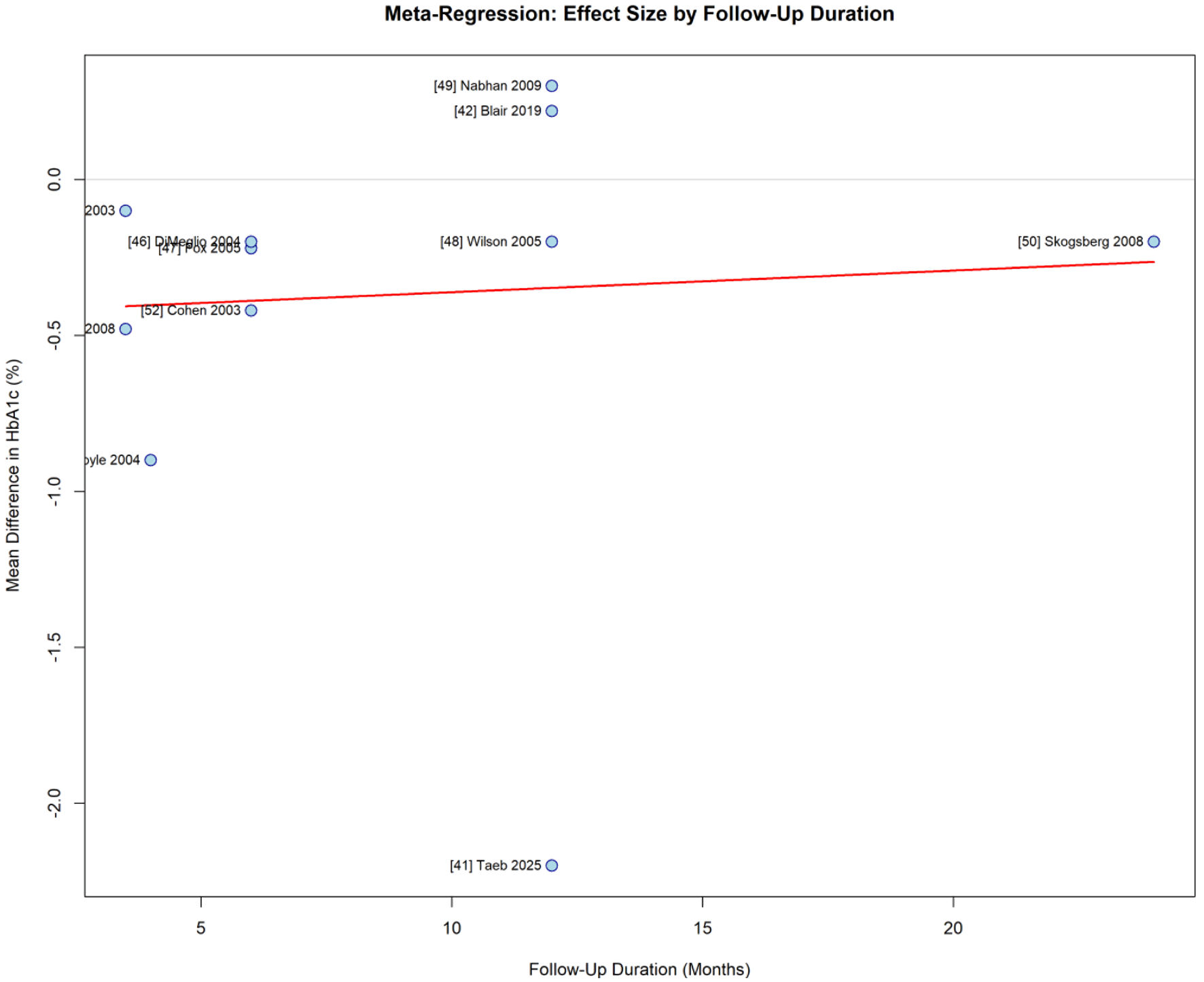 Click for large image | Figure 7. Meta-regression bubble plot illustrating the relationship between follow-up duration (months) and the mean difference in HbA1c. The size of each bubble corresponds to the weight of the study in the meta-analysis. HbA1C: glycated hemoglobin. |
Furthermore, a cumulative meta-analysis (Fig. 8) demonstrated the temporal evolution of evidence regarding HbA1c. Early studies (2003–2005) showed fluctuating effect estimates with wide CIs. As evidence accumulated, the pooled effect size stabilized around a modest reduction favoring CSII; however, the 95% CIs consistently crossed the null hypothesis, particularly after the inclusion of the large, pragmatic trial by Blair et al [42].
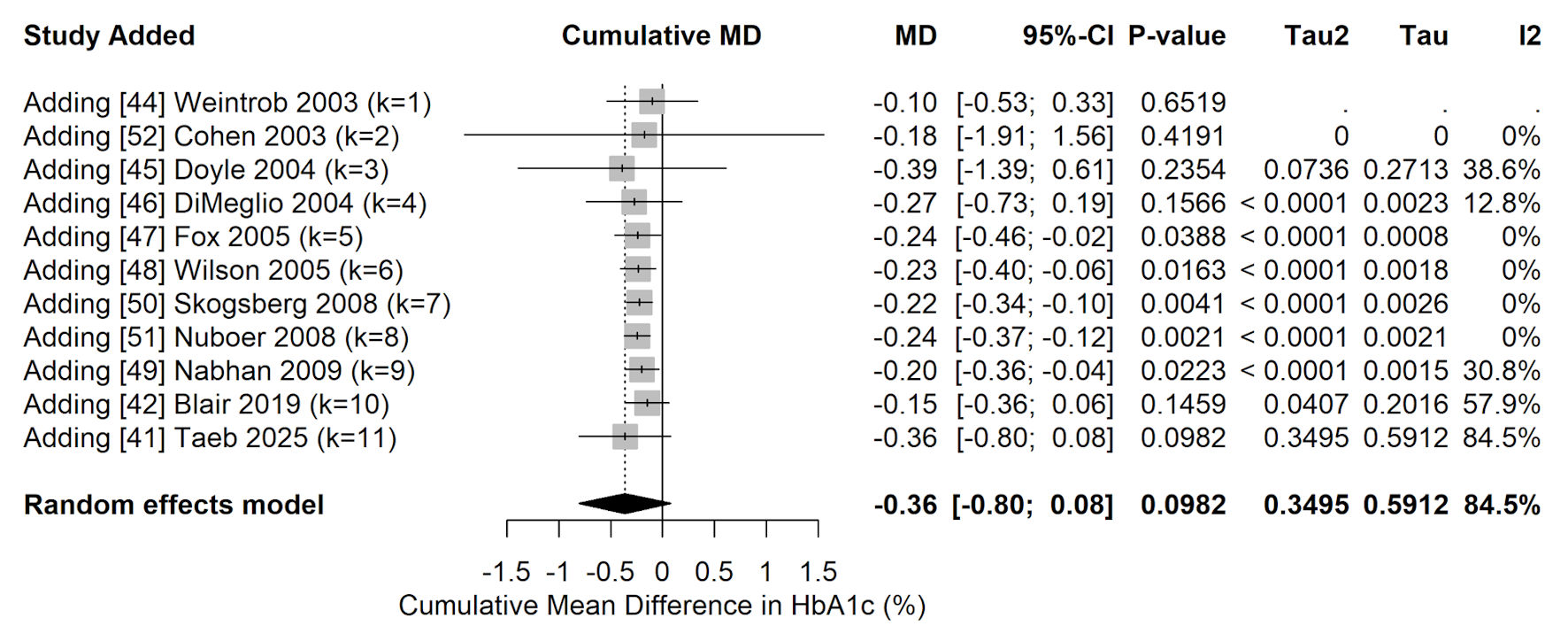 Click for large image | Figure 8. Cumulative meta-analysis. Forest plot for HbA1c, displaying the evolution of the pooled mean difference (MD) and 95% confidence interval as studies were added chronologically by publication year. HbA1C: glycated hemoglobin. |
Sensitivity and influence analysis
The robustness of the primary outcome was assessed via leave-one-out sensitivity analysis (Fig. 9). Omitting individual studies did not fundamentally alter the direction of the effect; however, the magnitude and significance fluctuated. Excluding the study by Blair et al [42], which had a large sample size and showed a slight increase in HbA1c with CSII, shifted the pooled effect to a statistically significant reduction in favor of CSII (MD, –0.27%; 95% CI, –0.38 to –0.15; P < 0.0001). This suggests that this single large trial significantly influenced the overall non-significant finding. The Baujat plot further confirmed that Blair et al [42] and Taeb et al [41] were major contributors to the overall heterogeneity and significantly influenced the pooled effect size.
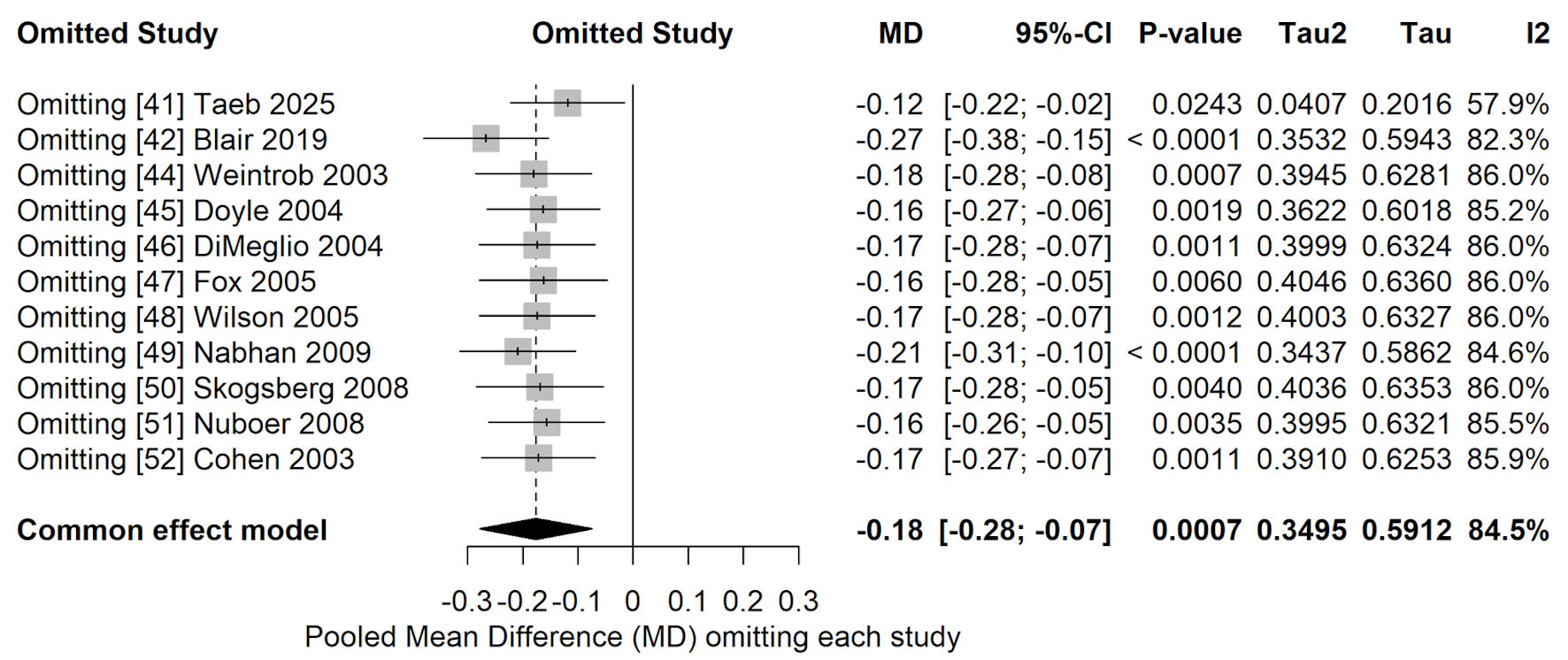 Click for large image | Figure 9. Leave-one-out sensitivity analysis. Forest plot for HbA1c, showing the pooled mean difference and heterogeneity (I2) when each study is iteratively omitted. HbA1C: glycated hemoglobin. |
Sensitivity analyses using the SMD with the DerSimonian–Laird model (Fig. 10) yielded results consistent with the primary MD analysis. The pooled SMD was –0.45 (95% CI, –0.85 to –0.05), indicating a moderate effect size favoring CSII, although significant heterogeneity persisted (I2 = 80.3%, P < 0.0001). The 95% PI ranged from–1.83 to 0.92, encompassing both benefits and harms.
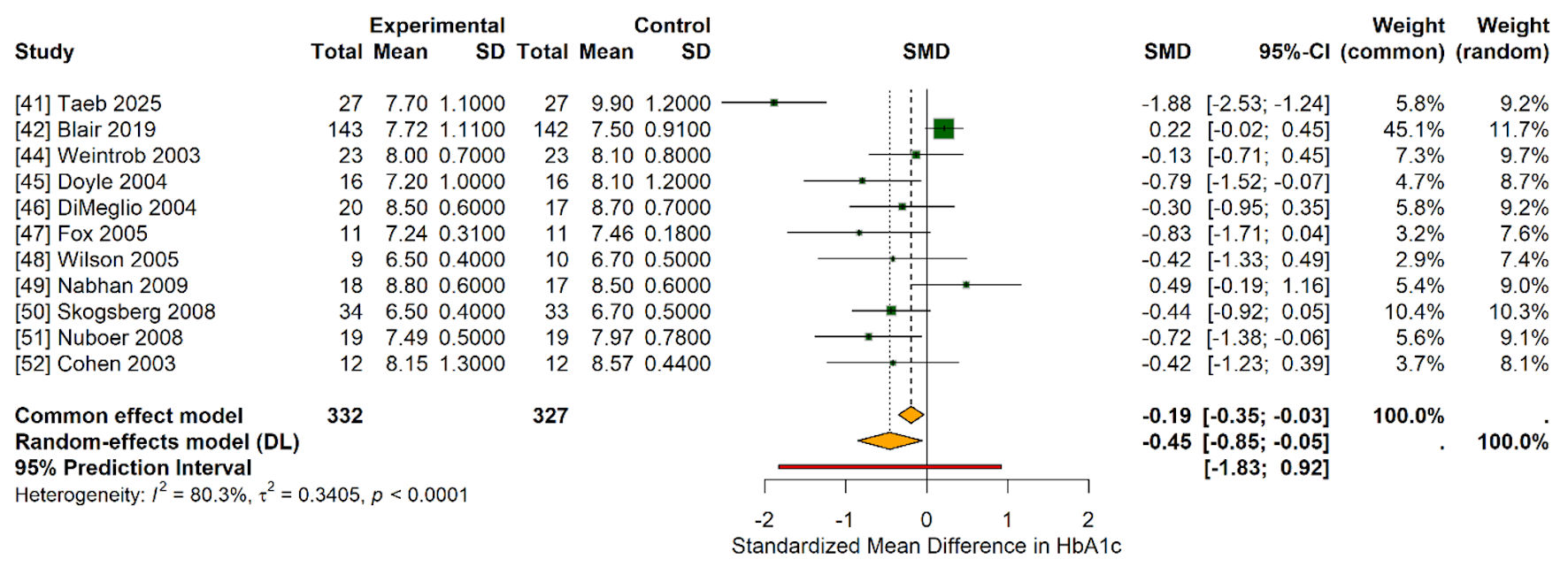 Click for large image | Figure 10. Forest plot comparing the effect of continuous subcutaneous insulin infusion (CSII) vs. multiple daily injections (MDI) on HbA1c using standardized mean difference (SMD). The random-effects model (DerSimonian–Laird) was used. SD: standard deviation; HbA1C: glycated hemoglobin; CI: confidence interval. |
Secondary outcome: severe hypoglycemia
The risk of severe hypoglycemia was evaluated in nine RCTs. The pooled RR was 0.83 (95% CI, 0.46 to 1.50) using the random-effects model (Fig. 11), indicating a non-statistically significant trend towards a reduced risk of severe hypoglycemia with CSII compared to MDI. The heterogeneity for this outcome was very low (I2 = 0.0%, P = 0.4795), suggesting consistent safety profiles across the included trials. The 95% PI (0.30–2.30) spans 1, reinforcing the uncertainty regarding the superiority of either method for this safety outcome in future studies.
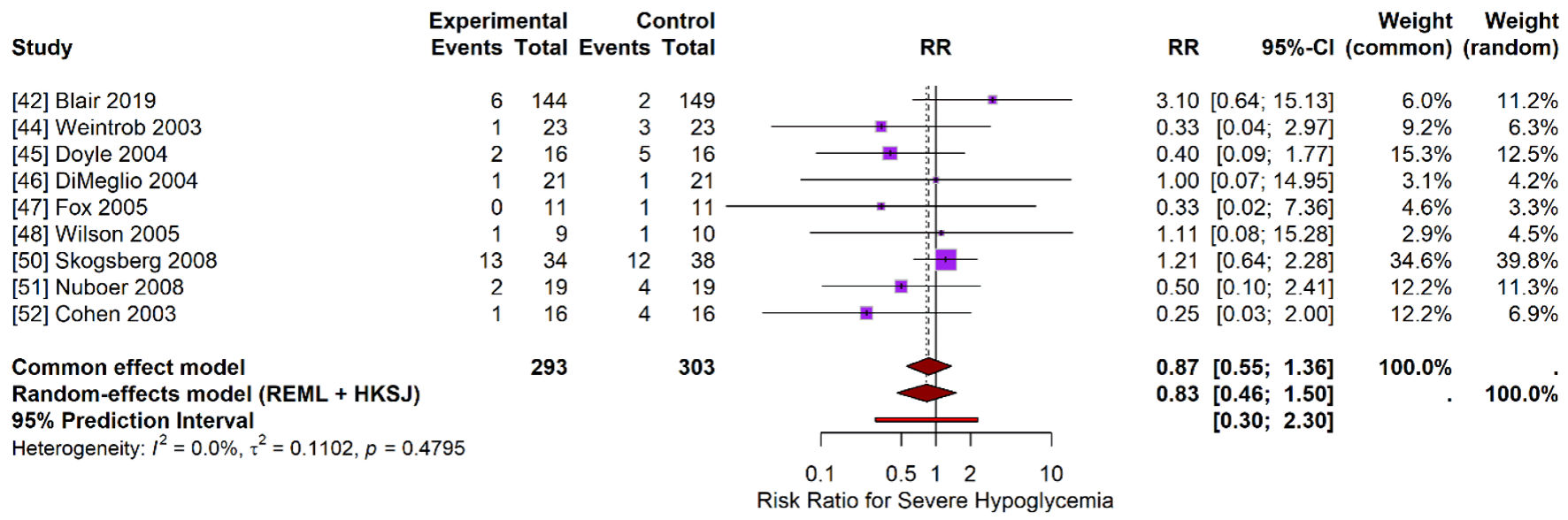 Click for large image | Figure 11. Forest plot comparing the risk of severe hypoglycemia between continuous subcutaneous insulin infusion (CSII) and multiple daily injections (MDI) groups. Results are presented as risk ratios (RR) with 95% confidence intervals (CIs). HbA1C: glycated hemoglobin. |
Publication bias
Visual inspection of the contour-enhanced funnel plot for HbA1c (Fig. 12) revealed some asymmetry, potentially indicative of small-study effects or publication bias. However, statistical tests did not confirm significant bias. Egger’s linear regression test yielded a P value of 0.1264, and Begg’s rank correlation test showed a P value of 0.2429. Although these tests are not definitive, they did not provide strong statistical evidence of publication bias in this meta-analysis.
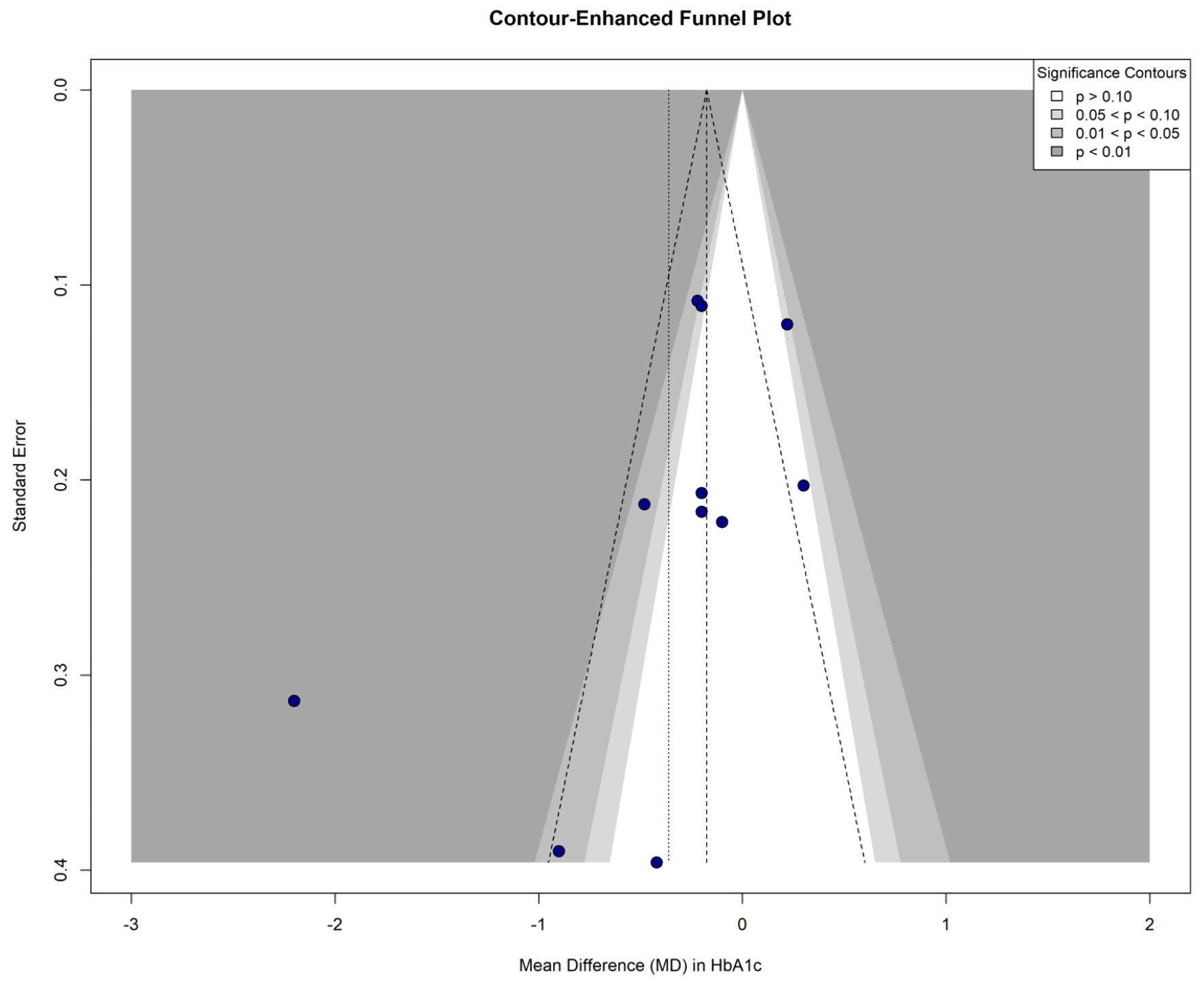 Click for large image | Figure 12. Contour-enhanced funnel plot for the meta-analysis of HbA1c to assess publication bias. Shaded regions correspond to significance levels (P < 0.01, P < 0.05, and P < 0.10). |
TSA
TSA for HbA1c (Fig. 13) was conducted to evaluate the sufficiency of the current evidence. The cumulative Z-curve (blue line) failed to cross the trial sequential monitoring boundaries for benefit or harm and did not reach the RIS, indicating that the current evidence is insufficient to draw a definitive conclusion regarding the superiority of CSII over MDI for glycemic control in pediatric T1DM, and further high-quality RCTs are needed to reach the requisite statistical power.
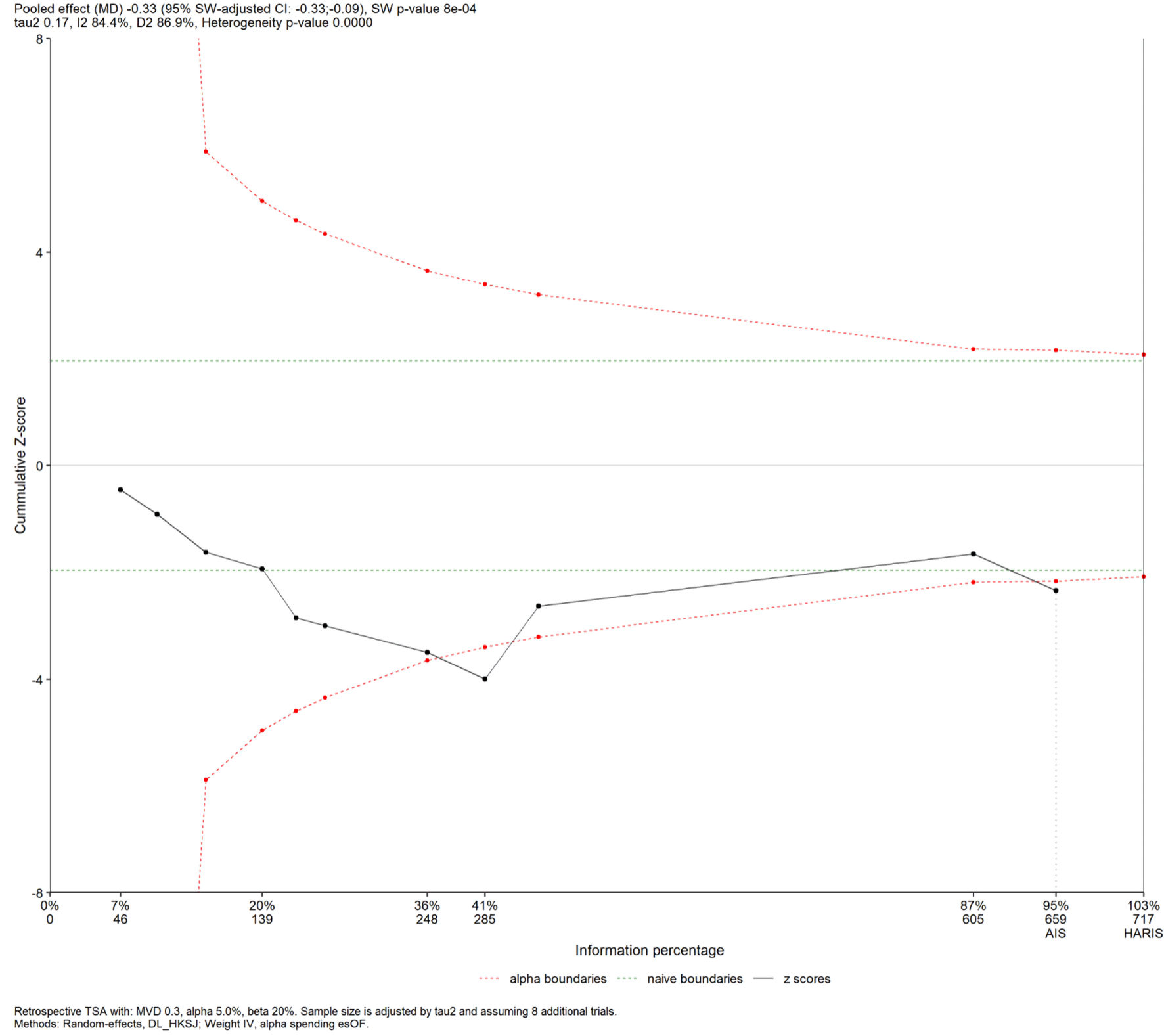 Click for large image | Figure 13. Trial sequential analysis (TSA) for HbA1c. The cumulative Z-curve (blue) is plotted against the information size. The red lines represent the trial sequential monitoring boundaries for benefit/harm and futility. |
Certainty of evidence (GRADE)
The certainty of evidence was evaluated using the GRADE approach (Table 2). The evidence for HbA1c was graded as moderate, downgraded due to the risk of bias (open-label nature). The evidence for severe hypoglycemia was graded as low due to imprecision (wide CIs crossing unity). Evidence for DKA was very low due to the rarity of events. Quality of life (QoL) outcomes were also graded as low due to heterogeneity in measurement tools.
Click to view | Table 2. GRADE Evidence Profile: Continuous Subcutaneous Insulin Infusion (CSII) vs. Multiple Daily Injections (MDI) for Pediatric Type 1 Diabetes |
| Discussion | ▴Top |
This systematic review, meta-analysis, and TSA provide the most rigorous and up-to-date evaluation of the comparative effectiveness of CSII versus MDI in pediatric T1DM. By synthesizing data from 14 RCTs, this study addresses the persistent ambiguity surrounding the superiority of insulin pumps in youth, a population characterized by distinct physiological and psychosocial challenges.
The novelty of this work lies in clarifying the strength of the randomized evidence that underpins it. By restricting the synthesis to pediatric-only RCTs and applying TSA, we demonstrate that the cumulative randomized evidence comparing conventional CSII with MDI remains formally inconclusive (RIS not reached), despite more than 20 years of trials. This finding provides a quantitative rationale for the field’s shift, reflected in the 2026 ADA Standards of Care [55], away from the conventional CSII-versus-MDI comparisons and toward automated insulin delivery (AID) as the preferred modality [55, 56], while identifying area in which future randomized evidence is still required.
Glycemic efficacy and clinical relevance
The primary meta-analysis of 11 RCTs revealed a modest reduction in HbA1c favoring CSII (MD, –0.36%), which approached but did not achieve statistical significance in the conservative random-effects model (95% CI, –0.80 to 0.08; P = 0.098). However, a leave-one-out sensitivity analysis demonstrated that this non-significant finding was influenced by a single large, pragmatic trial (Blair et al) [42], which reported a slight increase in HbA1c with CSII. When this study was excluded, the pooled effect shifted to a statistically significant reduction of –0.27% (P < 0.0001), aligning with findings from previous meta-analyses that favored CSII [7, 9, 21]. This discrepancy highlights the critical influence of trial design; pragmatic trials, such as those by Blair et al [42], reflect effectiveness where adherence and device complexity may attenuate benefits seen in tightly controlled efficacy trials. Furthermore, the TSA indicated that the current evidence base has not yet reached the RIS to conclusively confirm or refute a 0.3% reduction in HbA1c, suggesting that further high-quality RCTs are warranted to definitively settle this clinical question.
Safety profile: hypoglycemia and ketoacidosis
Safety remains a concern in the management of pediatric diabetes. The analysis found no statistically significant difference in the risk of severe hypoglycemia (RR = 0.83; 95% CI, 0.46 to 1.50) or DKA (RR = 1.40; 95% CI, 0.61 to 3.21) between CSII and MDI. The wide CIs, particularly for DKA, reflect the rarity of these events in clinical trials and result in a very low GRADE certainty rating. These findings challenge the historical concern that pump therapy carries a significantly higher risk of DKA due to the lack of a subcutaneous depot of long-acting insulin [18, 20]. Simultaneously, they temper the enthusiasm that CSII is a panacea for severe hypoglycemia, suggesting that modern MDI regimens with analogue insulins are a safe and viable alternative for many patients [4, 45].
QoL and patient-reported outcomes
QoL outcomes were heterogeneously reported across studies, precluding a robust meta-analysis. While some trials [41, 50, 53] reported significant improvements in treatment satisfaction and reduced diabetes-related family conflict with CSII, others [46, 42] found no significant difference in overall QoL scores. This variability reflects the psychosocial dynamics of pump therapy, which can simultaneously offer lifestyle flexibility and impose a burden of constant device attachment and visibility [10, 53]. Therefore, the decision to initiate CSII should be personalized, considering glycemic targets and the patient’s and family’s readiness and preference.
Global equity and the Middle East and North Africa (MENA) region
A notable gap in the randomized evidence is the absence of eligible pediatric RCTs from the MENA region, even though the incidence of type 1 diabetes in several MENA countries is among the highest worldwide [57]. In this region, pump and AID uptake remains far below the > 50–60% reported in the USA and Europe, driven less by clinical equipoise than by structural barriers: the high out-of-pocket costs of pumps and consumables, inconsistent reimbursement, limited availability of trained diabetes educators, and the intensive 24/7 technical support that sustained pump use requires [57, 58]. Regional data indicate that device malfunction, infusion-set issues, and consequent suboptimal adherence can attenuate the glycemic benefit otherwise expected from CSII [59]. Potential solutions include structured reimbursement and national procurement programs to reduce cost barriers, investment in specialist multidisciplinary teams and structured patient/caregiver education, tele-diabetes support to extend specialist reach in under-resourced settings, and locally generated pragmatic effectiveness and cost-effectiveness studies, particularly of AID systems, to inform regional policy and improve QoL for children with type 1 diabetes and their families [57].
Strengths
The primary strength of this study is its exclusive focus on RCTs and the application of TSA, which controls for type I and type II errors, a methodological advancement over prior reviews that often mixed observational data or failed to account for repetitive testing [7, 9].
Limitations
High statistical heterogeneity (I2 = 84.5%) for HbA1c suggests that clinical diversity (e.g., age groups, insulin types, and pump models) and methodological differences (parallel vs. crossover designs) significantly influence outcomes. The open-label nature of insulin delivery trials introduces an unavoidable risk of performance bias, as reflected in our risk of bias assessment.
In addition, the rapid evolution of diabetes technology over the past decade, including ultra-rapid and second-generation basal insulin analogues, widespread continuous glucose monitoring, and hybrid and advanced hybrid closed-loop (AID) systems, has outpaced the evidence derived from the older pump and MDI regimens evaluated in most of the included trials [21, 55]. Contemporary pediatric RCTs of AID demonstrate clinically meaningful gains in time-in-range and in the proportion of children achieving HbA1c < 7% without increased hypoglycemia [60–62], indicating that the modest CSII-versus-MDI differences reported underestimate the benefit achievable with modern automated systems.
A further limitation is the age of much of the underlying evidence: eight of the 14 included RCTs were published more than 20 years ago, and many MDI control arms used NPH-based regimens that are no longer standard of care [4, 8]. The dearth of contemporary head-to-head pediatric RCTs is an important finding of this review, as the comparator of clinical interest has since shifted from conventional CSII toward AID [55, 60, 61]; therefore, the present synthesis should be interpreted as characterizing the legacy CSII-versus-MDI evidence base rather than current best-available technology.
While the field moves toward automation, understanding the continuing role of conventional pumps is essential. Exact population-wide prevalence data comparing total CSII versus AID use remain sparse; however, within pediatric technology cohorts, the proportion of AID use is rising rapidly, with one recent registry noting that nearly 73% of pediatric automated system users are utilizing newer, non-calibration AID generations [63].
Despite strong evidence that AIDs provide superior glycemic outcomes compared to non-automated pumps, conventional CSII retains important practical and situational advantages. Standard CSII is often preferred in clinical contexts where automation algorithms are unavailable, unwanted, or considered off-label [64]. Additionally, CSII carries lower upfront costs than advanced AID systems paired with continuous glucose monitors [65]. For many families, standard CSII offers a highly accessible, simplified technological step that improves treatment satisfaction without the added device burdens and algorithmic complexities associated with AIDs [66].
Also, the geographic distribution of the evidence is skewed as the included trials originate almost exclusively from the USA, Western/Northern Europe, and Israel, with no eligible pediatric RCT from the MENA region, Sub-Saharan Africa, Latin America, or East Asia [57, 58]. This limits the external validity of the findings for health systems with different reimbursement structures, device availability, and access to specialist support and underscores the need for trials and real-world evaluations in underrepresented populations.
Conclusions
Current randomized evidence suggests that while CSII may offer a modest glycemic benefit over MDI in pediatric T1DM, this advantage is not definitive across all settings and does not come at the cost of increased safety risks. The choice between CSII and MDI should be shared, accounting for clinical goals, resource availability, and individual family preferences. Future research should prioritize large-scale RCTs comparing modern AID systems with state-of-the-art MDI regimens to maintain relevance in this rapidly advancing field. Notably, the 2026 ADA Standards of Care now recommend AID as the preferred insulin-delivery method for all people with type 1 diabetes; our TSA demonstrates why the conventional CSII-versus-MDI question never reached statistical resolution and reinforces that future research should compare modern AID systems against optimized MDI rather than re-examining legacy pump regimens. Future research should prioritize region-representative trials and cost-effectiveness analyses, especially in under-served populations such as the MENA region, to address barriers of cost, infrastructure, and ongoing support that currently limit equitable access to pump and AID therapy.
| Supplementary Material | ▴Top |
Suppl 1. PRISMA 2020 checklist.
Acknowledgments
The authors would like to thank all the patients, clinical staff, and researchers involved in the original RCTs that made this systematic review and meta-analysis possible.
Financial Disclosure
This research received no external funding from public, commercial, or non-profit agencies. It was conducted using the authors’ own resources.
Conflict of Interest
The authors declare no conflicts of interest or personal relationships that could have influenced the findings of this study.
Informed Consent
As this study involved a secondary analysis of published literature, neither ethical approval nor patient consent was required.
Author Contributions
Z.H.F. served as the project administrator, conceived the study design, and contributed to the methodology, formal analysis, and writing of the original draft. Y.A.A. and M.H.S.A.A. provided supervision, contributed to the study design, and assisted with writing and editing. A.S.A.M. contributed to the conceptualization, methodology, software, formal analysis, visualization, and editing. L.A.A., K.M.S.A., and L.A. managed the software, resources, and visualization. A.M.M., N.M.T.A., and M.M.A. performed the investigation, data curation, and validation. All authors contributed to the review and editing of the manuscript and approved the final version for submission.
Data Availability
All data analyzed are included in this article and its supplementary files. Search strategies and extraction forms are available from the corresponding author upon request.
Abbreviations
BMI: body mass index; CGMS: continuous glucose monitoring system; CI: confidence interval; CSII: continuous subcutaneous insulin infusion; DCCT: Diabetes Control and Complications Trial; DKA: diabetic ketoacidosis; GRADE: Grades of Recommendations Assessment, Development, and Evaluation; HbA1c: glycated hemoglobin; HKSJ: Hartung–Knapp–Sidik–Jonkman; HRQoL: health-related quality of life; MD: mean difference; MDI: multiple daily injections; NPH: neutral protamine Hagedorn; PI: prediction interval; PRISMA: Preferred Reporting Items for Systematic Reviews and Meta-Analyses; QoL: quality of life; RCT: randomized controlled trial; REML: restricted maximum likelihood; RIS: required information size; RoB 2: risk of bias 2.0; RR: risk ratio; SMD: standardized mean difference; T1DM: type 1 diabetes mellitus; TDD: total daily dose; TSA: trial sequential analysis
| References | ▴Top |
- Chiarelli F, Marcovecchio L. Type 1 Diabetes: Clinical and Experimental. In: Carel JC, Hochberg Z (eds). Yearbook of Pediatric Endocrinology 2011: Endorsed by the European Society for Paediatric Endocrinology (ESPE). S.Karger AG; 2011.
doi - Alnaim N, Al Ghadeer HA, Al-Bunyan AA, Almulhem A, Alsaleh Y, AlHelal M, Almugaizel I, et al. Effectiveness of insulin pump therapy versus multiple daily injections for glycemic control and rate of diabetic ketoacidosis among children with type 1 diabetes mellitus. Cureus. 2024;16(2):e54123.
doi pubmed - Nahata L. Insulin therapy in pediatric patients with type I diabetes: continuous subcutaneous insulin infusion versus multiple daily injections. Clin Pediatr (Phila). 2006;45(6):503-508.
doi pubmed - Gong CX, Wei LY, Wu D, Cao BY, Meng X, Wang LL. Effectiveness of multiple daily injections or continuous subcutaneous insulin infusion for children with type 1 diabetes mellitus in clinical practice. Int J Endocrinol. 2014;2014:526591.
doi pubmed - Foran J, Egan A, Somers E, O'Connell SM. Close intervention sessions complement intensive insulin therapy in paediatric diabetes: a longitudinal study. Arch Dis Child. 2023;108(10):818-823.
doi pubmed - Li A, Tsang CH. The effectiveness of continuous subcutaneous insulin infusion on quality of life of families and glycaemic control among children with type 1 diabetes: a systematic review. JBI Libr Syst Rev. 2011;9(48 Suppl):1-24.
doi - Qin Y, Yang LH, Huang XL, Chen XH, Yao H. Efficacy and Safety of Continuous Subcutaneous Insulin Infusion vs. Multiple Daily Injections on Type 1 Diabetes Children: A Meta-Analysis of Randomized Control Trials. J Clin Res Pediatr Endocrinol. 2018;10(4):316-323.
doi pubmed - Garcia-Garcia E, Galera R, Aguilera P, Cara G, Bonillo A. Long-term use of continuous subcutaneous insulin infusion compared with multiple daily injections of glargine in pediatric patients. J Pediatr Endocrinol Metab. 2007;20(1):37-40.
doi pubmed - Pankowska E, Blazik M, Dziechciarz P, Szypowska A, Szajewska H. Continuous subcutaneous insulin infusion vs. multiple daily injections in children with type 1 diabetes: a systematic review and meta-analysis of randomized control trials. Pediatr Diabetes. 2009;10(1):52-58.
doi pubmed - Johnson SR, Cooper MN, Jones TW, Davis EA. Long-term outcome of insulin pump therapy in children with type 1 diabetes assessed in a large population-based case-control study. Diabetologia. 2013;56(11):2392-2400.
doi pubmed - Fendler W, Baranowska AI, Mianowska B, Szadkowska A, Mlynarski W. Three-year comparison of subcutaneous insulin pump treatment with multi-daily injections on HbA1c, its variability and hospital burden of children with type 1 diabetes. Acta Diabetol. 2012;49(5):363-370.
doi pubmed - Siddig AA, Bui TDMP, Readon DR, et al. Analytical comparison of continuous subcutaneous insulin infusion and multiple daily injections in children and adolescents with type I diabetes mellitus. J Drug Res Dev. 2020;6.
doi - Turan H, Tarcin G, Dagdeviren Cakir A, et al. Assessment of two different insulin regimens in children with type 1 diabetes: a longitudinal study. Ann Med Res. 2022;29:103-107.
doi - Jakisch BI, Wagner VM, Heidtmann B, Lepler R, Holterhus PM, Kapellen TM, Vogel C, et al. Comparison of continuous subcutaneous insulin infusion (CSII) and multiple daily injections (MDI) in paediatric Type 1 diabetes: a multicentre matched-pair cohort analysis over 3 years. Diabet Med. 2008;25(1):80-85.
doi pubmed - Brorsson AL, Viklund G, Ortqvist E, Lindholm Olinder A. Does treatment with an insulin pump improve glycaemic control in children and adolescents with type 1 diabetes? A retrospective case-control study. Pediatr Diabetes. 2015;16(7):546-553.
doi pubmed - Hu S, Yang H, Chen Z, Leng X, Li C, Qiao L, Lv W, et al. Clinical outcome and cost-effectiveness analysis of CSII versus MDI in children and adolescent with type 1 diabetes mellitus in a public health care system of China. Front Endocrinol (Lausanne). 2021;12:604028.
doi pubmed - Schreiver C, Jacoby U, Watzer B, Thomas A, Haffner D, Fischer DC. Glycaemic variability in paediatric patients with type 1 diabetes on continuous subcutaneous insulin infusion (CSII) or multiple daily injections (MDI): a cross-sectional cohort study. Clin Endocrinol (Oxf). 2013;79(5):641-647.
doi pubmed - Nimri R, Weintrob N, Benzaquen H, Ofan R, Fayman G, Phillip M. Insulin pump therapy in youth with type 1 diabetes: a retrospective paired study. Pediatrics. 2006;117(6):2126-2131.
doi pubmed - Sulli N, Shashaj B. Long-term benefits of continuous subcutaneous insulin infusion in children with Type 1 diabetes: a 4-year follow-up. Diabet Med. 2006;23(8):900-906.
doi pubmed - Majedah MA, Mousa M, Al-Mahdi M, Al-Sanaa H, Dalia A-A, Al-Kandari H. A comparison of continuous subcutaneous insulin infusion vs. multiple daily insulin injection in children with type 1 diabetes in Kuwait: glycemic control, insulin requirement, and BMI. Oman Med J. 2015;30(5):336-343.
doi pubmed - Calderon Martinez E, Saji SZ, Samano Sanchez M, Nieto M, Hammoud A, De la Rosa-Valdez E, Briceno Silva G, et al. Continuous subcutaneous insulin infusion versus multiple daily injections for glycemic control in pediatric patients with type 1 diabetes mellitus: a systematic review, meta-analysis, and trial sequential analysis. AACE Endocrinol Diabetes. 2026;13(2):242-252.
doi pubmed - Mathew JL. Continuous vs. intermittent insulin delivery in children and adolescents with type 1 diabetes mellitus: evidence-based medicine viewpoint. Indian Pediatr. 2019;56(7):595-599.
pubmed - Page MJ, McKenzie JE, Bossuyt PM, et al. The PRISMA 2020 statement: an updated guideline for reporting systematic reviews. JAMA. 2021;325:1090-1097.
doi - McHugh ML. Interrater reliability: the kappa statistic. Biochem Med (Zagreb). 2012;22(3):276-282.
pubmed - Sterne JAC, Savovic J, Page MJ, Elbers RG, Blencowe NS, Boutron I, Cates CJ, et al. RoB 2: a revised tool for assessing risk of bias in randomised trials. BMJ. 2019;366:l4898.
doi pubmed - Viechtbauer W. Bias and efficiency of meta-analytic variance estimators in the random-effects model. J Educ Behav Stat. 2005;30:261-293.
doi - DerSimonian R, Laird N. Meta-analysis in clinical trials. Control Clin Trials. 1986;7(3):177-188.
doi pubmed - IntHout J, Ioannidis JP, Borm GF. The Hartung-Knapp-Sidik-Jonkman method for random effects meta-analysis is straightforward and considerably outperforms the standard DerSimonian-Laird method. BMC Med Res Methodol. 2014;14:25.
doi pubmed - IntHout J, Ioannidis JP, Rovers MM, Goeman JJ. Plea for routinely presenting prediction intervals in meta-analysis. BMJ Open. 2016;6(7):e010247.
doi pubmed - Cochran WG. The combination of estimates from different experiments. Biometrics. 1954;10:101-129.
doi - Higgins JP, Thompson SG, Deeks JJ, Altman DG. Measuring inconsistency in meta-analyses. BMJ. 2003;327(7414):557-560.
doi pubmed - Borenstein M, Hedges LV, Higgins JP, Rothstein HR. A basic introduction to fixed-effect and random-effects models for meta-analysis. Res Synth Methods. 2010;1(2):97-111.
doi pubmed - Higgins JPT, Thomas J, Chandler J, et al. Cochrane handbook for systematic reviews of interventions, 2nd ed.; John Wiley & Sons. 2019.
doi - Patsopoulos NA, Evangelou E, Ioannidis JP. Sensitivity of between-study heterogeneity in meta-analysis: proposed metrics and empirical evaluation. Int J Epidemiol. 2008;37(5):1148-1157.
doi pubmed - Sterne JA, Sutton AJ, Ioannidis JP, Terrin N, Jones DR, Lau J, Carpenter J, et al. Recommendations for examining and interpreting funnel plot asymmetry in meta-analyses of randomised controlled trials. BMJ. 2011;343:d4002.
doi pubmed - Egger M, Davey Smith G, Schneider M, Minder C. Bias in meta-analysis detected by a simple, graphical test. BMJ. 1997;315(7109):629-634.
doi pubmed - Begg CB, Mazumdar M. Operating characteristics of a rank correlation test for publication bias. Biometrics. 1994;50(4):1088-1101.
pubmed - Wetterslev J, Jakobsen JC, Gluud C. Trial Sequential Analysis in systematic reviews with meta-analysis. BMC Med Res Methodol. 2017;17(1):39.
doi pubmed - Guyatt GH, Oxman AD, Vist GE, Kunz R, Falck-Ytter Y, Alonso-Coello P, Schunemann HJ, et al. GRADE: an emerging consensus on rating quality of evidence and strength of recommendations. BMJ. 2008;336(7650):924-926.
doi pubmed - R Core Team. R: a language and environment for statistical computing; R Foundation for Statistical Computing, 2026. Available online: https://www.R-project.org/.
- Taeb S, Mersheg A, Ajaj K. Comparison between continuous subcutaneous insulin infusion versus multiple daily insulin injection effects on the quality of life in Libyan children with type 1 diabetes mellitus. Alqalam J Med Appl Sci. 2025;8:953-957.
doi - Blair JC, McKay A, Ridyard C, Thornborough K, Bedson E, Peak M, Didi M, et al. Continuous subcutaneous insulin infusion versus multiple daily injection regimens in children and young people at diagnosis of type 1 diabetes: pragmatic randomised controlled trial and economic evaluation. BMJ. 2019;365:l1226.
doi pubmed - Weintrob N, Schechter A, Benzaquen H, Shalitin S, Lilos P, Galatzer A, Phillip M. Glycemic patterns detected by continuous subcutaneous glucose sensing in children and adolescents with type 1 diabetes mellitus treated by multiple daily injections vs continuous subcutaneous insulin infusion. Arch Pediatr Adolesc Med. 2004;158(7):677-684.
doi pubmed - Weintrob N, Benzaquen H, Galatzer A, Shalitin S, Lazar L, Fayman G, Lilos P, et al. Comparison of continuous subcutaneous insulin infusion and multiple daily injection regimens in children with type 1 diabetes: a randomized open crossover trial. Pediatrics. 2003;112(3 Pt 1):559-564.
doi pubmed - Doyle EA, Weinzimer SA, Steffen AT, Ahern JA, Vincent M, Tamborlane WV. A randomized, prospective trial comparing the efficacy of continuous subcutaneous insulin infusion with multiple daily injections using insulin glargine. Diabetes Care. 2004;27(7):1554-1558.
doi pubmed - DiMeglio LA, Pottorff TM, Boyd SR, France L, Fineberg N, Eugster EA. A randomized, controlled study of insulin pump therapy in diabetic preschoolers. J Pediatr. 2004;145(3):380-384.
doi pubmed - Fox LA, Buckloh LM, Smith SD, Wysocki T, Mauras N. A randomized controlled trial of insulin pump therapy in young children with type 1 diabetes. Diabetes Care. 2005;28(6):1277-1281.
doi pubmed - Wilson DM, Buckingham BA, Kunselman EL, Sullivan MM, Paguntalan HU, Gitelman SE. A two-center randomized controlled feasibility trial of insulin pump therapy in young children with diabetes. Diabetes Care. 2005;28(1):15-19.
doi pubmed - Nabhan ZM, Kreher NC, Greene DM, Eugster EA, Kronenberger W, DiMeglio LA. A randomized prospective study of insulin pump vs. insulin injection therapy in very young children with type 1 diabetes: 12-month glycemic, BMI, and neurocognitive outcomes. Pediatr Diabetes. 2009;10(3):202-208.
doi pubmed - Skogsberg L, Fors H, Hanas R, Chaplin JE, Lindman E, Skogsberg J. Improved treatment satisfaction but no difference in metabolic control when using continuous subcutaneous insulin infusion vs. multiple daily injections in children at onset of type 1 diabetes mellitus. Pediatr Diabetes. 2008;9(5):472-479.
doi pubmed - Nuboer R, Borsboom GJ, Zoethout JA, Koot HM, Bruining J. Effects of insulin pump vs. injection treatment on quality of life and impact of disease in children with type 1 diabetes mellitus in a randomized, prospective comparison. Pediatr Diabetes. 2008;9(4 Pt 1):291-296.
doi pubmed - Cohen D, Weintrob N, Benzaquen H, Galatzer A, Fayman G, Phillip M. Continuous subcutaneous insulin infusion versus multiple daily injections in adolescents with type I diabetes mellitus: a randomized open crossover trial. J Pediatr Endocrinol Metab. 2003;16(7):1047-1050.
doi pubmed - Mueller-Godeffroy E, Vonthein R, Ludwig-Seibold C, Heidtmann B, Boettcher C, Kramer M, Hessler N, et al. Psychosocial benefits of insulin pump therapy in children with diabetes type 1 and their families: The pumpkin multicenter randomized controlled trial. Pediatr Diabetes. 2018;19(8):1471-1480.
doi pubmed - de Beaufort CE, Houtzagers CM, Bruining GJ, Aarsen RS, den Boer NC, Grose WF, van Strik R, et al. Continuous subcutaneous insulin infusion (CSII) versus conventional injection therapy in newly diagnosed diabetic children: two-year follow-up of a randomized, prospective trial. Diabet Med. 1989;6(9):766-771.
doi pubmed - American Diabetes Association Professional Practice Committee for Diabetes. 7. Diabetes technology: standards of care in diabetes-2026. Diabetes Care. 2026;49(Suppl 1):S150-S165.
doi pubmed - American Diabetes Association Professional Practice Committee for Diabetes. 14. Children and adolescents: standards of care in diabetes-2026. Diabetes Care. 2026;49(Suppl 1):S297-S320.
doi pubmed - Al-Sofiani ME, Al-Murashi AM, Al-Agil NA, Al-Othman AO, Al-Faris SY, Al-Enzi AM. Diabetes technology in saudi arabia: current status and future directions. J Diabetes Sci Technol. 2025.
doi pubmed - Odhaib SA, Masood SN, Shegem N, et al. The status of insulin access in middle East-North Africa region. Journal of Diabetology. 2022;13(Suppl 1):S48-S61.
doi - Al-Saleh Y, Al Motairi F, Hassan E, Al Sohaim A, Al Anazi I, Al Masoud A, Al Wohabe R, et al. Insulin pump therapy issues among adults with type 1 diabetes mellitus in Saudi Arabia: a retrospective study. Diabetes Ther. 2020;11(12):2993-3001.
doi pubmed - Wadwa RP, Reed ZW, Buckingham BA, DeBoer MD, Ekhlaspour L, Forlenza GP, Schoelwer M, et al. Trial of hybrid closed-loop control in young children with type 1 diabetes. N Engl J Med. 2023;388(11):991-1001.
doi pubmed - Ware J, Allen JM, Boughton CK, Wilinska ME, Hartnell S, Thankamony A, de Beaufort C, et al. Randomized trial of closed-loop control in very young children with type 1 diabetes. N Engl J Med. 2022;386(3):209-219.
doi pubmed - Ferreira ROM, Trevisan T, Pasqualotto E, et al. Efficacy of the hybrid closed-loop insulin delivery system in children and adolescents with type 1 diabetes: a meta-analysis with trial sequential analysis. Arch Endocrinol Metab. 2024;68:e230353.
doi - Luhrs T, Kordonouri O, von dem Berge T, Remus K, Biester S, Kapitzke K, Danne T, et al. Long-term glycemic outcomes in pediatric type 1 diabetes: a 2-year real-world analysis of different automated insulin delivery systems generations. Diabetes Technol Ther. 2026;28(3):219-227.
doi pubmed - Wong M, Maayeh MG, Saade GR, Saad A. A practical approach to insulin pump, continuous glucose monitoring, and automated insulin delivery in the management of type 1 diabetes in pregnancy. Am J Perinatol. 2026;43(8):1072-1081.
doi pubmed - Vallivaara HL, Leppanen HA, Mustonen J, Saari A, Martikainen J, Rintamaki RM. Long-term health economic evaluation of automated insulin delivery system compared with continuous subcutaneous insulin infusion pumps and CGM in a real-world setting in Finnish paediatric and adult individuals with type 1 diabetes. Diabetes Obes Metab. 2025;27(9):4793-4801.
doi pubmed - Barnard-Kelly K, Thienel F, Mader JK, Oliver N, Franek E, Vesper I, Dagenbach N, et al. A three-arm randomized controlled study comparing patient-reported outcomes in people with type 1 diabetes using continuous subcutaneous insulin infusion or multiple daily injections. J Diabetes Sci Technol. 2025;19(5):1310-1316.
doi pubmed
This article is distributed under the terms of the Creative Commons Attribution 4.0 International License (CC BY 4.0), which permits unrestricted use, distribution, and reproduction in any medium, including commercial use, provided the original work is properly cited.
Journal of Clinical Medicine Research is published by Elmer Press Inc.