| Journal of Clinical Medicine Research, ISSN 1918-3003 print, 1918-3011 online, Open Access |
| Article copyright, the authors; Journal compilation copyright, J Clin Med Res and Elmer Press Inc |
| Journal website https://jocmr.elmerjournals.com |
Review
Volume 18, Number 12, December 2026, pages 881-894

Red Blood Cell Alloimmunization in Transfused Chronic Kidney Disease: A 2021–2026 Scoping Review
Vitasari Indriania, b  , Wahyu Siswandaria , Tri Lestaria , Nor Sri Inayatia
aFaculty of Medicine, Jenderal Soedirman University, Purwokerto, Indonesia
bCorresponding Author: Vitasari Indriani, Faculty of Medicine, Jenderal Soedirman University, Jl. Dr. Gumbreg No. 1, Mersi, Purwokerto, Banyumas, Central Java, Indonesia
Manuscript submitted August 28, 2026, accepted October 20, 2026, published online November 27, 2026
Short title: RBC Alloimmunization in CKD
doi: https://doi.org/10.14740/jocmr6718
| Abstract | ▴Top |
Red blood cell (RBC) alloantibodies can complicate transfusion and kidney transplantation. We mapped studies published during 2021–2026 reporting RBC alloimmunization among transfused patients with chronic kidney disease (CKD). This scoping review used JBI guidance and the PRISMA-ScR reporting framework. Searches of Scopus, Web of Science Core Collection, and PubMed/MEDLINE identified 41 records; 35 were unique, 19 underwent topic screening, and six studies were included. Eligibility was limited to English-language human journal articles published in 2021–2026. The search-export audit, rather than independent platform-specific search logs, defined the operational search date. Heterogeneous evidence was mapped descriptively by study role. Two dedicated CKD cohorts detected RBC alloantibodies in 14/235 (5.9%) and 10/141 (7.1%) patients. Two mixed-cohort CKD subgroups reported 0/25 and two antibody-positive patients (6.3% of the subgroup), respectively. Antibody specificity varied: Rh antibodies were reported in Burkina Faso, while anti-K was prominent in Uganda. A renal-failure determinant study found an association between renal replacement therapy and lower first-time alloimmunization (adjusted relative rate 0.62, 95% confidence interval (CI) 0.45–0.88); causality cannot be inferred. A transplant case illustrated difficulties obtaining compatible RBC units. The published CKD-specific evidence is limited and methodologically heterogeneous; publication years do not necessarily reflect the periods of patient data collection. Established transfusion practice supports maintaining antibody histories and supplying antigen-negative RBCs when clinically significant antibodies are known, but CKD-specific comparative effectiveness evidence is lacking. The included studies do not support universal prophylactic extended matching or genotyping.
Keywords: Alloantibodies; Alloimmunization; CKD; Red blood cell; Transfusion
| Introduction | ▴Top |
Chronic kidney disease (CKD) is a progressive disorder in which declining kidney function is accompanied by systemic metabolic, cardiovascular, inflammatory, and hematologic consequences. Anemia becomes increasingly common as kidney function deteriorates and is particularly prominent in advanced CKD and kidney failure. Its management now combines iron replacement, erythropoiesis-stimulating agents, hypoxia-inducible factor prolyl-hydroxylase inhibitors, and selective red blood cell (RBC) transfusion rather than treating transfusion as a stand-alone response to a hemoglobin threshold [1].
Although advances in anemia therapy have reduced transfusion dependence, RBC transfusion remains necessary when anemia is severe, symptomatic, rapidly progressive, refractory to medical therapy, or requires urgent correction. Repeated transfusion can therefore remain part of the clinical trajectory of patients with advanced CKD, particularly during bleeding, hospitalization, inflammation, malignancy, surgery, or poor response to erythropoietic therapy [1].
Each donor RBC unit can expose a recipient to non-self-erythrocyte antigens. When immune recognition leads to a durable alloantibody response, subsequent compatibility testing may become more complex and antigen-negative units may be required. The probability and clinical consequences of alloimmunization vary with antigen immunogenicity, recipient biology, inflammatory context, prior sensitization, and the persistence or evanescence of antibodies [2, 3].
Historical CKD reports demonstrate why a contemporary evidence map is needed. A hemodialysis series published in 1988 documented red-cell alloimmunization in chronic renal failure [4]. Later pre-2021 CKD cohorts reported frequencies of 3.2% in Nigeria, approximately 6% in Bali, and 12% in Malaysia, with differing antibody patterns and associated factors [5–7]. These studies are clinically informative historical context, but they fall outside the prespecified 2021–2026 evidence window of the present review and are not used as included Results evidence. The publication-date restriction is intended to map recently published evidence, not to establish when the underlying clinical data were collected; the resulting synthesis is not an all-years review of CKD alloimmunization.
Broader transfusion research shows that exposure alone does not determine alloimmunization. Antigen dose and immunogenicity influence risk [8], recipient characteristics modify susceptibility [9], and genetic variation can shape antigen-specific responsiveness [10]. Antibody detection is also time-dependent because newly formed antibodies may later become undetectable [11]. These observations are particularly relevant to CKD, where repeated antigen exposure can coexist with uremia, renal replacement therapy (RRT), inflammation, and other modifiers of immune responsiveness.
Laboratory technology adds another layer of heterogeneity. Serologic antibody screening and identification remain foundational, whereas RBC genotyping can support antigen definition when recent transfusion, variant antigens, complex serology, or donor-selection problems limit conventional phenotyping [12, 13]. Population structure and transfusion practice can also alter observed alloantibody prevalence over time [14].
The clinically relevant unit of evidence is therefore not prevalence alone, but the joint distribution of antibody specificity, host responsiveness, laboratory detectability, and compatibility burden. This review was designed to map contemporary evidence on: (1) the reported frequency of detectable RBC alloantibodies among transfused CKD patients; (2) reported antibody specificities; (3) patient-, renal-, and transfusion-related factors; (4) detection and typing approaches; (5) transfusion or transplant consequences; and (6) evidence gaps relevant to prevention. The aim was to construct a study-role-specific map of recently published CKD evidence rather than to generate a pooled prevalence estimate.
| Methods | ▴Top |
Review design and reporting framework
A scoping-review design was selected because the objective was to identify and map a heterogeneous body of evidence rather than estimate a single intervention effect. This choice is consistent with guidance that scoping reviews are appropriate for determining the scope and characteristics of a literature base and identifying evidence gaps [15]. Methods were developed with reference to updated JBI guidance [16], and reporting was aligned with the PRISMA extension for scoping reviews (PRISMA-ScR) [17].
Search strategy
The primary evidence corpus was derived from Scopus, Web of Science Core Collection, and PubMed/MEDLINE. The database exports used for the final review corpus were finalized and audited on August 28, 2026, which is treated as the operational search date for this report. The supplied corpus contained 19 Scopus records, 20 Web of Science records, and two PubMed records (41 database records in total). The search combined three concepts: CKD/kidney failure, RBC transfusion, and RBC alloimmunization/alloantibodies. No prevalence term was required because relevant studies may report frequency only in their results. The numbers reported here are the available exported-record counts, not verified counts from archived, platform-specific prefilter search histories. The available query expressions, exported record counts, and remaining reproducibility gaps are documented in the Supplementary Material 1 (jocmr.elmerjournals.com).
Scopus: TITLE-ABS-KEY (("chronic kidney disease" OR CKD OR "chronic renal failure" OR "kidney failure" OR "end stage renal disease" OR ESRD OR "dialysis patient*" OR hemodialysis OR haemodialysis) AND ("red blood cell transfusion*" OR "red cell transfusion*" OR "packed red blood cell*" OR "packed cell*" OR "multiple transfusion*" OR "repeated transfusion*" OR "multiply transfused") AND ("red blood cell alloimmunization" OR "red cell alloimmunization" OR alloimmunization OR alloimmunisation OR alloantibod*)).
Web of Science Core Collection: ("chronic kidney disease" OR CKD OR "chronic renal disease" OR "chronic renal failure" OR "renal failure" OR "kidney failure" OR "end stage renal disease" OR ESRD OR dialysis OR hemodialysis OR haemodialysis) AND ("blood transfusion" OR "red blood cell transfusion" OR "red cell transfusion" OR "packed red blood cell*" OR transfusion*) AND (alloimmunization OR alloimmunisation OR alloantibod* OR "red cell antibod*" OR "red blood cell antibod*").
PubMed/MEDLINE: (("chronic kidney disease" OR CKD OR "chronic renal disease" OR "chronic renal failure" OR "renal failure" OR "kidney failure" OR "end stage renal disease" OR ESRD OR dialysis OR hemodialysis OR haemodialysis) AND ("blood transfusion" OR "red blood cell transfusion" OR "red cell transfusion" OR "packed red blood cell*" OR transfusion*) AND (alloimmunization OR alloimmunisation OR alloantibod* OR "red cell antibod*" OR "red blood cell antibod*")).
Limits were 2021–2026 publication year, English language, human evidence, and journal Article document type. Where a platform filter was not available in the exported record set, the criterion was applied during screening. Backward and forward citation checking was used only as supplementary verification/discovery; it did not add studies to the primary included set. ScienceDirect was not treated as a primary database and is not included in the PRISMA counts. Search-field settings, platform-specific execution timestamps, and prefilter counts are not retained in the available review documentation; accordingly, the reported search cannot be fully independently reproduced from these exports alone.
Eligibility criteria
Eligibility followed population–concept–context logic. The population comprised patients with CKD, chronic renal failure, kidney failure, end-stage kidney disease, or dialysis-dependent chronic renal disease who had received RBC or packed-RBC transfusion. The concept was RBC alloimmunization, including frequency, antibody detection or specificity, associated factors, compatibility consequences, extended phenotyping/genotyping, or transfusion-management implications. Relevant contexts included nephrology, dialysis, transfusion service, blood bank, hospital, and transplant-related care.
Included records were human, English-language journal Articles published from 2021 through 2026 and had to contain CKD- or renal-failure-specific RBC evidence that was directly extractable or a clinically informative CKD case relevant to compatibility management. “Article” referred to the indexed publication document type rather than a restriction to one epidemiological design; therefore, a case report could be eligible when published and indexed as a journal Article. Reviews, editorials, letters without primary data, conference material, dissertations, nonhuman studies, and studies focused exclusively on human leukocyte antigen (HLA), platelet, or non-RBC sensitization were excluded from the mapped evidence. Mixed populations were eligible only when CKD-specific findings were separable or renal failure itself was the prespecified determinant of RBC alloimmunization. The publication window defines the scope of recently published evidence rather than an interval of patient recruitment or transfusion exposure. Exclusion of earlier studies, non-English reports, and other document types limits comprehensiveness.
Screening, deduplication, and source verification
Duplicate occurrences were identified primarily by DOI and secondarily by normalized title, author, year, and journal. Six duplicate occurrences were removed from 41 database records, leaving 35 unique records. Bibliographic screening then excluded 14 records published outside 2021–2026 and two non-Article records, leaving 19 records for title-, abstract-, keyword-, and metadata-level relevance screening. Thirteen records were excluded because they did not provide an eligible intersection of CKD/renal failure, RBC transfusion, and RBC alloimmunization or a separable CKD-specific contribution. Six studies entered the reported evidence set [18–23].
The six candidate studies were checked against full text when accessible and otherwise against indexed source records; consequently, source verification was not equivalent across all studies. Available review documentation does not establish whether two reviewers independently screened each record, whether a standardized screening form was used, or how disagreements were adjudicated. These procedural details cannot be reconstructed reliably from the supplied exports. Quantitative values were retained only when explicitly available in the consulted sources, and missing fields were not imputed. The absence of an auditable, uniform full-text screening record limits reproducibility. The reported identification and screening sequence is summarized in Figure 1.
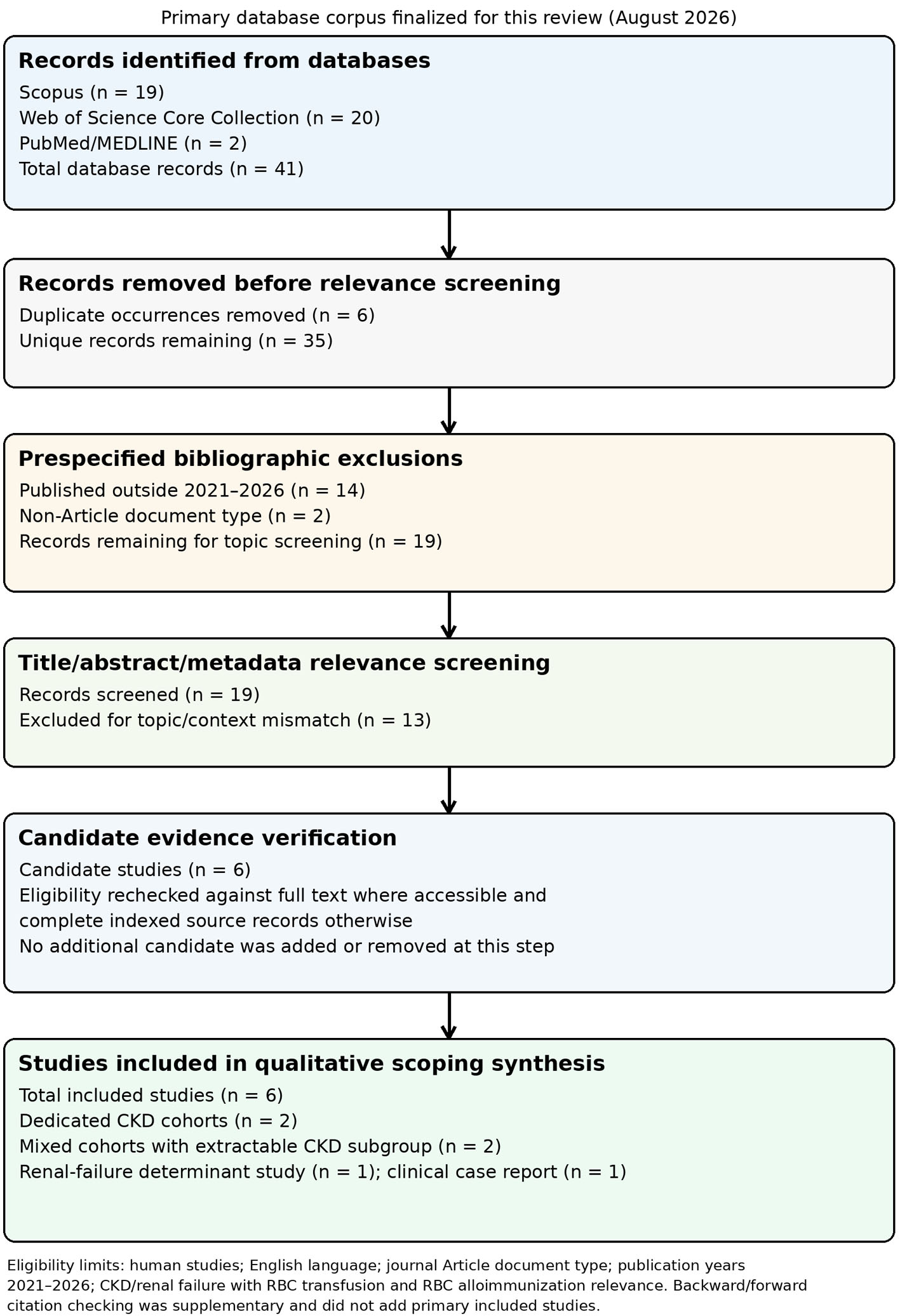 Click for large image | Figure 1. PRISMA-ScR flow of study identification and selection. Forty-one database records yielded 35 unique records after six duplicate occurrences were removed. Sixteen records failed prespecified bibliographic criteria, 19 underwent topic screening, and six studies entered the qualitative scoping synthesis. Supplementary citation checking did not add primary included studies. |
Data charting and evidence roles
A structured charting framework captured author/year, country, design, population, CKD/dialysis/RRT characterization, transfusion exposure, sample size, alloimmunization numerator and denominator where available, antibody specificity, laboratory method, associated factors, effect estimates, compatibility consequences, and preventive or management strategies. Data were preserved at the level reported by each study; missing information was coded as not reported rather than imputed.
To prevent epidemiologically incomparable evidence from being merged, every included source was assigned an evidence role: dedicated CKD cross-sectional cohort, mixed cohort with an extractable CKD subgroup, renal-failure determinant study, or CKD clinical case. Population frequencies were reported only when a CKD-specific denominator was available. Case-level evidence was used for clinical compatibility consequences and not for population-frequency inference. The term “frequency” denotes the proportion with detectable antibodies at study assessment; it is not interpreted as prospective incidence.
Synthesis and methodological calibration
Synthesis was descriptive and thematic; no meta-analysis was undertaken because designs, populations, laboratory methods, and outcome definitions were materially heterogeneous. Findings were organized into four domains: epidemiology/evidence role; alloantibody specificity; patient-, renal-, and transfusion-related determinants; and detection, compatibility, and management. Studies outside the 2021–2026 eligibility window or without CKD-specific data were confined to the Introduction, Conceptual background, and Discussion and were not used as Results evidence.
No formal risk-of-bias instrument or summary quality score was applied. For each of the six studies, interpretability was considered in terms of CKD specificity, study design, availability of an at-risk denominator, transfusion-exposure characterization, confounder adjustment, laboratory detection, and reporting completeness (Table 1). These descriptive judgments are not validated risk-of-bias ratings. Dedicated CKD cohorts inform detected-antibody frequency, mixed cohorts supply subgroup observations, the renal-failure study supplies an adjusted association, and the transplant report supplies only case-level compatibility evidence.
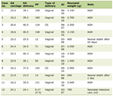 Click to view | Table 1. Descriptive Assessment of the Interpretability of the Six Included Studies (Not a Formal Risk-of-Bias Rating) |
| Conceptual and Clinical Background | ▴Top |
Alloimmune biology and blood-group architecture
RBC alloimmunization depends on antigenic exposure and recipient immune responsiveness. Blood-group antigen immunogenicity and host characteristics vary [8–10]. Clinically significant antibodies may persist in the patient’s history after falling below current detection thresholds [3, 11].
Relevant non-ABO systems include Rh, Kell, Kidd, Duffy, and MNS. RhD matching alone does not preclude antibodies to other Rh antigens, including C, c, E, and e.
CKD as an exposure–responsiveness problem
In CKD, repeated transfusion exposure may coexist with altered immunity, comorbidity, inflammation, and RRT. The observational association of renal failure and RRT with reduced first-time detectable alloimmunization [18] does not establish a protective effect of dialysis and may be confounded by patient and transfusion factors.
Antigen exposure, previous sensitization, timing of antibody sampling, and testing sensitivity can affect whether an antibody is detected.
Laboratory and geographic heterogeneity
Following recent transfusion, donor RBCs may complicate serologic phenotyping. Molecular genotyping can support selected cases of uncertain antigen type or complex compatibility [12, 13], but evidence of technical utility does not establish a CKD-wide preventive benefit.
Population antigen frequencies and laboratory platforms differ across settings [14], limiting the direct comparison of antibody patterns. The proposed biological and laboratory pathways are summarized in Figure 2.
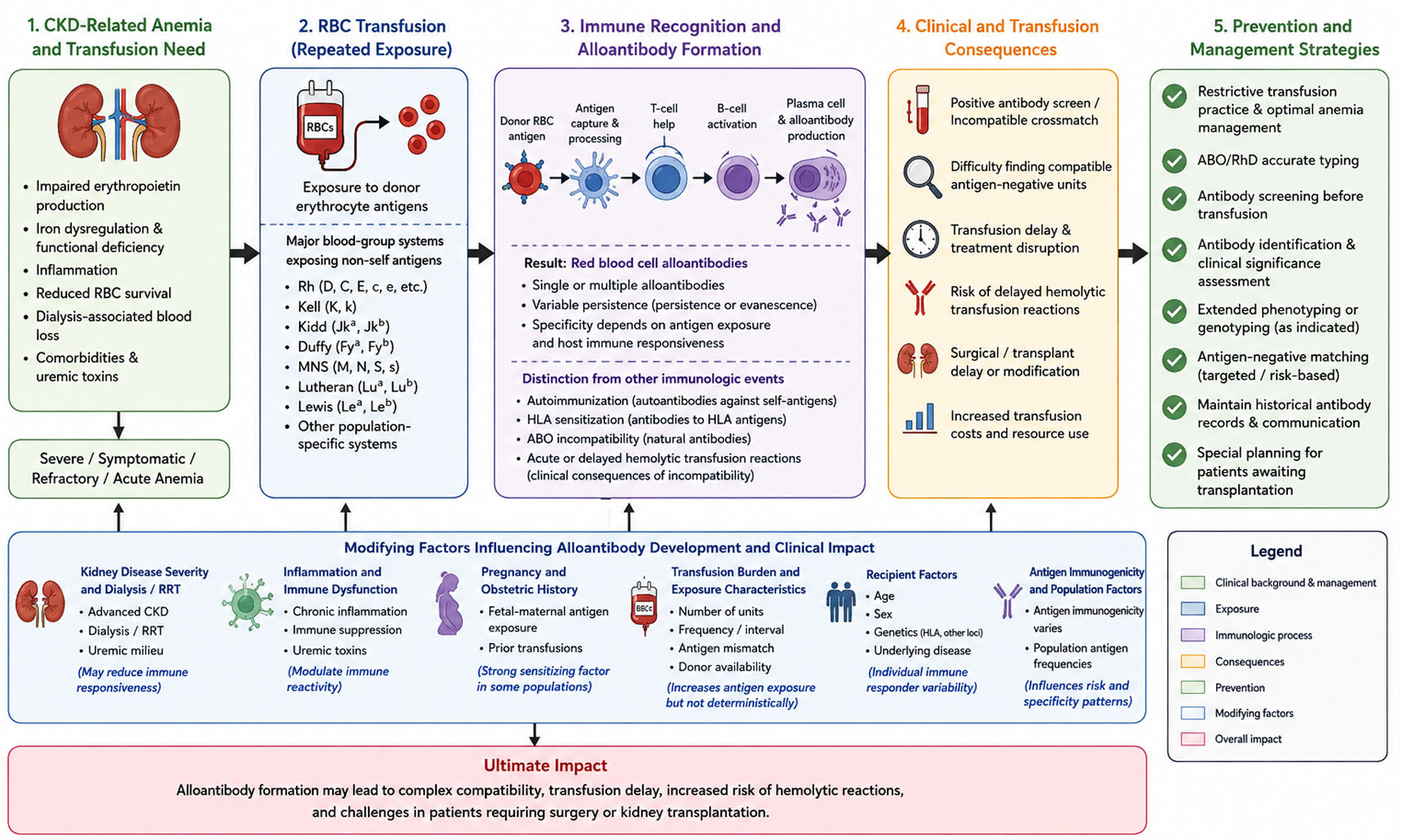 Click for large image | Figure 2. Conceptual framework of RBC alloimmunization in transfused CKD. Repeated RBC exposure provides the antigenic substrate for alloimmunization, while CKD severity, RRT, inflammation, prior sensitization, antigen mismatch, and laboratory detection modify whether antibodies are formed, detected, and clinically consequential. CKD: chronic kidney disease; HLA: human leukocyte antigen; RBC: red blood cell; RRT: renal replacement therapy. |
| Results | ▴Top |
Six studies published from 2021 through 2026 met the prespecified criteria [18–23]. The evidence set comprised two dedicated CKD cross-sectional cohorts (Nebie et al and John et al), two mixed repeatedly transfused cohorts with extractable CKD subgroup information (Singh et al and Nathalang et al), one nationwide renal-failure determinant study (Oud et al), and one CKD transplant-related case report (Banerjee et al). The four evidence roles are not epidemiologically interchangeable (Tables 1 and 2).
Click to view | Table 2. Characteristics and Epidemiological Role of the Six Included Studies |
Epidemiology and evidence roles
The two dedicated CKD cross-sectional cohorts reported detectable RBC alloantibodies in 14/235 patients in Burkina Faso (5.9%; calculated Wilson 95% CI 3.6–9.8%) [19] and 10/141 patients in Uganda (7.1%; calculated Wilson 95% CI 3.9–12.6%) [22]. These estimates describe antibody detection in their respective study populations, not longitudinal incidence, and differ in setting and laboratory approach.
Mixed-cohort evidence should be interpreted separately. Singh et al enrolled 200 multi-transfused patients, including 25 with CKD; all 15 alloimmunized patients belonged to malignancy or thalassemia groups, leaving the CKD subgroup at 0/25 (calculated Wilson 95% CI 0–13.3%) [20]. Nathalang et al studied 200 repeatedly transfused patients and reported antibody detection in two CKD patients, corresponding to 6.3% of the CKD subgroup [21]. Oud et al was designed to estimate relative alloimmunization risk associated with renal failure/RRT rather than CKD-specific antibody-detection frequency [18], and Banerjee et al contributed case-level compatibility evidence rather than a denominator-based population estimate [23].
The two dedicated-cohort estimates cannot establish a universal CKD prevalence range. The 0/25 and 6.3% mixed-cohort subgroup observations are subject to small samples, non-equivalent sampling, and differing measurement approaches. These descriptive observations should not be pooled with association or case-report evidence. Figure 3 displays the study settings and distinguishes the evidence roles rather than implying comparable prevalence estimates.
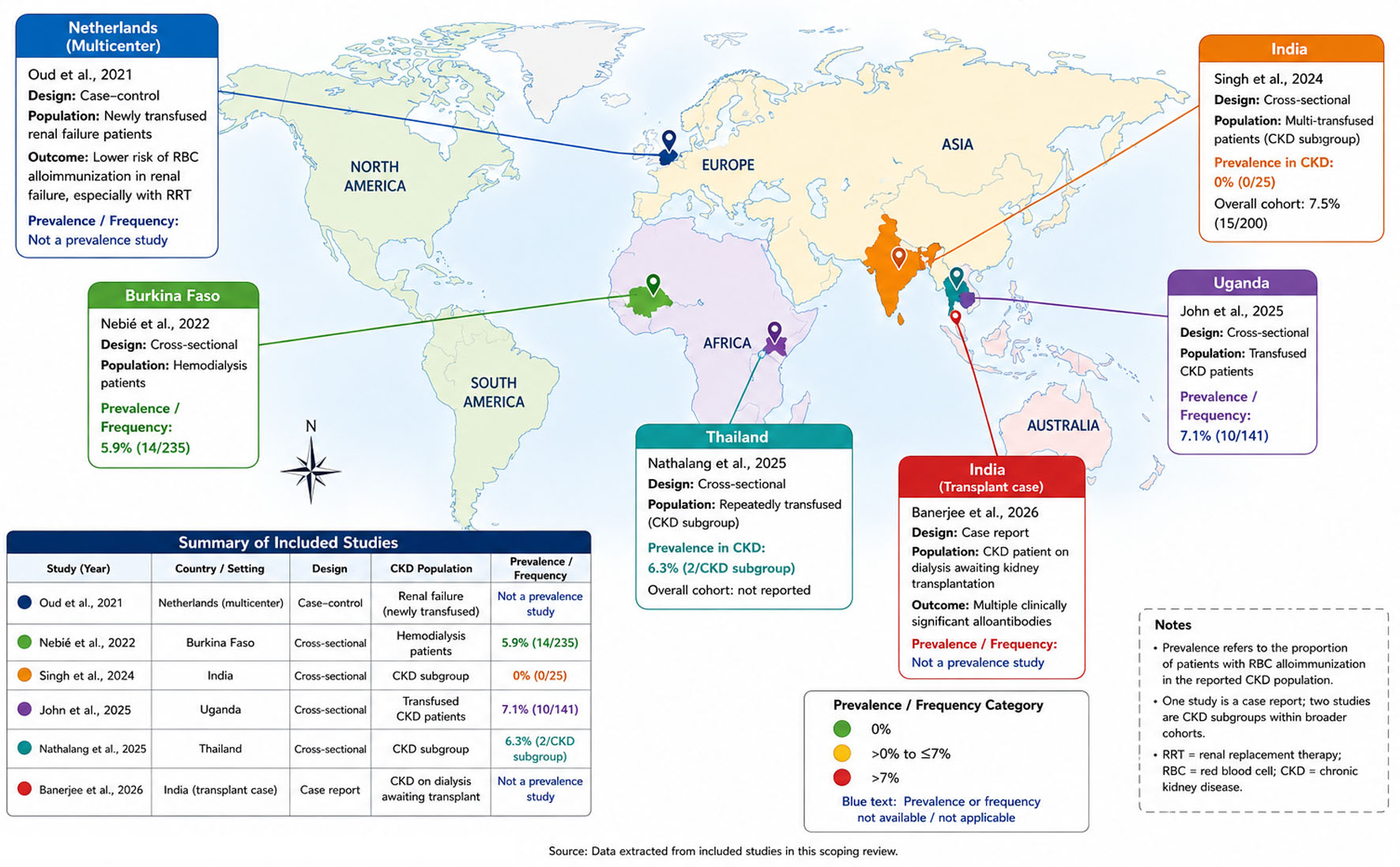 Click for large image | Figure 3. The geographic distribution and reported frequency of RBC alloimmunization in the six included studies. Dedicated CKD prevalence estimates are distinguished from mixed-cohort subgroup findings, a renal-failure determinant study, and case-level evidence. The map depicts heterogeneous evidence roles and must not be read as a comparative population-prevalence map. CKD: chronic kidney disease; RBC: red blood cell; RRT: renal replacement therapy. |
Alloantibody specificities
Antibody specificity was heterogeneous even within the small eligible corpus. In the Burkina Faso hemodialysis cohort, identified antibodies included anti-D, anti-C, anti-D+C, anti-Cw, anti-E, anti-S, and anti-Lea, while four positive patients had unresolved specificity [19]. In Uganda, anti-K was the most frequent identified antibody; four patients had a single antibody, two had multiple antibodies, and four had undetermined types [22]. These findings document Rh antibodies in one cohort and a case report; they do not support a universally dominant antibody system.
The clinical importance of specificity was most visible in the transplant case. A dialysis-dependent CKD patient had anti-Jk(a) and anti-e, creating a requirement for Jk(a)-negative and e-negative units and materially constraining peri-transplant blood planning [23]. By contrast, Singh et al reported no alloantibody in its 25-patient CKD subgroup [20], and the available report from Nathalang et al did not provide a CKD-specific antibody-specificity distribution despite reporting two CKD patients with antibody detection [21]. The reported and unresolved antibody specificities are detailed in Table 3 and visualized in Figure 4.
Click to view | Table 3. RBC Alloantibody Specificity Within the Included 2021–2026 Evidence Set |
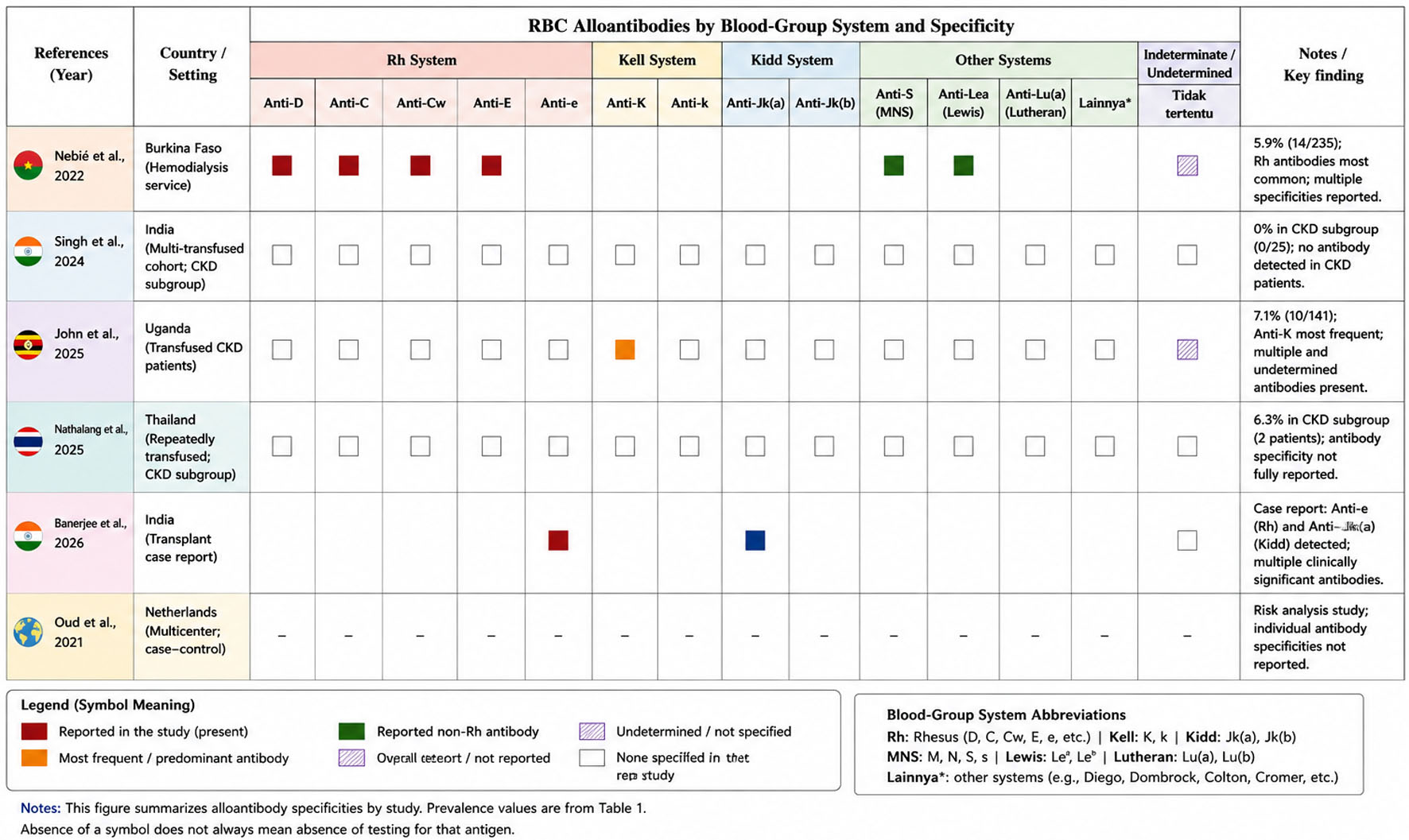 Click for large image | Figure 4. The spectrum of RBC alloantibody findings across the included evidence set. The matrix separates antibodies identified in CKD populations from findings that were absent, unresolved, or not reported at CKD-subgroup level. CKD: chronic kidney disease. |
Patient-, renal-, and transfusion-related determinants
Oud et al reported an inverse adjusted association between chronic renal failure receiving RRT and first-time RBC alloimmunization in a broader newly transfused population (adjusted relative rate 0.62, 95% CI 0.45–0.88) [18]. This is a determinant analysis, not a CKD-specific frequency estimate. The association cannot establish causality; residual confounding by transfusion indications and exposure, age, malignancy, inflammation, immunosuppression, pregnancy history, and antibody-screening timing remains possible.
In the dedicated Ugandan CKD cohort, blood groups A and O had very low adjusted odds estimates for detectable alloantibodies than the reference group, but only 10 participants had detectable alloantibodies; these estimates are vulnerable to sparse-data bias and should be considered exploratory [22]. The Burkina Faso CKD cohort did not establish a robust predictive profile despite substantial cumulative transfusion exposure [19]. Nathalang et al reported lower reported antibody detection among CKD patients than among several other diagnostic groups, but the CKD subgroup was small and the comparison was not designed as a CKD causal model [21]. Singh et al could not evaluate CKD-specific predictors because no CKD participant developed an alloantibody [20].
Across studies, measured associations cannot be separated reliably from differences in population composition, cumulative antigen exposure, prior sensitization, laboratory sensitivity, and antibody-screening timing. No included study establishes a causal CKD-specific predictor. Table 4 compares the factors evaluated within each evidence role, and Figure 5 maps the study-level associations and information gaps.
Click to view | Table 4. Factors Examined in Relation to RBC Alloimmunization, Stratified by Evidence Role |
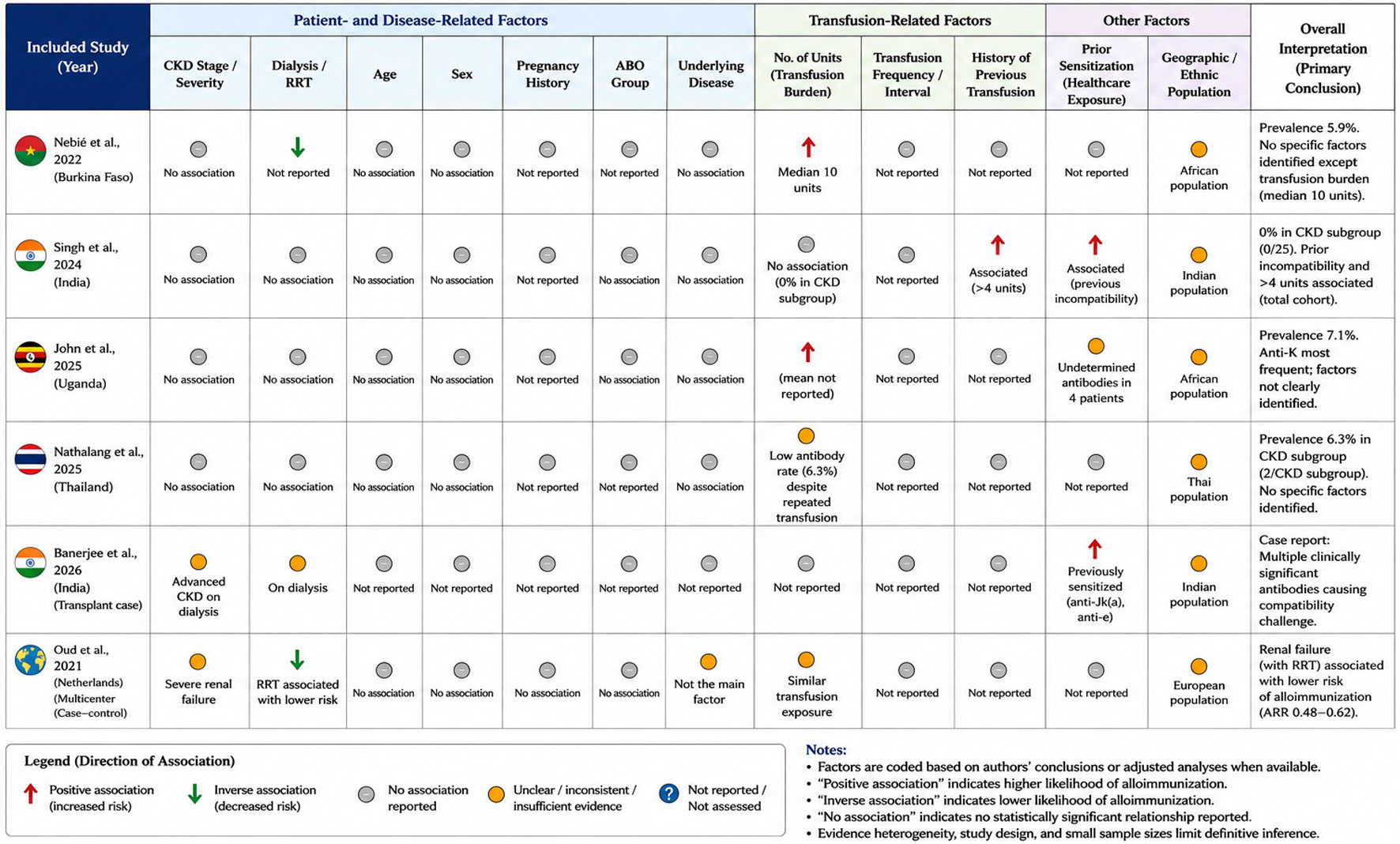 Click for large image | Figure 5. The evidence map of patient-, renal-, transfusion-, and contextual factors examined in the included studies. Directional markers should be interpreted as study-level associations, not causal effects. Symbols summarize reported study-level observations and do not imply causal relationships. |
Detection, compatibility consequences, and preventive approaches
Laboratory methods differed across studies. Nebie et al used indirect antiglobulin testing in a low-ionic-strength microcolumn gel-card system with three-cell screening and an 11-cell identification panel [19]. Singh et al used direct/indirect antiglobulin testing, three-cell screening, and an 11-cell identification panel by column agglutination in its mixed multi-transfused cohort [20]. John et al used an automated Echo Lumena solid-phase platform for antibody screening and identification [22]. Nathalang et al used PCR sequence-specific-primer genotyping across multiple blood-group loci to support antigen-negative donor selection in repeatedly transfused patients [21].
The included transplant case showed a concrete compatibility problem: anti-Jk(a) and anti-e required Jk(a)-negative and e-negative RBC units and affected peri-transplant planning [23]. The Thai mixed-cohort study showed a technical application of extended genotyping to support donor selection [21]. Neither study tested the comparative effectiveness of a CKD-specific preventive strategy. Historical antibody documentation and antigen-negative units for known clinically significant antibodies are general transfusion-medicine principles, not benefits established by CKD-specific trials [2, 3, 12]. Table 5 summarizes laboratory approaches and compatibility consequences; Figure 6 presents the corresponding conceptual management pathway rather than a tested intervention.
Click to view | Table 5. Laboratory Detection, Compatibility Consequences, and Management Implications, Stratified by Evidence Role |
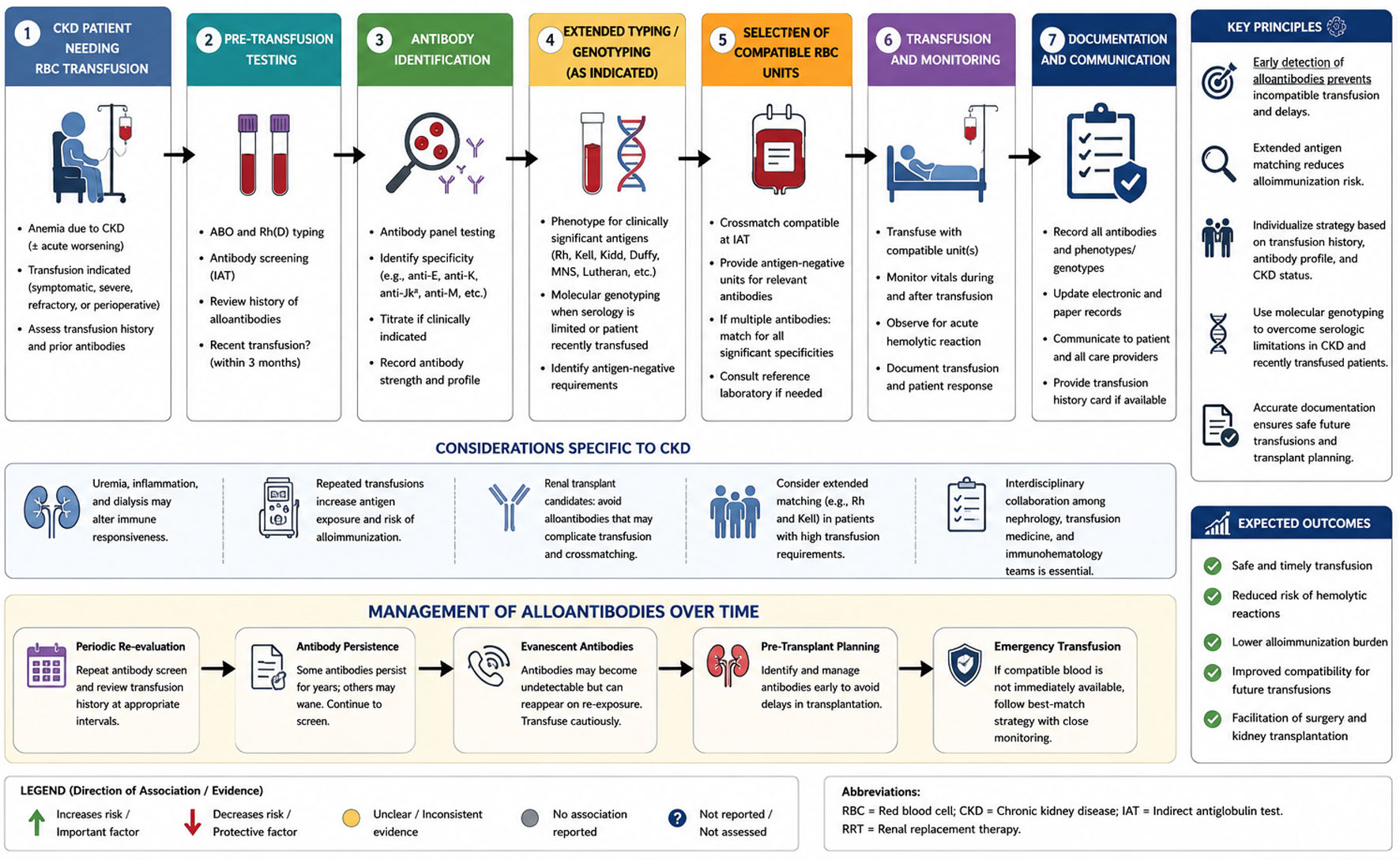 Click for large image | Figure 6. Laboratory detection and clinical management pathway for RBC alloimmunization in CKD. The pathway integrates pretransfusion testing, antibody identification, targeted extended phenotyping/genotyping where indicated, antigen-negative unit selection, documentation, and longitudinal planning. The schematic depicts general transfusion practice and proposed CKD-specific considerations; it is not an intervention validated by the six included studies. CKD: chronic kidney disease; RBC: red blood cell. |
| Discussion | ▴Top |
Six studies published in 2021–2026 met the stated selection rules, but only two dedicated CKD cohorts yielded direct cross-sectional detection frequencies: 5.9% and 7.1% [19, 22]. Mixed-cohort CKD subgroups reported 0/25 and two antibody-positive patients (6.3% of the subgroup) [20, 21]. These subgroup observations cannot be treated as equivalent to dedicated CKD cohorts, while Oud et al evaluated an association [18] and Banerjee et al reported case-level compatibility consequences [23].
The 2021–2026 boundary is based on publication year, not necessarily on the dates of patient enrollment. For example, the 2022 Burkina Faso publication used pre-2021 data [19], and the 2021 Dutch report analyzed transfusion events from an earlier period [18]. Earlier CKD reports [4–7] remain relevant historical context but were not included in the defined evidence set. Therefore, this review maps recently published studies rather than exclusively recent clinical practice.
The antibody findings remain clinically important despite the small evidence base. Rh specificities were prominent in the Burkina Faso hemodialysis cohort [19], anti-K was the most frequent identified antibody in Uganda [22], and a combination of anti-Jk(a) and anti-e created a major peri-transplant compatibility problem in a single patient [23]. The appropriate inference is not that one system dominates CKD globally, but that clinically significant specificity is geographically and patient dependent. Population changes and transfusion practice can alter detected alloantibody patterns over time [14], reinforcing the need for locally informed reagent panels and donor strategies.
A lower adjusted rate of first-time alloimmunization was observed in renal failure with RRT in an observational, non-CKD-specific determinant analysis [18]. Although host immune responsiveness may contribute to alloimmunization [9, 10], the study cannot determine why the association arose or whether RRT itself changes the response. Unmeasured or incompletely measured differences in indication, transfusion burden, disease severity, immunosuppressive treatment, and antibody testing could account for part of the association.
Antibody detection depends on assay and sampling timing; antibodies may later become undetectable [11]. Maintaining historical antibody information and selecting antigen-negative RBCs for known significant antibodies are established transfusion practices supported by broader immunohematology evidence [2, 3]. Genotyping may help resolve complex antigen characterization [12, 13]; Nathalang et al reported its technical use in a mixed transfused population containing a small CKD subgroup [21]. No included CKD study directly compared universal genotyping or extended matching against standard care.
The review therefore distinguishes CKD-specific observations from extrapolated transfusion-management principles. CKD-specific studies document antibody detection and selected compatibility problems [19, 22, 23]; they do not directly measure the effect of routine historical-antibody recording, prophylactic extended matching, or universal molecular genotyping on patient outcomes. Evidence from other chronically transfused populations, including sickle cell disease, cannot establish CKD-specific effectiveness [26].
Transplantation introduces a related but analytically distinct sensitization problem. RBC alloantibodies affect erythrocyte compatibility, whereas HLA antibodies affect transplant immunology. Transfusion can contribute to HLA sensitization in renal candidates [24, 25], but these outcomes were intentionally excluded from the RBC alloimmunization Results. Clinically, both considerations strengthen patient blood management and avoidance of unnecessary transfusion without justifying conflation of the two immune systems.
Strengths and limitations
The evidence-role classification separates dedicated CKD detection-frequency studies, mixed-cohort subgroups, an adjusted determinant study, and a case report. This reduces the risk of treating their findings as interchangeable. The search counts and Boolean expressions are described, but the available documentation does not include complete platform-specific query histories or an auditable independent dual-screening record.
Important limitations are the narrow publication and language criteria; a small, geographically restricted evidence base; cross-sectional sampling; heterogeneous exposure definitions and serologic assays; and some reliance on indexed rather than full-text source details. The 2021–2026 publication window does not ensure contemporary collection of patient data. The reported 41 database records were drawn from supplied exports, with no archived prefilter counts or search timestamps for each platform. The available records also cannot confirm independent dual-reviewer screening or standardized disagreement resolution. Accordingly, search completeness and study-selection reproducibility remain uncertain. Formal risk-of-bias assessment and meta-analysis were not performed, and small samples do not establish absence of risk.
Research priorities and clinical interpretation
Future CKD-specific studies should be prospective, multicenter, and explicit about the denominator at risk. They should record transfusion timing and cumulative units, donor–recipient antigen mismatch, pregnancy and prior sensitization, CKD stage, dialysis modality and vintage, inflammatory and immunosuppressive exposures, pre- and post-transfusion antibody screening, antibody persistence, time to compatible blood, and transplant-related consequences. Comparative studies are needed to determine when extended serologic typing or molecular genotyping yields sufficient clinical benefit to justify resource use.
The present evidence supports a risk-stratified research agenda rather than a universal preventive policy. The immediate scientific task is to identify which CKD patients are most likely to become immunized and which formed antibodies are most likely to create clinically meaningful compatibility burden. Only then can enhanced matching, molecular typing, or post-transfusion surveillance be evaluated against standard care using patient-centered and health-system outcomes.
| Conclusion | ▴Top |
Recently published reports document detectable RBC alloantibodies among transfused CKD patients, but only two included dedicated CKD cohorts provide direct cross-sectional frequencies (5.9% and 7.1%) [19, 22]. Mixed-population subgroups, an observational renal-failure association, and a transplant case address distinct questions and cannot define a single CKD population rate. Detected specificities vary across settings, and several remain unresolved.
The association of RRT with lower first-time alloimmunization does not establish a causal protective effect [18]. CKD-specific studies demonstrate antibody detection and selected compatibility challenges, while the value of retaining historical antibody information and issuing antigen-negative units to patients with known clinically significant antibodies derives primarily from established general transfusion practice. No included study establishes the clinical benefit or cost-effectiveness of universal prophylactic extended matching or genotyping in CKD. Broader, prospectively collected CKD-specific evidence is needed.
| Supplementary Material | ▴Top |
Suppl 1. Search strategy audit appendix: documented queries and audit gaps.
Acknowledgments
None to declare.
Financial Disclosure
The authors received no financial support for the research, authorship, or publication of this article. This work received no specific grant from funding agencies in the public, commercial, or not-for-profit sectors.
Conflict of Interest
The authors declare that they have no financial, personal, institutional, commercial, or other relationships that could be perceived as influencing the work reported in this manuscript.
Author Contributions
VI: conceptualization, methodology, literature search and screening, data curation, evidence synthesis, visualization, project administration, and writing – original draft. WS: methodology, validation, interpretation of evidence, supervision, and writing – review and editing. TL: literature screening, data extraction, validation, interpretation of evidence, and writing – review and editing. NSI: literature screening, data extraction, validation, interpretation of evidence, and writing – review and editing. All authors critically reviewed the manuscript, approved the final version for submission, and agree to be accountable for the accuracy and integrity of the work.
Data Availability
All data synthesized in this review are derived from the cited published sources and are summarized in the manuscript tables. Review-level screening and extraction materials are available from the corresponding author upon reasonable request, subject to applicable database and copyright restrictions.
AI Use Declaration
During manuscript revision, the authors used ChatGPT (OpenAI) to assist with language refinement, structural editing, and consistency checking. The tool was not used as an author or as an autonomous source of evidence. Literature eligibility, extracted data, interpretations, citations, and final conclusions were reviewed and approved by the authors, who take full responsibility for the manuscript.
Abbreviations
CKD: chronic kidney disease; CI: confidence interval; IAT: indirect antiglobulin test; JBI: Joanna Briggs Institute; LISS: low ionic strength solution; PRISMA-ScR: Preferred Reporting Items for Systematic Reviews and Meta-Analyses extension for Scoping Reviews; RBC: red blood cell; RR: relative rate; RRT: renal replacement therapy
| References | ▴Top |
- Babitt JL, Berns JS, Bozkurt B, Cheung Khedairy RS, Cuevas Y, Effa EE, Eisenga MF, et al. Executive summary of the KDIGO 2026 clinical practice guideline for the management of anemia in chronic kidney disease (CKD). Kidney Int. 2026;109(1):44-56.
doi pubmed - Arthur CM, Stowell SR. The development and consequences of red blood cell alloimmunization. Annu Rev Pathol. 2023;18:537-564.
doi pubmed - Tormey CA, Hendrickson JE. Transfusion-related red blood cell alloantibodies: induction and consequences. Blood. 2019;133(17):1821-1830.
doi pubmed - Domen RE, Ramirez G. Red cell alloimmunization in chronic renal failure patients undergoing hemodialysis. Nephron. 1988;48(4):284-285.
doi pubmed - Obi EI, Pughikumo CO, Oko-Jaja RI. Red blood cell alloimmunization in multi-transfused patients with chronic kidney disease in Port Harcourt, South-South Nigeria. Afr Health Sci. 2018;18(4):979-987.
doi pubmed - Krisnawati NK, Herawati S, Mulyantari NK. Erythrocyte alloantibodies in chronic kidney disease patients receiving packed red cell transfusions in Sanglah General Hospital, Denpasar. Bali Med J. 2019;8(2):492-495.
doi - Yusoff SM, Bahar R, Hassan MN, Noor NHM, Ramli M, Shafii NF. Prevalence of red blood cell alloimmunization among transfused chronic kidney disease patients in Hospital Universiti Sains Malaysia. Oman Med J. 2020;35(5):e177.
doi pubmed - Evers D, Middelburg RA, de Haas M, Zalpuri S, de Vooght KMK, van de Kerkhof D, Visser O, et al. Red-blood-cell alloimmunisation in relation to antigens' exposure and their immunogenicity: a cohort study. Lancet Haematol. 2016;3(6):e284-292.
doi pubmed - Karafin MS, Westlake M, Hauser RG, Tormey CA, Norris PJ, Roubinian NH, Wu Y, et al. Risk factors for red blood cell alloimmunization in the Recipient Epidemiology and Donor Evaluation Study (REDS-III) database. Br J Haematol. 2018;181(5):672-681.
doi pubmed - Gerritsma JJ, Oomen I, Meinderts S, van der Schoot CE, Biemond BJ, van der Bom JG, Fijnvandraat K, et al. Back to base pairs: What is the genetic risk for red blood cell alloimmunization? Blood Rev. 2021;48:100794.
doi pubmed - Yamada C, Ono T, Ino K, Nemoto N, Shinba T, Furumaki H, Shibata H, et al. The development and evanescence of red blood cell antibodies after transfusion: a multi-institutional prospective study in Japan. Transfusion. 2024;64(10):1980-1992.
doi pubmed - Westhoff CM. Blood group genotyping. Blood. 2019;133(17):1814-1820.
doi pubmed - Akinbolaji TJ. When and why is red blood cell genotyping applicable in transfusion medicine: a systematic review of the literature. Immunohematology. 2024;40(2):58-64.
doi pubmed - Badami KG, Hull S, Vanhecke C. Effects of change in transfusion practice, population mix and fertility on red blood cell alloantibody prevalence. Vox Sang. 2025;120(6):615-624.
doi pubmed - Munn Z, Peters MDJ, Stern C, Tufanaru C, McArthur A, Aromataris E. Systematic review or scoping review? Guidance for authors when choosing between a systematic or scoping review approach. BMC Med Res Methodol. 2018;18(1):143.
doi pubmed - Peters MDJ, Marnie C, Tricco AC, Pollock D, Munn Z, Alexander L, McInerney P, et al. Updated methodological guidance for the conduct of scoping reviews. JBI Evid Synth. 2020;18(10):2119-2126.
doi pubmed - Tricco AC, Lillie E, Zarin W, O'Brien KK, Colquhoun H, Levac D, Moher D, et al. PRISMA extension for scoping reviews (PRISMA-ScR): checklist and explanation. Ann Intern Med. 2018;169(7):467-473.
doi pubmed - Oud JA, Evers D, Middelburg RA, de Vooght KMK, van de Kerkhof D, Visser O, Pequeriaux NCV, et al. Association between renal failure and red blood cell alloimmunization among newly transfused patients. Transfusion. 2021;61(1):35-41.
doi pubmed - Nebie K, Sawadogo S, Sawadogo S, Koulidiati J, Lengani HYA, Sawadogo AG, Babinet J, et al. Red blood cell alloimmunisation in multi-transfused patients from an haemodialysis service in Burkina Faso. Afr J Lab Med. 2022;11(1):1625.
doi pubmed - Singh A, Kaur H, Garg P, Kaur SP, Khurana BS, Kaur J, Gill KS, et al. Antibody screening, identification and red cell alloimmunisation analysis in multi-transfused patients at a tertiary care hospital, Amritsar, India. J Clin Diagn Res. 2024;18(3):EC13-EC17.
doi - Nathalang O, Khumsuk P, Intharanut K, Choychimplee T, Sasikarn W. Extended blood group genotyping among Thai patients with repeated transfusions. Clin Lab. 2025;71(8):1549-1555.
doi pubmed - John EA, Muwanguzi E, Wagubi R, Rugera SP, Bagenda CN, Muhindo R, Okongo B. Red cell alloimmunization among transfused chronic kidney disease patients: a hospital-based study in Southwestern Uganda. J Blood Med. 2025;16:537-549.
doi pubmed - Banerjee S, Arpitha P, Reddy TV, Chakraborty S, Mathur A. Red blood cell alloantibodies dictating solid organ transplant decisions: two case reports. Asian J Transfus Sci. 2026;20(1):208-212.
doi pubmed - McComish JS, Brewster J, Carreiro E, Chow K, Hogan C, Kanellis J, Lee D, et al. Human leukocyte antigen sensitization from red cell transfusions: Rate and risk factors in renal and nonrenal patients requiring transfusion. Am J Transplant. 2026;26(2):291-303.
doi pubmed - Leffell MS, Kim D, Vega RM, Zachary AA, Petersen J, Hart JM, Rossert J, et al. Red blood cell transfusions and the risk of allosensitization in patients awaiting primary kidney transplantation. Transplantation. 2014;97(5):525-533.
doi pubmed - Fasano RM, Meyer EK, Branscomb J, White MS, Gibson RW, Eckman JR. Impact of red blood cell antigen matching on alloimmunization and transfusion complications in patients with sickle cell disease: a systematic review. Transfus Med Rev. 2019;33(1):12-23.
doi pubmed - Ji Y, Luo G, Fu Y. Incidence of anti-D alloimmunization in D-negative individuals receiving D-positive red blood cell transfusion: a systematic review and meta-analysis. Vox Sang. 2022;117(5):633-640.
doi pubmed
This article is distributed under the terms of the Creative Commons Attribution 4.0 International License (CC BY 4.0), which permits unrestricted use, distribution, and reproduction in any medium, including commercial use, provided the original work is properly cited.
Journal of Clinical Medicine Research is published by Elmer Press Inc.