| Journal of Clinical Medicine Research, ISSN 1918-3003 print, 1918-3011 online, Open Access |
| Article copyright, the authors; Journal compilation copyright, J Clin Med Res and Elmer Press Inc |
| Journal website https://jocmr.elmerjournals.com |
Review
Volume 18, Number 11, November 2026, pages 795-814

Immune-Mediated Necrotizing Myopathy Across the Age, Autoantibody, Phenotype, Treatment, and Outcome Spectrum: A Systematic Review
Abdullah A. Al-Abdulwahab
Department of Internal Medicine, College of Medicine, Imam Abdulrahman bin Faisal University, Dammam 31952, Saudi Arabia
Manuscript submitted September 9, 2026, accepted October 14, 2026, published online November 9, 2026
Short title: IMNM: Clinical Phenotypes and Therapy
doi: https://doi.org/10.14740/jocmr6728
| Abstract | ▴Top |
Immune-mediated necrotizing myopathy (IMNM) is a severe idiopathic inflammatory myopathy characterized by prominent myofiber necrosis, weakness, and marked creatine kinase elevation. Anti-3-hydroxy-3-methylglutaryl-coenzyme A reductase (anti-HMGCR) and anti-signal recognition particle (anti-SRP) autoantibodies define clinically relevant subgroups, but uncertainty remains regarding age-related presentation, phenotype, treatment response, and outcomes. The objective of this review was to synthesize published evidence on IMNM using a framework that progresses from IMNM diagnosis to age, autoantibody, phenotype, treatment, and outcomes, emphasizing pediatric and adult disease and antibody-defined heterogeneity. Following the Preferred Reporting Items for Systematic Reviews and Meta-Analyses (PRISMA) 2020 guidelines, a systematic search was conducted across PubMed/MEDLINE, Scopus, ScienceDirect, and Cochrane Central Register of Controlled Trials (CENTRAL) for literature published from 2015 to 2026. Antibody search terms were optional to ensure seronegative disease was not excluded. From 1,541 initially identified records, 66 reports were retained for qualitative synthesis after rigorous screening, full-text eligibility assessment, and risk-of-bias appraisal. Of the 66 retained reports, 78.8% described adult-only and 12.1% pediatric-only populations. The evidence base relies heavily on case-level data, comprising 24 cohorts/comparative studies, 39 case series or reports, and one phase 2 randomized controlled trial (RCT). The single completed RCT (zilucoplan, a complement C5 inhibitor; n = 27, 8 weeks) did not meet its primary efficacy endpoint. Recent literature highlights emerging cardiac, cutaneous, and metabolic manifestations, alongside exploratory use of targeted treatments like chimeric antigen receptor T-cell (CAR-T) and proprotein convertase subtilisin/kexin type 9 (PCSK9) inhibitors. IMNM exhibits substantial clinical heterogeneity by age, autoantibody profile, and phenotype. The dominance of case-level evidence and the negative C5-inhibitor RCT underscore a critical need for adequately powered, mechanistically targeted prospective studies, particularly for pediatric, seronegative, and refractory disease.
Keywords: Immune-mediated necrotizing myopathy; anti-HMGCR; anti-SRP; Inflammatory myopathy; Autoimmune myopathy; Pediatric myopathy; IVIG; Rituximab
| Introduction | ▴Top |
Idiopathic inflammatory myopathies (IIMs) comprise a heterogeneous group of immune-mediated disorders characterized by skeletal-muscle weakness, enzyme elevation, autoantibodies, and variable extramuscular manifestations [1]. Within this spectrum, immune-mediated necrotizing myopathy (IMNM) is defined by prominent myofiber necrosis and regeneration with limited inflammatory infiltrates, severe weakness, and frequently marked creatine kinase (CK) elevation [2, 3]. Anti-3-hydroxy-3-methylglutaryl-coenzyme A reductase (anti-HMGCR) and anti-signal recognition particle (anti-SRP) antibodies define the principal seropositive subgroups, while a seronegative form is also recognized [2, 3]. Anti-HMGCR disease is strongly associated with statin exposure, although exposure is neither necessary nor sufficient for diagnosis. Although IMNM predominantly affects adults, juvenile-onset cases are increasingly reported [4]. Treatment relies on glucocorticoids plus conventional immunosuppressants; intravenous immunoglobulin, rituximab, and emerging mechanism-based agents have been used in refractory disease, but randomized evidence remains sparse [5–9]. Because IMNM is uncommon, literature is dominated by case reports and small series, and published comparisons are limited by heterogeneous populations and outcome definitions. The primary objective of this review was to characterize the clinical spectrum of IMNM across pediatric and adult populations; secondary objectives were to describe antibody distribution, muscle and extramuscular phenotypes, treatment strategies and responses, and evidence gaps that may guide future research.
| Methods | ▴Top |
Review protocol and reporting framework
The systematic review was designed and reported in accordance with the Preferred Reporting Items for Systematic Reviews and Meta-Analyses (PRISMA) 2020 statement [10]. PRISMA 2020 was used to guide reporting of the review question, eligibility criteria, information sources, search strategy, study-selection process, data collection, risk-of-bias assessment, synthesis, and presentation of results. The review framework was organized around six clinically linked domains: IMNM diagnosis, age, autoantibody, phenotype, treatment, and outcomes. The review was designed to accommodate the broad evidence base available for a rare disease. Randomized trials, observational cohorts, case series, and case reports were therefore considered separately during evidence interpretation. Case reports were not assumed to provide the same level of evidence as comparative cohorts or randomized trials.
Information sources and search period
A systematic literature search was conducted across four electronic databases: PubMed/MEDLINE, Scopus, ScienceDirect, and the Cochrane Central Register of Controlled Trials (CENTRAL). The search period was restricted to publications from January 2015 through August 2026; all four databases were last searched in August 2026. The 2015 starting point was selected to capture contemporary literature reflecting the modern serological classification of IMNM and subsequent development of antibody-directed clinical phenotyping and treatment strategies.
Search strategy
The search strategy was structured around concepts representing IMNM, with optional terms for its major serological subgroups. Core terms included combinations and synonyms for “immune-mediated necrotizing myopathy,” “immune mediated necrotizing myopathy,” “immune-mediated necrotising myopathy,” “necrotizing autoimmune myopathy,” “necrotising autoimmune myopathy,” “IMNM.” Antibody-related terms (“anti-HMGCR,” “HMGCR,” “anti-SRP,” “signal recognition particle”) were included as optional (OR) concepts so that seronegative and non-antibody-specified IMNM reports would not be systematically excluded. Where appropriate, controlled vocabulary and free-text terms were combined using Boolean operators. The revised conceptual search structure was: (IMNM OR “immune-mediated necrotizing myopathy” OR “immune-mediated necrotising myopathy” OR “necrotizing autoimmune myopathy” OR “necrotising autoimmune myopathy” OR “immune mediated necrotizing myopathy”) OR (anti-HMGCR OR HMGCR OR anti-SRP OR “signal recognition particle”). Complete search strategy is provided (Supplementary Material 1, jocmr.elmerjournals.com).
Eligibility criteria
Reports were eligible when they described patients with clinically recognized or adequately documented IMNM and provided information relevant to at least one component of the review framework. Eligible designs included randomized controlled trials (RCTs), prospective or retrospective cohort studies, registries, case-control or comparative observational studies, case series, and individual case reports. Studies were considered particularly relevant when IMNM was supported by a compatible clinical phenotype, marked CK elevation, muscle biopsy findings, anti-HMGCR or anti-SRP positivity, or an explicit diagnosis of IMNM by the treating/research team. Publications containing mixed idiopathic inflammatory myopathy populations were considered when IMNM-specific data could be separately identified.
Reports were excluded when the disease was clearly unrelated to IMNM, when an alternative diagnosis fully explained the phenotype, when the relevant IMNM subgroup could not be separated from a mixed population, or when the publication did not provide clinically relevant information for the review question. Potentially overlapping publications were not automatically discarded; instead, they were flagged for cohort-level adjudication. Exceptions were made for a small number of supporting or contextual reports that were retained for background and interpretation rather than for IMNM-specific estimates: a checkpoint-inhibitor myositis registry [11], diagnostic-accuracy and classification studies in mixed IIM populations [12, 13], a study of B-cell-aggregate myositis [14], two mixed-IIM abstracts in which IMNM-specific data could not be identified [15, 16], and two narrative reviews [17, 18].
Rayyan-based study management and screening
All retrieved references were managed through Rayyan, a web-based platform designed to facilitate systematic-review screening and collaboration [19]. Records retrieved from the selected databases were imported into Rayyan and screened after duplicate identification/removal (298 duplicates removed from 1,541 identified records, leaving 1,243 unique records). The screening workflow consisted of title/abstract screening followed by full-text assessment. During title and abstract screening, records were assessed against the eligibility criteria with emphasis on whether the publication involved IMNM or a potentially relevant necrotizing autoimmune myopathy. Of 1,243 screened records, 322 were excluded at the title/abstract stage. Of the remaining 921 reports sought for retrieval, 166 could not be retrieved; 755 reports were therefore assessed for eligibility. After full-text assessment, 689 reports were excluded (wrong population n = 222; wrong study design n = 216; translational/pre-clinical with no clinical data n = 148; wrong outcome reported n = 70; wrong publication type n = 25; wrong exposure n = 8). The remaining 66 reports form the basis of the results reported here. Reasons for exclusion at each stage are summarized in Figure 1.
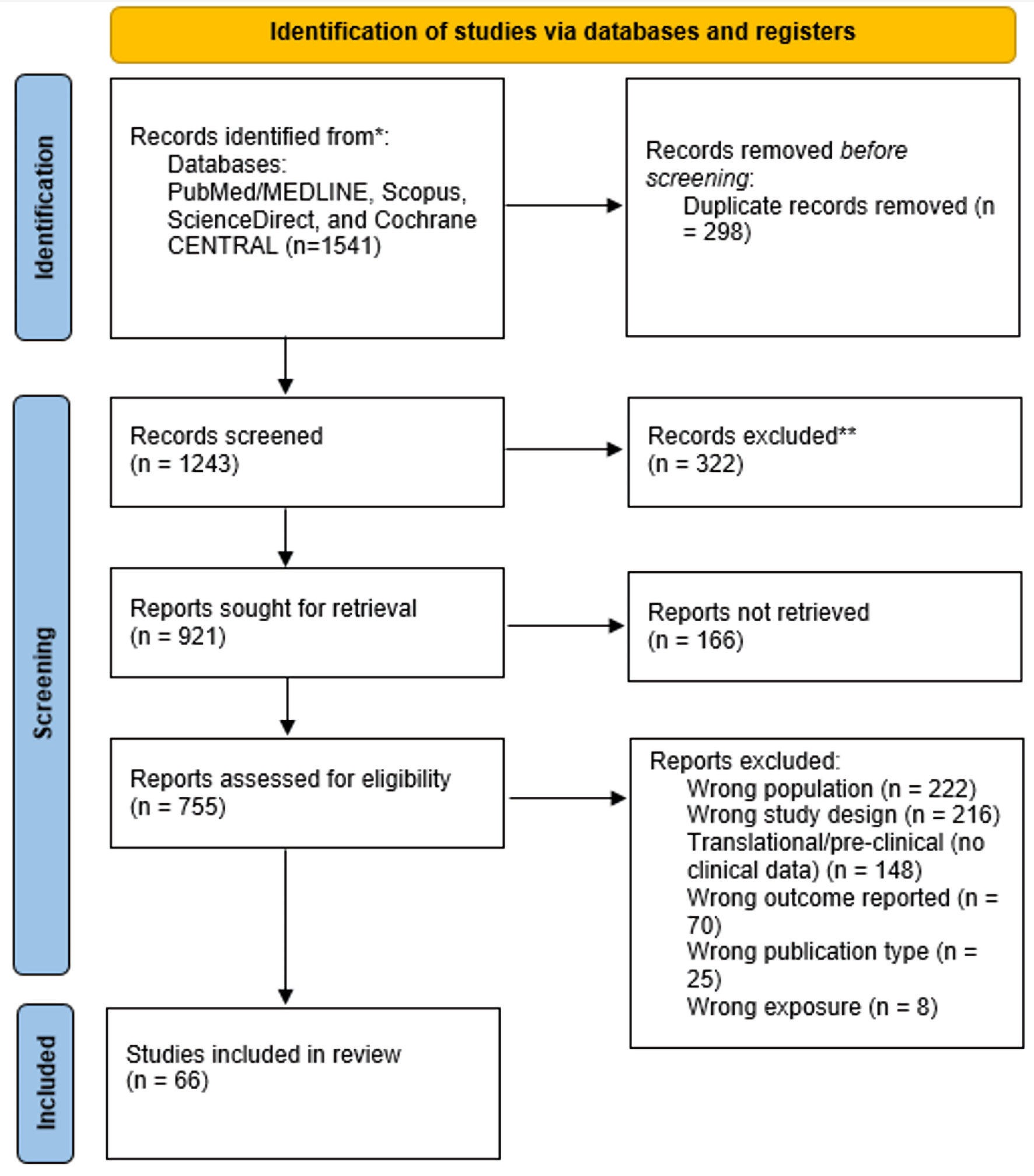 Click for large image | Figure 1. PRISMA flow diagram. Databases (PubMed/MEDLINE, Scopus, ScienceDirect, Cochrane CENTRAL) were last searched in August 2026. PRISMA: Preferred Reporting Items for Systematic Reviews and Meta-Analyses. |
Study selection
Figure 1 reports the complete pathway from database identification through duplicate removal, title/abstract screening, exclusions with reasons, and the 66 reports retained for extraction.
Data extraction
A structured extraction form was used to capture publication-level and patient/population-level information. Extracted study characteristics included author/year, country, study design, sample size, population description, and publication status. The principal clinical extraction framework followed the sequence of IMNM, age, autoantibody, phenotype, treatment, and outcomes. Age variables included age at onset, age at diagnosis, pediatric versus adult classification, age range, mean age, and median age where reported. Autoantibody variables included anti-HMGCR, anti-SRP, seronegative status, and other autoantibodies. Phenotypic variables included proximal, distal, and axial weakness; bulbar involvement; dysphagia; respiratory involvement; cardiac manifestations; cutaneous manifestations; myalgia; CK elevation; magnetic resonance imaging (MRI) findings; muscle-biopsy findings; and extramuscular involvement. Diagnostic variables included biopsy confirmation and serological confirmation where reported. Treatment variables included corticosteroids, conventional steroid-sparing immunosuppressive agents, intravenous immunoglobulin (IVIG), rituximab, and novel or targeted therapies (complement inhibition, neonatal Fc receptor (FcRn) antagonism, proprotein convertase subtilisin/kexin type 9 (PCSK9) inhibition, and chimeric antigen receptor T-cell (CAR-T) therapy). Outcome variables included clinical response, CK response, functional outcome, remission, relapse, refractory disease, mortality, follow-up duration, and adverse events. Data were extracted from the full texts of all reports for which a full-length publication was available. Nineteen reports (28.8%) were published only as conference or congress abstracts. For these reports only the information in the abstract was available, so extraction and risk-of-bias appraisal are correspondingly limited, and estimates derived from them are flagged as provisional. Publication type (full article versus conference abstract) was recorded for every report. Data were recorded as reported. Missing information was coded as not reported (NR) rather than inferred. In particular, the absence of a statement concerning an antibody, phenotype, or treatment was not interpreted as evidence that the feature was absent.
Management of multiple reports and overlapping cohorts
Because IMNM is a rare disorder, multiple publications may describe the same underlying patients or cohort. Several instances of probable overlap were flagged during extraction of the 66 retained reports, for example, more than one Spanish single-center HMGCR cohort and several Japanese single-center case reports originating from institutions that also contributed cohort-level publications on the same theme (cardiac involvement, skin manifestations). Publication-level records were therefore distinguished from independent study populations, and flagged reports were retained for adjudication rather than being merged or discarded pre-emptively. Where multiple publications describe the same population, the most comprehensive report should be designated the primary cohort publication for quantitative counting, while additional publications may be retained as supplementary sources for variables not reported in the primary publication. This approach is intended to minimize double counting while preserving clinically relevant information.
Risk of bias and quality assessment
Quality assessment was performed according to study design rather than applying a single instrument to all publications. For the one RCT identified, the revised Cochrane risk-of-bias tool for randomized trials (RoB 2) was used [20], evaluating bias arising from the randomization process, deviations from intended interventions, missing outcome data, outcome measurement, and selection of the reported result. For non-randomized comparative or cohort studies, the Risk of Bias in Non-Randomized Studies of Interventions (ROBINS-I) framework was applied [21], considering bias due to confounding, participant selection, classification of interventions, deviations from intended interventions, missing data, outcome measurement, and selection of the reported result. For case reports and case series, the Joanna Briggs Institute (JBI) critical appraisal checklists were used according to the relevant design. Case-report appraisal considered patient demographics, clinical history, diagnostic assessment, intervention, post-intervention condition, adverse events, and completeness of reporting [22]. Case-series appraisal additionally considered clear inclusion criteria, consecutive inclusion, condition measurement, valid identification of the condition, reporting completeness, and appropriate statistical analysis where applicable. The one pooled review of published cases [23] was appraised with the JBI case-series approach rather than ROBINS-I, as it does not constitute a primary comparative cohort. Appraisal of conference abstracts was limited to the information reported and is considered provisional.
Certainty and interpretation of evidence
Because the review includes multiple study designs and a substantial body of case-based evidence, quality assessment was interpreted in relation to study design. Randomized evidence was considered most informative for comparative treatment effects, observational cohorts for associations and longer-term clinical outcomes, and case reports/series for unusual presentations, rare complications, and emerging therapeutic observations. A low-quality case report was therefore not treated as equivalent to a high-quality cohort study, and the presence of a case report was not interpreted as evidence of treatment effectiveness. Findings reported only in individual cases were described as signals or observations rather than estimates of prevalence or comparative efficacy.
Data synthesis and statistical analysis
The primary synthesis was narrative and descriptive because substantial heterogeneity was expected in study design, population age, antibody distribution, diagnostic criteria, treatment regimens, follow-up duration, and outcome definitions. Study characteristics were summarized using reported frequencies, means, medians, ranges, and other descriptive measures. Binary variables were counted only when the feature was explicitly reported. Records coded as NR were not treated as negative observations. Consequently, reported counts represent the number of publications/records documenting a feature rather than population prevalence unless a study provided a denominator and sufficiently comparable definition. Quantitative meta-analysis was not undertaken. With the exception of the single randomized trial, no two studies reported sufficiently comparable populations, exposures, and effect measures to support meaningful statistical pooling, and individual case reports were not treated as independent participants for pooled estimation. Findings were instead synthesized narratively according to age group, antibody subtype, phenotype, treatment, and outcomes.
Ethical considerations
As a systematic review of previously published literature, the study did not involve direct recruitment of human participants or collection of identifiable primary patient data. Institutional ethical approval is therefore generally not required for the review itself; however, the final manuscript should follow the requirements of the target journal and the institution overseeing the research.
| Results | ▴Top |
Sixty-six reports were retained for the current qualitative synthesis after identification of 1,541 records, removal of 298 duplicates, title/abstract screening of 1,243 unique records (322 excluded), retrieval attempts for 921 reports (166 not retrieved), and full-text eligibility assessment of 755 reports (689 excluded for reasons shown in Figure 1).
Study and population characteristics
Study designs among the 66 retained reports comprised one phase 2 RCT (1.5%), 24 cohort/registry/comparative observational studies (36.4%), six case series of ≥ 3 patients (9.1%), two pooled reviews of previously published cases (3.0%), 31 case reports of 1–2 patients (47.0%, including one early case report nested within a phase I/II cellular-therapy trial), and two narrative reviews used only for background context (3.0%). This distribution reflects the rarity of IMNM and the resulting reliance on lower-level, case-based evidence. Nineteen reports (28.8%) were published only as conference abstracts. Of the 66 retained reports, 52 (78.8%) described adult-only populations, eight (12.1%) pediatric-only populations (onset or presentation before 18 years), four (6.1%) mixed pediatric-and-adult populations, and two (3.0%) did not specify age structure (Table 1). The largest pediatric dataset was a 55-patient single-center retrospective cohort from a muscle-biopsy-oriented pediatric registry [24], in which anti-HMGCR, anti-SRP, and seronegative disease accounted for 61.8%, 20.0%, and 18.2% of cases respectively, and 46.2% (18/39) of patients followed up achieved a complete or partial remission to combined steroid and immunosuppressive therapy. Several pediatric case reports illustrated a recurring pattern of initial misdiagnosis as muscular dystrophy or limb-girdle disease before autoimmune serology was pursued [25, 26].
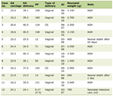 Click to view | Table 1. Population Age Structure (N = 66) |
Reports originated from 23 countries (including multinational collaborations), most frequently the United States (n = 15), China (n = 10), Japan (n = 8), and Spain (n = 6), with the remainder from countries contributing one to three reports across Europe, East and Southeast Asia, South Asia, and the Americas.
Autoantibody profile
Anti-HMGCR status was addressed in 40 of 66 reports (60.6%), anti-SRP status in 20 reports (30.3%), and both antibodies were discussed within the same report in 10 instances (15.2%), most often in cohort studies stratifying outcomes by antibody subtype. Seronegative IMNM was specifically reported in eight reports (12.1%), including cardio-renal, obstetric, and post-infectious presentations. In 12 reports (18.2%), antibody status was not stratified by subtype or was not applicable (for example, purely mechanistic biomarker studies). These counts represent reports in which a given antibody category was explicitly addressed and should not be interpreted as mutually exclusive population prevalence, because several cohort studies enrolled mixed antibody populations and several reports addressed more than one antibody category (Table 2).
Click to view | Table 2. Autoantibody Profile Addressed Across the 66 Retained Reports (N = 66) |
Anti-HMGCR disease was consistently linked to statin exposure across cohort studies: in one Northern-Spain cohort, all eight patients had been exposed to statins and seven of eight (87.5%) carried the HLA-DRB1*11 alleles [27]; a UK single-center cohort found that all seven anti-HMGCR–positive patients had prior statin exposure, representing 22.6% of a 31-patient myositis clinic population—a notably higher prevalence than earlier literature estimates of 4–6% [28]. A retrospective comparison in Native American patients found a markedly higher prevalence of statin-associated IMNM (182 versus 30.6 cases per million population) and incidence (66.4 versus 7.5 cases per year per million population) compared with non-Native American patients, alongside a higher frequency of anti-HMGCR positivity (46.9% versus 16.5%, P = 0.0007) [29], suggesting previously underrecognized population-level variation in disease risk.
Clinical phenotype
Across the retained literature, proximal weakness and marked CK elevation were near-universal features of IMNM, consistent with the disease definition. Additional recurring manifestations included dysphagia and bulbar involvement, respiratory or cardiac complications, axial or distal weakness, myalgia, cutaneous lesions, and other extramuscular findings. MRI and muscle-biopsy findings were variably reported; where systematically assessed, IMNM showed more pronounced muscle fatty replacement than dermatomyositis or overlap myositis on MRI [30], and a distinctive histopathological pattern of intramyocellular lipid droplets was strongly associated with anti-HMGCR positivity (90% of anti-HMGCR biopsies versus 8.3% of biopsies from other antibody subtypes, P < 0.001) [31]. Cardiac involvement was addressed directly in a dedicated Japanese cohort of 13 patients, in which all had elevated troponin T, 76.9% had electrocardiographic or echocardiographic abnormalities, 23.1% developed acute heart failure, and one death occurred; anti-Kv1.4 anti-striational antibodies were positive in 83.3% of patients and were proposed as a candidate biomarker for inflammatory cardiomyopathy in IMNM. Individual case reports corroborated this theme, describing troponin elevation mimicking acute coronary syndrome, fatal cardiomyopathy, and cardio-renal (Pickering syndrome) complications in seronegative disease. Cutaneous involvement, though not part of the classical IMNM definition, was reported with increasing frequency in the more recent literature: a Chinese case series identified persistent, non-dermatomyositis-like violaceous or erythematous truncal plaques in five anti-HMGCR patients, preceding muscle weakness by a median of 3 years in 80% of cases; a separate 100-patient cohort found atypical skin lesions in 42% of HMGCR-associated IMNM patients but 0% of patients with other IIM subtypes (P < 0.001), sharing a common Bcl-2-positive lymphocytic infiltrate on paired skin and muscle biopsy. Diagnostic overlap and misclassification were recurring themes, particularly in pediatric and early-onset disease (initial diagnoses of muscular dystrophy or limb-girdle myopathy in several case reports), and in adults with dual pathology (one report described combined IMNM and inclusion body myositis histology in the same biopsy, with deep-finger-flexor sparing supporting IMNM as the clinically dominant process).
Treatment and outcomes
Treatment was heterogeneous across the retained reports. Corticosteroid-based therapy was reported in 40 reports (60.6%), IVIG in 27 (40.9%), methotrexate in 15 (22.7%), azathioprine in 12 (18.2%), rituximab in 10 (15.2%), and mycophenolate mofetil in nine (13.6%) (Table 3). A multicenter retrospective study of 24 anti-HMGCR–positive patients reported remission or low disease activity in 21 (87.5%), including all five patients treated with a glucocorticoid-free, IVIG-based regimen, whereas three of 19 glucocorticoid-treated patients did not reach remission [32]; a 42-patient retrospective cohort reported faster CK normalization in patients not given intravenous steroids (27.2 versus 39 months) and the slowest normalization with high cumulative glucocorticoid doses [33]. Both are available only as conference abstracts, and both reflect an emerging interest in reducing glucocorticoid burden.
Click to view | Table 3. Treatments and Selected Outcomes Reported Across the 66 Retained Reports |
The single RCT identified (zilucoplan, a subcutaneous complement C5 inhibitor, IMNM-01/NCT04025632) enrolled adults with anti-HMGCR– or anti-SRP–positive IMNM at 15 sites across the USA, UK, France, and the Netherlands, randomizing participants 1:1 to zilucoplan 0.3 mg/kg daily or placebo for 8 weeks [34]. The trial did not meet its primary efficacy endpoint: C5 inhibition did not produce a clinically or statistically meaningful improvement over placebo, and treatment-emergent adverse events were broadly similar between groups (headache and nausea being most frequent), with no serious treatment-emergent adverse events in the zilucoplan arm. The primary CK endpoint was not met (P = 0.46) in this 27-participant, 8-week trial. The negative result is informative and may suggest that complement activation is a secondary consequence of myofiber necrosis rather than its primary driver, but the small sample and short duration limit firm inference.
Rituximab use was most systematically characterized in a pooled review of 34 previously published cases and small series (52.9% anti-SRP, 47.1% anti-HMGCR; age at onset 11–81 years, mean 41 years), in which rituximab was typically introduced after inadequate response to high-dose steroids and at least one additional immunosuppressive agent; the majority of patients showed subsequent clinical or biochemical improvement, though reporting of formal response criteria was inconsistent across the pooled reports. Cell-engineering approaches for treatment-refractory disease were represented by two early-phase case-level reports: a first-in-subtype report of CD19-directed CAR-T cell therapy (CABA-201) within the RESET-Myositis phase I/II trial, in which B-cell aplasia was achieved by day 15 with no cytokine release syndrome or neurotoxicity, CK decline, and improved strength; and a single-cell analysis of anti-BCMA CAR-T therapy in a heavily pretreated, refractory anti-SRP patient. FcRn antagonism (efgartigimod) and PCSK9 inhibition (for post-IMNM hyperlipidemia management after mandatory statin discontinuation) were each reported in single or small case series, reflecting early exploratory use rather than established practice.
Relapse and prolonged functional impairment were described in several publications, particularly in anti-SRP–positive and pediatric-onset disease, while death, fatal outcome, or mortality was specifically reported in three of 66 reports (4.5%), most often in the context of cardiac or respiratory complications, or as part of larger multi-subtype IIM mortality analyses in which IMNM carried an elevated standardized mortality ratio relative to the general population, intermediate between dermatomyositis/antisynthetase syndrome and polymyositis.
Risk of bias and quality assessment
Individual risk-of-bias judgments for key studies and grouped design categories are presented in Table 4 [13, 23, 24, 29, 31, 32, 34–39]. The single randomized trial was judged at low overall risk of bias on RoB 2, reflecting computerized randomization, double-blinding, and pre-specified endpoints; its negative result should be interpreted as an informative trial outcome rather than a source of bias. The 24 cohort/registry/comparative studies were judged at predominantly moderate-to-serious risk of bias on ROBINS-I, chiefly because of retrospective, single-center, non-blinded designs with limited adjustment for confounding. Case series, pooled case reviews, and case reports (39 reports in total) were appraised using JBI checklists; core reporting elements (demographics, diagnostic workup, intervention, and outcome) were generally present, but consecutive/unselected case ascertainment, complete adverse-event reporting, and long-term follow-up were inconsistently documented, and the inherent susceptibility of case-level evidence to publication bias toward favorable outcomes should be assumed. The two narrative reviews were used only for background/contextual statements and excluded from the graded core clinical evidence. The pooled review of published cases [23], was appraised with the JBI case-series approach rather than ROBINS-I. For the conference abstracts (Table 5) [11–18, 23–80], appraisal was limited to the information reported in the abstract, and these judgments are provisional.
Click to view | Table 4. Risk of Bias/Quality Assessment Summary by Study-Design Category |
Click to view | Table 5. Study-Level Extraction of All 66 Retained Reports |
Evidence gaps
The evidence base remains limited by small samples, heterogeneous outcome definitions, variable follow-up, and potential overlap between publications originating from the same centers. Pediatric and seronegative disease are comparatively undercharacterized (eight and eight reports, respectively), and prospective, adequately powered comparative treatment evidence remains limited to a single completed randomized trial, which was negative. These limitations should be considered when interpreting apparent differences between antibody-defined subgroups and are discussed further in the Discussion part.
Study-level extraction of the 66 retained reports
Table 5 [11–18, 23–80] reproduces the study-level extraction of all 66 retained reports, organized by country, design, population, sample size, antibody profile, and key phenotypic, treatment, or outcome data as documented in the source publication. Reports available only as conference abstracts are marked “Abstract.”
Patient-level estimates
Because report-level percentages cannot be interpreted as prevalence or treatment rates, Table 6 [23, 24, 27–29, 31–39, 42, 75] presents the patient-level denominators and estimates available from the cohorts and series with extractable data. Proportions were not pooled quantitatively, for three reasons: first, the cohorts differ in population (pediatric versus adult; IIM-wide versus IMNM-specific), antibody classification, and outcome definitions (remission, response, CK normalization); second, several derive from conference abstracts without methodological detail; and third, overlap between cohorts from the same centers cannot be ruled out (see “Management of multiple reports and overlapping cohorts” section). Table 6 [23, 24, 27–29, 31–39, 42, 75] therefore presents study-level estimates side by side. Report-level percentages elsewhere in this review should be interpreted as counts of publications addressing a feature.
Click to view | Table 6. Patient-Level Estimates From Cohorts and Series With Extractable Denominators (Not Pooled) |
| Discussion | ▴Top |
This systematic review synthesized 66 reports published between 2015 and 2026 addressing IMNM across the framework of diagnosis, age, autoantibody, phenotype, treatment, and outcomes. Three findings stand out. First, the evidence base remains dominated by case-level reports: 31 case reports, six case series, and two pooled case reviews together accounted for 59.1% of retained reports, while only 24 reports (36.4%) offered any comparative or cohort-level structure, and a single randomized trial (1.5%) has so far been completed. This distribution is consistent with the case-report predominance described in earlier narrative reviews and with the rarity of the disease. Second, mechanism-directed therapies (complement inhibition, FcRn antagonism, and CD19/BCMA-directed cellular therapy) were all represented in the retained literature, but the only such approach to have completed a randomized trial (complement C5 inhibition with zilucoplan) yielded negative results [34]. Third, extramuscular phenotypes (cardiac, cutaneous, and metabolic/lipid manifestations) are increasingly described in small, single-center cohorts and case series of anti-HMGCR disease [38, 39, 54, 75], even as pediatric and seronegative disease remain comparatively understudied.
The failure of zilucoplan to separate from placebo on its primary efficacy endpoint is the most consequential result identified in this review because it is the only randomized evidence available [34]. Complement-mediated myofiber injury has been a leading pathogenic hypothesis in IMNM, supported by deposition of the membrane attack complex (C5b-9) on myofibers, as noted, for example, in a young-onset anti-HMGCR–positive case with sarcolemmal C5b-9 deposition [40]. A negative, blinded randomized trial of a biologically active C5 inhibitor is therefore an important corrective, but it should be interpreted cautiously: the trial enrolled only 27 participants and treated them for 8 weeks, so it cannot exclude a benefit from longer treatment, earlier intervention, or targeting of other complement components [34]. The result is compatible with, but does not prove, the interpretation that complement deposition in established disease is a consequence rather than a driver of myofiber necrosis. For future trial design, complement-directed strategies may need to target earlier disease stages, alternative complement pathway components, or biomarker-enriched populations, rather than assuming that histological complement deposition alone justifies a therapeutic hypothesis.
Consistent with prior literature, anti-HMGCR disease was more frequently addressed than anti-SRP disease in the retained reports (40 versus 20 reports), and its association with statin exposure was reaffirmed across geographically and demographically diverse cohorts: in northern Spain, all eight patients had statin exposure and 87.5% (7/8) carried HLA-DRB1*11 [27]; in a UK myositis clinic, all seven anti-HMGCR–positive patients had prior statin exposure [28]; and a US cohort reported a markedly higher burden of statin-associated IMNM in Native American patients [29]. Although these cohorts are small and the HLA finding rests on eight patients, the consistency of the statin association across populations supports statin exposure as the principal recognized trigger, with HLA-DRB1*11 as a candidate genetic susceptibility factor requiring confirmation in larger series. The Native American finding highlights a possible population-level disparity that merits dedicated prospective study rather than reliance on a single retrospective comparison. In the Spanish cohort, polymorphism of SLCO1B1, a statin-transporter gene, was not associated with anti-HMGCR IMNM [27], which tentatively suggests that immunogenetic rather than pharmacogenetic factors predominate, although this requires replication.
Anti-SRP disease, though less frequently addressed as a primary focus, was associated with more severe, sometimes treatment-refractory presentations in the case-level literature retained here, including both of the cellular-therapy case reports (CD19 and BCMA CAR-T) [52, 76] and the pooled rituximab review, in which anti-SRP patients constituted the majority (52.9%) [23]. This pattern is consistent with the broader literature suggesting a more severe baseline phenotype and greater treatment refractoriness in anti-SRP–associated disease, although direct antibody-stratified comparative outcome data were sparse in the reports retained here, and preferential reporting of refractory cases may exaggerate the pattern. Seronegative IMNM, addressed in eight reports, was represented mainly by complex, complication-prone case reports (cardio-renal decompensation, post-infectious presentation with concomitant myocarditis, fatal rhabdomyolysis, and pregnancy-associated disease) rather than dedicated cohort characterization [51, 70, 78, 80]. This likely reflects genuine rarity but may also reflect ascertainment bias, since seronegative disease is by definition harder to confirm and may be underrecognized or reclassified once broader antibody panels or biopsy-based diagnostic pathways are applied.
Pediatric IMNM was addressed directly in only eight of 66 reports, yet the largest pediatric dataset, a 55-patient single-center cohort from a muscle biopsy–oriented registry, provides some of the most informative antibody-stratified pediatric data available: anti-HMGCR (61.8%) was more common than anti-SRP (20.0%) or seronegative disease (18.2%), chronic-onset presentation was significantly more frequent in anti-HMGCR than anti-SRP myopathy, and 46.2% (18/39) of patients followed up achieved a complete or partial remission to combined steroid and immunosuppressive therapy [24]. Several smaller pediatric case reports reinforced a recurring pattern: children with IMNM, particularly those with an insidious or chronic course, were initially misdiagnosed as having a muscular dystrophy or limb-girdle myopathy, sometimes for years, before autoimmune serology or a repeat biopsy prompted reconsideration [25, 26]. Response definitions differ between this pediatric cohort and adult series, so the figures are not directly comparable; nevertheless, the diagnostic-delay pattern supports a low threshold to test for anti-HMGCR and anti-SRP antibodies in children presenting with progressive, CK-elevated proximal weakness, even without a family history suggestive of inherited myopathy.
This review identified a signal, drawn mainly from small cohorts and case reports, that cardiac involvement in IMNM may be more common and clinically consequential than traditionally emphasized. A dedicated 13-patient Japanese cohort found universal troponin elevation, electrocardiographic or echocardiographic abnormality in over three-quarters of patients, and a substantial rate of acute heart failure, including one death; anti-Kv1.4 anti-striational antibodies were proposed as a candidate biomarker [38]. Independent case reports (troponin elevation mimicking acute coronary syndrome, fatal cardiomyopathy, and cardio-renal decompensation in seronegative disease) described the same theme from different clinical angles [55, 78]. Because the cohort evidence is small, retrospective, and single-center, these findings do not establish the prevalence of cardiac disease; they suggest that clinicians maintain a low threshold for cardiac assessment (troponin, electrocardiogram (ECG), and consideration of cardiac MRI) in newly diagnosed IMNM, and that prospective studies are needed to determine whether routine screening is warranted. A second emerging theme is atypical cutaneous involvement in anti-HMGCR disease: persistent, non–dermatomyositis-like plaques that can precede muscle weakness by years [47], and a higher frequency of atypical skin lesions in HMGCR-associated IMNM (8/19) than in other IIM subtypes in a 100-patient cohort [39]. Because this rash lacks the classical dermatomyositis features (Gottron papules, heliotrope rash, shawl sign), it may be underrecognized and contribute to a prolonged pre-diagnostic interval, although this remains to be tested. Finally, lipid management after mandatory statin discontinuation in anti-HMGCR IMNM was addressed in a small case series and a cohort study [54] that quantified the rise in low-density lipoprotein (LDL) cholesterol after statin withdrawal, with PCSK9 inhibitors reported as an apparently effective and safe option in a case report and a five-patient case series [46, 75]. Because most anti-HMGCR patients require long-term statin avoidance, this management question would benefit from a dedicated prospective study rather than reliance on small retrospective series.
Corticosteroids remained the most frequently reported treatment (60.6% of reports), but the retained literature also reflects interest in glucocorticoid-sparing strategies: a multicenter study reported remission in all five patients managed with an IVIG-based, glucocorticoid-free approach (21 of 24 overall achieved remission or low disease activity) [32], and a separate cohort reported faster CK normalization without intravenous steroids and the slowest normalization with high cumulative glucocorticoid doses [33]. Both are available only as conference abstracts and should be regarded as hypothesis-generating. They align with a critique voiced in the retained literature [33] that reliance on high-dose steroids reflects historical precedent more than trial evidence, particularly given the absence of any Food and Drug Administration (FDA)-approved therapy for IMNM. Rituximab, supported by the largest pooled case-level dataset identified (34 patients) [23], is the escalation option with the most case-level evidence in refractory disease, although this evidence derives entirely from uncontrolled, heterogeneously reported cases. Cellular therapies (CD19- and BCMA-directed CAR-T) and FcRn antagonism represent biologically rational but single-case-level interventions that require formal trial evaluation before their place in the treatment algorithm can be established [52, 74, 76].
Several limitations must be acknowledged. First, 19 of the 66 reports (28.8%) were published only as conference abstracts, for which only abstract-level data were available; several patient-level estimates (Table 6) [23, 24, 27–29, 31–39, 42, 75] and the accompanying risk-of-bias judgments for these reports are therefore provisional. For full-length articles, data were extracted from the full text. Second, most quantitative statements are reported as percentages of the 66 publications rather than patient-level proportions; these cannot be interpreted as prevalence, incidence, or true treatment-response rates. Patient-level estimates are presented study by study (Table 6) [23, 24, 27–29, 31–39, 42, 75] and were not pooled because of heterogeneity in populations and definitions and possible overlap between cohorts. Third, the evidence base is dominated by case reports and small case series (59.1% of retained reports), which cannot support causal or comparative efficacy conclusions and are subject to publication bias favoring unusual presentations and favorable treatment responses. Many cohort studies were single-center and retrospective, limiting the certainty of methodology, denominators, and outcome reporting. Only one RCT has been completed, restricting treatment-effect certainty to a single negative complement-inhibition trial. Pediatric (eight reports) and seronegative (eight reports) disease remain undercharacterized, and outcome definitions were not standardized, precluding quantitative meta-analysis. Fourth, although antibody terms were entered as optional (OR) terms so that seronegative IMNM would not be systematically excluded, the search still relied on IMNM-, HMGCR-, and SRP-related terminology; seronegative or clinically diagnosed cases indexed under other labels (for example, “necrotizing myositis” or generic inflammatory-myopathy terms) may have been missed, so seronegative disease is likely only partly captured. Fifth, the search covered four databases and the period from 2015 onward, and earlier foundational literature was not systematically captured. Finally, a small number of supporting or contextual reports and two narrative reviews were retained for background (see “Eligibility criteria” section) and did not contribute IMNM-specific estimates.
| Conclusions | ▴Top |
This systematic review of 66 retained reports indicates that IMNM is a clinically and biologically heterogeneous disease across age, autoantibody profile, phenotype, and treatment exposure, and that the evidence base remains dominated by case-level literature. Anti-HMGCR disease shows a consistent association with statin exposure across the available cohorts, with HLA-DRB1*11 emerging as a candidate susceptibility factor in a small Spanish cohort. Cardiac and cutaneous manifestations are increasingly reported in small series and warrant prospective evaluation. Pediatric disease, though understudied, showed a distinct antibody distribution and a 46.2% (18/39) complete or partial remission rate in the largest available cohort, which cannot be compared directly with adult data. Mechanism-directed therapies are beginning to be explored, but the first completed randomized trial, of complement C5 inhibition in 27 patients over 8 weeks, yielded negative results, underscoring both the difficulty of translating pathogenic hypotheses into effective therapy in a rare disease and the need for additional adequately powered, prospective, comparative studies. Priorities for future research include prospective multicenter pediatric cohorts, standardized outcome definitions to permit pooled analysis, dedicated seronegative-disease characterization, formal multicenter trial evaluation of glucocorticoid-sparing and cell-based strategies, and structured cardiac and dermatological screening protocols for newly diagnosed patients.
| Supplementary Material | ▴Top |
Suppl 1. Search strategy table.
Acknowledgments
Th author is thankful to all who have contributed in any way.
Financial Disclosure
None to declare.
Conflict of Interest
None to declare.
Author Contributions
As the single author of this paper, all contributions were made by AA.
Data Availability
The authors declare that data supporting the findings of this study are available within the article.
| References | ▴Top |
- Lundberg IE, Tjarnlund A, Bottai M, Werth VP, Pilkington C, Visser M, Alfredsson L, et al. 2017 European League Against Rheumatism/American College of Rheumatology classification criteria for adult and juvenile idiopathic inflammatory myopathies and their major subgroups. Ann Rheum Dis. 2017;76(12):1955-1964.
doi pubmed - Pinal-Fernandez I, Casal-Dominguez M, Mammen AL. Immune-mediated necrotizing myopathy. Curr Rheumatol Rep. 2018;20(4):21.
doi pubmed - Pinal-Fernandez I, Mammen AL. Spectrum of immune-mediated necrotizing myopathies and their treatments. Curr Opin Rheumatol. 2016;28(6):619-624.
doi pubmed - Liang WC, Uruha A, Suzuki S, Murakami N, Takeshita E, Chen WZ, Jong YJ, et al. Pediatric necrotizing myopathy associated with anti-3-hydroxy-3-methylglutaryl-coenzyme A reductase antibodies. Rheumatology (Oxford). 2017;56(2):287-293.
doi pubmed - Ogbonnaya-Whittlesey SA, Kobrin D, Casal-Dominguez M, Mammen AL, Pinal-Fernandez I. Treatment of immune-mediated necrotizing myopathy. Curr Treatm Opt Rheumatol. 2023;9(4):168-178.
doi pubmed - Suh J, Amato AA. Management of immune-mediated necrotizing myopathy. Muscle Nerve. 2024;70(2):166-172.
doi pubmed - Weeding E, Tiniakou E. Therapeutic management of immune-mediated necrotizing myositis. Curr Treatm Opt Rheumatol. 2021;7(2):150-160.
doi pubmed - Micheli G, Salvati L, Palterer B, Vivarelli E, Mazzoni A, Volpi N, Vultaggio A, et al. Rituximab in the treatment of anti-HMGCR immune-mediated necrotizing myopathy: Two cases successfully treated. Rheumatol Immunol Res. 2025;6(2):110-113.
doi pubmed - Yang M, Yuan J, Wang Y, Hao H, Zhang W, Wang Z, Yuan Y, et al. Treatment of refractory immune-mediated necrotizing myopathy with efgartigimod. Front Immunol. 2024;15:1447182.
doi pubmed - Page MJ, McKenzie JE, Bossuyt PM, Boutron I, Hoffmann TC, Mulrow CD, Shamseer L, et al. The PRISMA 2020 statement: an updated guideline for reporting systematic reviews. BMJ. 2021;372:n71.
doi pubmed - Moreira A, Loquai C, Pfohler C, Kahler KC, Knauss S, Heppt MV, Gutzmer R, et al. Myositis and neuromuscular side-effects induced by immune checkpoint inhibitors. Eur J Cancer. 2019;106:12-23.
doi pubmed - Fontana PN, da Silva VG, Corazzini R, Athayde NM, Ferreira da Silva AMD, Brockhausen I, Correia CDC, et al. Applicability of a serodiagnostic line blot for idiopathic inflammatory myopathy: the muscle biopsy is not all. Front Neurol. 2024;15:1504260.
doi pubmed - Chung SW, Yoo IS, Kim J, Kang SW, Kwon M, Joung CI, Choi IA, et al. Comparison of the 2017 EULAR/ACR Criteria with Clinicoserologic Criteria for the Classification of Idiopathic Inflammatory Myopathies in Korean Patients. Yonsei Med J. 2021;62(5):424-430.
doi pubmed - Meyer A, Troyanov Y, Korathanakhun P, Landon-Cardinal O, Leclair V, Allard-Chamard H, Bourre-Tessier J, et al. Myositis with prominent B cell aggregates may meet classification criteria for sporadic inclusion body myositis. Neuromuscul Disord. 2023;33(2):169-182.
doi pubmed - Larco Rojas XE, Saez-Alvarez S, Perez-Garcia P, Sieiro Santos C, Gonzalez Fernandez I, Moriano C, Robles AL, et al. Demographic, clinical and serological characteristics in idiopathic inflammatory myopathies. The role of specific antibodies. Ann Rheum Dis. 2022;81(Suppl 1):1479-1480.
doi - Conticini E, Khursheed T, Anuja AK, Agarwal V, Gupta L. Comorbidities in idiopathic inflammatory myopathies: Data from the MyoCite cohort. Int J Rheum Dis. 2024;27(1):e14995.
doi pubmed - Babu S, Li Y. Statin induced necrotizing autoimmune myopathy. J Neurol Sci. 2015;351(1-2):13-17.
doi pubmed - Meyer A. Les actualites sur les myopathies inflammatoires [Inflammatory myopathies: What's new?]. Rev Rhum. 2023;90(6):777-785.
doi - Ouzzani M, Hammady H, Fedorowicz Z, Elmagarmid A. Rayyan-a web and mobile app for systematic reviews. Syst Rev. 2016;5(1):210.
doi pubmed - Sterne JAC, Savovic J, Page MJ, Elbers RG, Blencowe NS, Boutron I, Cates CJ, et al. RoB 2: a revised tool for assessing risk of bias in randomised trials. BMJ. 2019;366:l4898.
doi pubmed - Sterne JA, Hernan MA, Reeves BC, Savovic J, Berkman ND, Viswanathan M, Henry D, et al. ROBINS-I: a tool for assessing risk of bias in non-randomised studies of interventions. BMJ. 2016;355:i4919.
doi pubmed - Munn Z, Barker TH, Moola S, Tufanaru C, Stern C, McArthur A, Stephenson M, et al. Methodological quality of case series studies: an introduction to the JBI critical appraisal tool. JBI Evid Synth. 2020;18(10):2127-2133.
doi pubmed - Xiong A, Yang G, Song Z, Xiong C, Liu D, Shuai Y, He L, et al. Rituximab in the treatment of immune-mediated necrotizing myopathy: a review of case reports and case series. Ther Adv Neurol Disord. 2021;14:1756286421998918.
doi pubmed - Wang Y, Yang M, Zhao Y, Zheng Y, Hao H, Gao F, Xiong H, et al. Pediatric immune-mediated necrotizing myopathy: a single-center retrospective cohort study. Pediatr Neurol. 2025;167:33-41.
doi pubmed - Velardo D, Faravelli I, Cinnante C, Moggio M, Comi GP. Pediatric anti-HMGCR necrotizing myopathy: diagnostic challenges and literature review. Neurol Sci. 2020;41(10):3009-3013.
doi pubmed - Hama Y, Mori-Yoshimura M, Komaki H, Suzuki S, Kohsaka H, Nishino I, Takahashi Y. [Childhood-onset anti-3-hydroxy-3-methylglutaryl-coenzyme A reductase (anti-HMGCR) necrotizing myopathy needs to be distinguished from muscular dystrophy: A case study]. Rinsho Shinkeigaku. 2017;57(10):567-572.
doi pubmed - Prieto-Pena D, Ocejo-Vinyals JG, Mazariegos-Cano J, Pelayo-Negro AL, Remuzgo-Martinez S, Genre F, Garcia-Dorta A, et al. Epidemiological and genetic features of anti-3-hydroxy-3-methylglutaryl-CoA reductase necrotizing myopathy: Single-center experience and literature review. Eur J Intern Med. 2022;101:86-92.
doi pubmed - Aziz AM, Tansley S. ABS1003 are myositis antibodies more common than we know-very high prevalence of anti-HMGCR antibody in a single-center UK cohort. Ann Rheum Dis. 2025;84:1699-1700.
- Dinh TN, Inga EE, Waters YM, Francisco J, Tapia KL, Muruganandam M, Emil NS, et al. Increased prevalence and incidence of statin-associated immune-mediated necrotizing myopathy in Native Americans. Rheumatology (Oxford). 2026;65(2):keaf618.
doi pubmed - Sridhar S, Nashi S, Kulanthaivelu K, Vengalil S, Baskar D, Polavarapu K, Preethish-Kumar V, et al. Magnetic resonance imaging in idiopathic inflammatory myopathies: deciphering the pattern of muscle involvement. Neuromuscul Disord. 2025;47:105257.
doi pubmed - Caballero G, Fernandez IP, Garcia AM, Casal-Dominguez M, Munoz-Braceras S, Cano MD, Garrabou G, et al. Lipid droplets in immune-mediated necrotizing myositis [abstract 1499]. Lab Invest. 2025;105:103740.
doi - Martinez-Lopez D, Prieto-Pena D, Corrales-Selaya C, Szczesny P, Notarnicola A, Blanco R, Lundberg IE, et al. Remission in anti-HMGCR positive immune-mediated necrotizing myopathy without the use of glucocorticoids: a multicentric study of 24 patients. Ann Rheum Dis. 2023;82:1649-1650.
- Galindo-Feria AS, Miguel-Ibanez B, Grazzini S, Rodrigues RD, Lundberg IE, Dastmalchi M. Advancing care in necrotizing myopathies: rethinking high-dose glucocorticoids for improved outcomes in anti-HMGCR+ patients. Ann Rheum Dis. 2025;84:1695-1696.
- Mammen AL, Amato AA, Dimachkie MM, Chinoy H, Hussain Y, Lilleker JB, Pinal-Fernandez I, et al. Zilucoplan in immune-mediated necrotising myopathy: a phase 2, randomised, double-blind, placebo-controlled, multicentre trial. Lancet Rheumatol. 2023;5(2):e67-e76.
doi pubmed - Chen Y, Zhu L, Zong C, Wu S, Zhang X, Huo L, Ge Y, et al. Long-term outcomes of idiopathic inflammatory myopathies: a large-scale longitudinal cohort study. J Autoimmun. 2025;154:103435.
doi pubmed - Tsokkos T, Zamba-Papanicolaou E, Papacharalambous R, Taliadoros C, Kleopa KA. Clinicopathological and serological spectrum of idiopathic inflammatory myopathies: Experience from a neuromuscular referral center in Cyprus. J Neuromuscul Dis. 2026:
doi pubmed - Huo K, Ge H, Gao H, Ma X. Peripheral immune profile alterations in treatment-naive immune-mediated necrotizing myopathy. Muscle Nerve. 2026;73(6):1103-1108.
doi pubmed - Sumi K, Masuda T, Kondo H, Obayashi K, Takeuchi Y, Harada T, Aso Y, et al. Cardiac involvement and anti-striational antibodies in immune-mediated necrotizing myopathy. J Neurol Sci. 2025;470:123414.
doi pubmed - Kurashige T, Nakamura R, Murao T, Mine N, Sato M, Katsumata R, Kanaya Y, et al. Atypical skin conditions of the neck and back as a dermal manifestation of anti-HMGCR antibody-positive myopathy. BMC Immunol. 2024;25(1):30.
doi pubmed - Villanova M, Ivanovic-Barbeito Y, Romero N, Nectoux J, Mongini T, Leturcq F, Malfatti E. Early-onset anti-HMGCR myopathy associated with muscle mitochondrial alterations and calpain-3 deficiency [abstract P.152]. Neuromuscul Disord. 2018;28(Suppl):S75.
doi - Skiauteryte E, Kovaite M, Dzenkeviciute V, Aliosaitiene U, Gabartaite D, Petrulioniene Z. Case report of statin induced immune-mediated necrotizing myopathy (IMNM) and polymyositis. Atherosclerosis. 2021;331:e258-e259.
- Pongtarakulpanit N, Tahir S, Suresh V, Kothari V, Keret S, Gkiaouraki E, Moghadam-Kia S, et al. Remission rates and predictors in idiopathic inflammatory myopathy subgroups: insights from a single-center cohort. J Rheumatol. 2026;53(7):782-791.
doi pubmed - Maher S, Lonergan E, Fullam S, O'Riordan B, Prichard R, Heffernan E, Connolly S, et al. Co-existing phaeochromocytoma and anti-HMG-CoA reductase immune-mediated necrotising myositis: a diagnostic challenge. Endocrinol Diabetes Metab Case Rep. 2025;2025(4):e250052.
doi pubmed - Navarro Perez MP, Sanabria Sanchinel AA, Alfaro Torres J, Marquina Ibanez I, Larrode Pellicer P. Autoimmune necrotising myopathy: a case report. Neurologia (Engl Ed). 2019;34(1):67-68.
doi pubmed - Xiao Y, Xie S, Li HD, Liu Y, Zhang H, Zuo X, Zhu H, et al. Characterised intron retention profiles in muscle tissue of idiopathic inflammatory myopathy subtypes. Ann Rheum Dis. 2024;83(7):901-914.
doi pubmed - Brannick B, Childress R. A case of HMGCR-antibodies causing statin-associated autoimmune necrotizing myopathy [abstract 184]. J Clin Lipidol. 2017;11(3):824.
- Liu Z, Cheng N, Zheng S, Chen L, Zhu W. Persistent exanthema mainly on the trunk with pathologically dermal interstitial mucin as anti-HMGCR myopathy-associated skin rash: Case series. J Dermatol. 2025;52(6):1083-1089.
doi pubmed - Oleszkiewicz CR, Kierdaszuk B, Kostera-Pruszczyk A. Immune-mediated necrotizing myopathy in 14 Polish patients-clinical course and treatment outcome [abstract 560VP]. Neuromuscul Disord. 2024;43(Suppl 1):104441.
doi - de la Fuente Penaloza JP, Quintana Cabezas L, Yubini Lagos MC. Clinical perspective of anti-HMGCR immune-mediated necrotizing myopathy: analysis of three cases. Rev Clin Esp (Barc). 2024;224(9):623-625.
doi pubmed - Sun H, Mokua R, Behrooz L, Safarova M. Antibody-positive immune-mediated necrotizing myopathy: a rare complication of statin therapy [abstract 26-CCC-20360-ACC]. J Am Coll Cardiol. 2026;87(13 Suppl):A1362.
- Boulus B, Bulba N, Joudeh R. A rare case of Coxsackie B myocarditis with simultaneous immune-mediated necrotizing myopathy. Chest. 2025;168(4):A3331-A3332.
- Volkov J, Nunez D, Mozaffar T, Stadanlick J, Werner M, Vorndran Z, Ellis A, et al. Case study of CD19 CAR T therapy in a subject with immune-mediate necrotizing myopathy treated in the RESET-Myositis phase I/II trial. Mol Ther. 2024;32(11):3821-3828.
doi pubmed - Halberg CM, Lazio MP. Anti-HMGCR myopathy secondary to statins diagnosed in the emergency department. Medical Reports. 2025;11:100194.
- Molinero L, Pascual A, Aldecoa-Ansorregui I, Padrosa J, Milisenda J, Matas-García A. Impact of statin discontinuation on lipid profile in patients with immune-mediated necrotizing myopathy associated with anti-HMG-CoA reductase antibodies. Ann Rheum Dis. 2025;84:1136-1137.
- Quasem K, Carrasquel-Alvarez M, Maser H, Russell C, Barker T, Thulluri R, Felice J, et al. Anti-HMGCR myopathy during NSTEMI evaluation: the statin paradox and troponin trap. JACC Case Rep. 2026;31(22):108042.
doi pubmed - Luo YB, Duan H, Li Q, Bi F. Characterization of a cohort of Chinese inflammatory myopathy patients. Neuromuscul Disord. 2018;28:S74.
- Toledo Del Castillo B, Rodriguez Represa FJ, Arias Lotto F, Nieto Gonzalez JC. Immune-mediated necrotizing myopathy: antibodies and forecast. A literature review. An Pediatr (Engl Ed). 2024;100(4):293-298.
doi pubmed - Dang H, Le S. Rituximab in treatment-refractory childhood-onset immune-mediated necrotizing myopathy: a case series [abstract 20P]. Neuromuscul Disord. 2025;53:105484.
doi - Rogers E, Moffet EW, Allen N, Rivera-Zengotita M, Harden C, Ataya A. A 60-year-old man with dyspnea, proximal muscle weakness, and pulmonary arterial hypertension. Chest. 2021;160(2):e225-e231.
doi pubmed - Gawey B, Tannu M, Rim J, Sperling L, Henry TL. Statin-induced necrotizing autoimmune myopathy. JACC Case Rep. 2020;2(3):440-443.
doi pubmed - Jayatilaka S, Desai K, Rijal S, Zimmerman D. Statin-induced autoimmune necrotizing myopathy. J Prim Care Community Health. 2021;12:21501327211028714.
doi pubmed - Zaki MM, Virk ZM, Lopez D, Klubnick J, Ahrendsen JT, Varma H, Kyttaris V, et al. A case of statin-associated immune-mediated necrotizing myopathy with atypical biopsy features. Eur J Rheumatol. 2021;8(1):36-39.
doi pubmed - O'Grady J, Harty L, Mayer N, Critcher V, Ryan J. Immune-mediated necrotizing myopathy, associated with antibodies to signal recognition particle, together with lupus nephritis: case presentation and management. J Clin Med Res. 2015;7(6):490-494.
doi pubmed - Srivastav A, Rao P, Nirhale S, Rohatgi S, Naphade P, Nimal SR, Gundewar SV, et al. Inflammatory myopathy in a case of primary Sjogren's syndrome on chronic statin therapy: a diagnostic challenge and rare clinical presentation. Ann Afr Med. 2026;25(Suppl 1):S224-S227.
doi pubmed - Yamaguchi T, Matsunaga A, Ikawa M, Shirafuji N, Nishino I, Hamano T. [A case of anti-3-hydroxy-3-methylglutaryl-coenzyme A reductase antibody-positive paraneoplastic necrotizing myopathy associated with advanced gastric cancer that responded to intravenous immunoglobulin therapy]. Rinsho Shinkeigaku. 2017;57(3):118-123.
doi pubmed - Itaya K, Inoue M, Iwanami H, Oonaka Y, Jimi T, Ichikawa H. [A case of chronic myopathy associated with an antibody to signal recognition particle (SRP) following long-term asymptomatic hypercreatinekinasemia]. Rinsho Shinkeigaku. 2015;55(4):254-258.
doi pubmed - Baah S, Gorgone M, Lachant D. Asymptomatic necrotizing myositis in a young male with progressive interstitial lung disease. Respir Med Case Rep. 2021;32:101374.
doi pubmed - Esmail S. An unusual myopathy with dual pathology: case report [abstract WCN19-2119]. J Neurol Sci. 2019;405(Suppl):105107.
doi - Nishimura A, Nelke C, Huber M, Mensch A, Roth A, Oberwittler C, Zimmerlein B, et al. Differentiating idiopathic inflammatory myopathies by automated morphometric analysis of MHC-1, MHC-2 and ICAM-1 in muscle tissue. Neuropathol Appl Neurobiol. 2024;50(4):e12998.
doi pubmed - Knapp M, Nasuti D, Purzycki T, Sousa D. A rare case of seronegative statin-induced necrotizing myositis. Chest. 2025;168(4 Suppl):A2760-A2761.
- Mekmangkonthong A, Amornvit J, Numkarunarunrote N, Veeravigrom M, Khaosut P. Dengue infection triggered immune mediated necrotizing myopathy in children: a case report and literature review. Pediatr Rheumatol Online J. 2022;20(1):40.
doi pubmed - Tanaka H, Nishimori Y, Eura N, Sugata M, Takeuchi K, Kobayashi M, Sugie K. A rare association of anti-SRP antibody-positive immune-mediated necrotizing myopathy and sjogren disease: two case reports. Muscle Nerve. 2026;74(2):450-456.
doi pubmed - Kato D, Sato Y, Mitsunaga K, Aoyama H, Okiyama N, Nishino I, Tomiita M, et al. Pediatric immune-mediated necrotizing myopathy with anti-SRP antibodies targeting 19, 68, and 72 kda subunits. Pediatr Rheumatol Online J. 2025;23(1):67.
doi pubmed - Zeng Q, Chen K, Zeng L, Xu L, Tan S. Case report: Rapid clinical improvement of anti-HMGCR immune-mediated necrotizing myopathy treated with efgartigimod. Front Immunol. 2024;15:1495415.
doi pubmed - Yerolatsite M, Torounidou N, Gerolymatou N, Panteli A, Koletsos N, Karakosta M, Zarkavelis G, et al. Effectiveness of proprotein convertase subtilisin/kexin type 9 inhibitors in managing hypercholesterolemia post-statin-associated immune-mediated necrotizing myopathy: report of five cases and literature review. Rheumatol Int. 2025;45(5):109.
doi pubmed - Qin C, Dong MH, Zhou LQ, Wang W, Cai SB, You YF, Shang K, et al. Single-cell analysis of refractory anti-SRP necrotizing myopathy treated with anti-BCMA CAR-T cell therapy. Proc Natl Acad Sci U S A. 2024;121(6):e2315990121.
doi pubmed - Gao M, Cheng N, Yue D, Wang Z, Zhu B, Yan C, Song J, et al. Phospho-MLKL upregulation in immune-mediated necrotizing myopathy: implications for disease pathophysiology and diagnosis. Neuropathology. 2026;46(1):e70046.
doi pubmed - Bienz J, Meister TA, Soria R, Boscolo Berto M, Rexhaj E. Pickering syndrome facilitated by seronegative immune mediated necrotizing myopathy: a case report. Eur Heart J Case Rep. 2025;9(7):ytaf313.
doi pubmed - Garabet R, Herr S, Griffin N, Reddy K. Statin-induced immune-mediated necrotizing myopathy with concomitant increase of anti-HMGCR and anti-ACHR antibodies. Rheumatol Int. 2024;44(5):955-959.
doi pubmed - Hayashi Y, Ozono T, Beck G, Yonenobu Y, Yamashita R, Ikenaka K, Okuno T, et al. Successful treatment of seronegative immune-mediated necrotizing myopathy developing during pregnancy: a case report and literature review. Neurol Clin Neurosci. 2024;12(2):113-117.
This article is distributed under the terms of the Creative Commons Attribution 4.0 International License (CC BY 4.0), which permits unrestricted use, distribution, and reproduction in any medium, including commercial use, provided the original work is properly cited.
Journal of Clinical Medicine Research is published by Elmer Press Inc.