


Factors Predicting Diuretic Resistance in Patients With Acute Decompensated Heart Failure
DOI:
https://doi.org/10.14740/jocmr6391Keywords:
Heart failure, Systolic heart failure, Cardiorenal syndrome, Heart decompensation, Congestive heart failureAbstract
Background: Acute decompensated heart failure (ADHF) is a leading cause of mortality and morbidity in the world. Diuretic resistance occurs in 20–30% of patients with ADHF and is an independent predictor of worsening clinical outcomes, immediate post-treatment death, and re-admission events. This study aims to: 1) identify factors that influence the occurrence of diuretic resistance in ADHF patients based on the underlying disease, comorbidities, vital signs, left ventricular ejection fraction, and laboratory parameters, and 2) investigate the clinical characteristics that serve as indicators of diuretic resistance incidence in patients with ADHF.
Methods: A retrospective cohort study was conducted on 535 patients treated with ADHF during the period from January to December 2019. Diuretic resistance was defined as a diuresis response of less than 1,400 mL in the first 24 h after administration of 40 mg of intravenous (IV) furosemide (or equivalent). Subjects were observed for 24 h post 40 mg IV furosemide for occurrence of diuretic resistance. Bivariate and multivariate analyses were performed to synthesize clinical scoring system to predict occurrence of diuretic resistance.
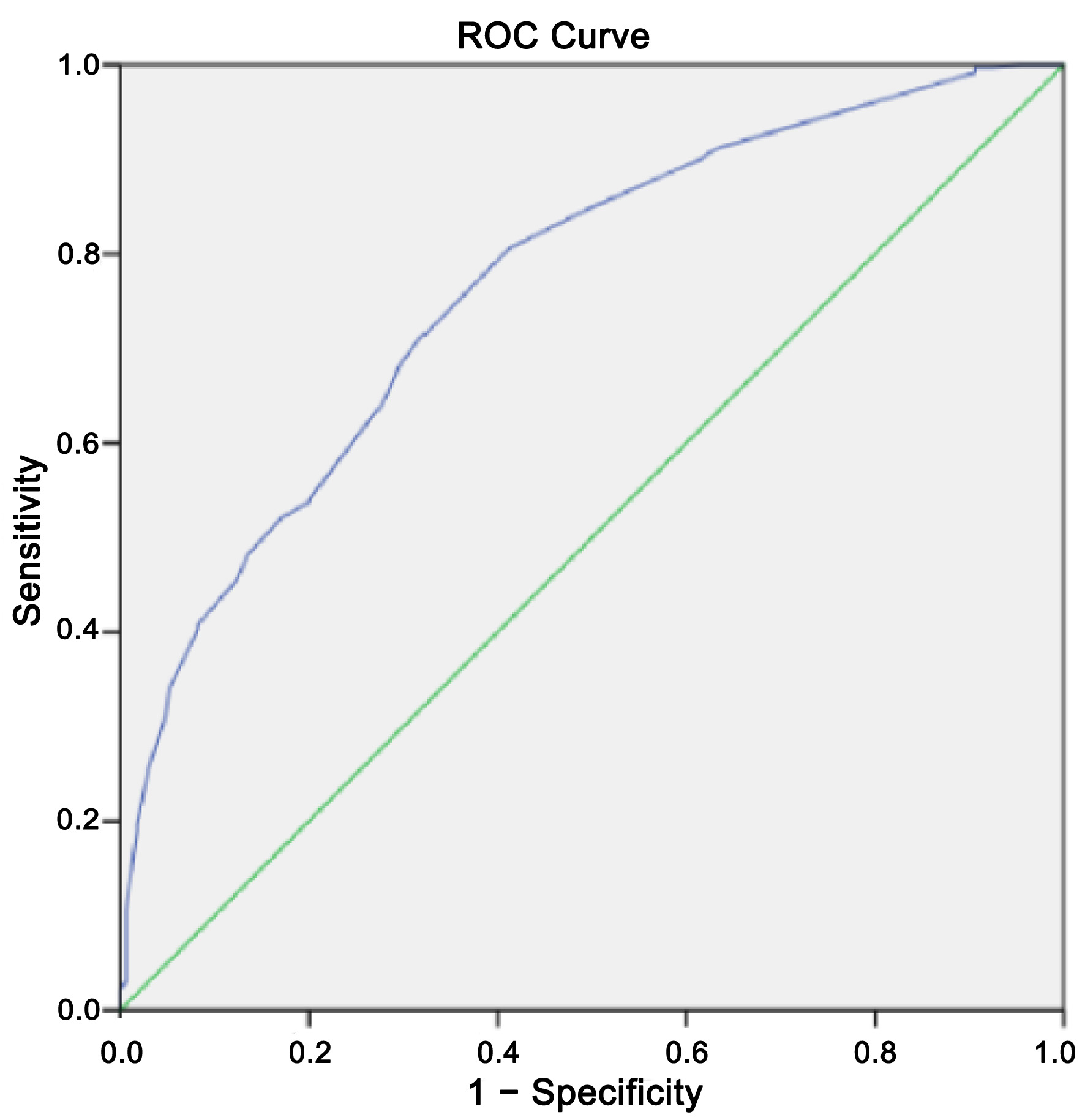
Results: Diuretic resistance occurs in 68% of patients. Independent predictors obtained from multivariate logistic regression analysis were: history of diabetes mellitus (DM, P = 0.013), history of using IV loop diuretics > 6 days (P = 0.002), oral loop diuretic dose > 80 mg/day (P = 0.006), left ventricular ejection fraction (LVEF) ≤ 49% (P = 0.002), blood urea nitrogen (BUN) ≥ 21 mg/dL (P < 0.001), and serum chloride < 98 mmol/L (P < 0.001). In addition, a scoring system has been made from the final model.
Conclusion: DM, history of IV loop diuretic, daily loop diuretic dosage, LVEF < 49%, BUN > 21 mg/dL, and serum chloride < 98 mmol/L were found to be statistically significant in association with occurrence of diuretic resistance using multivariate analysis and can be synthesized into a clinical scoring system to help predict diuretic resistance.
Published
Issue
Section
License
Copyright (c) 2026 The authors

This work is licensed under a Creative Commons Attribution 4.0 International License.