


Approach to Low Body Temperature or Mild Hypothermia in the Geriatric Population: A Narrative Review
DOI:
https://doi.org/10.14740/jocmr6490Keywords:
Low body temperature, Mild hypothermia, Sepsis, Hypothyroidism, Polypharmacy, Chronic co-morbidities, Geriatric syndromesAbstract
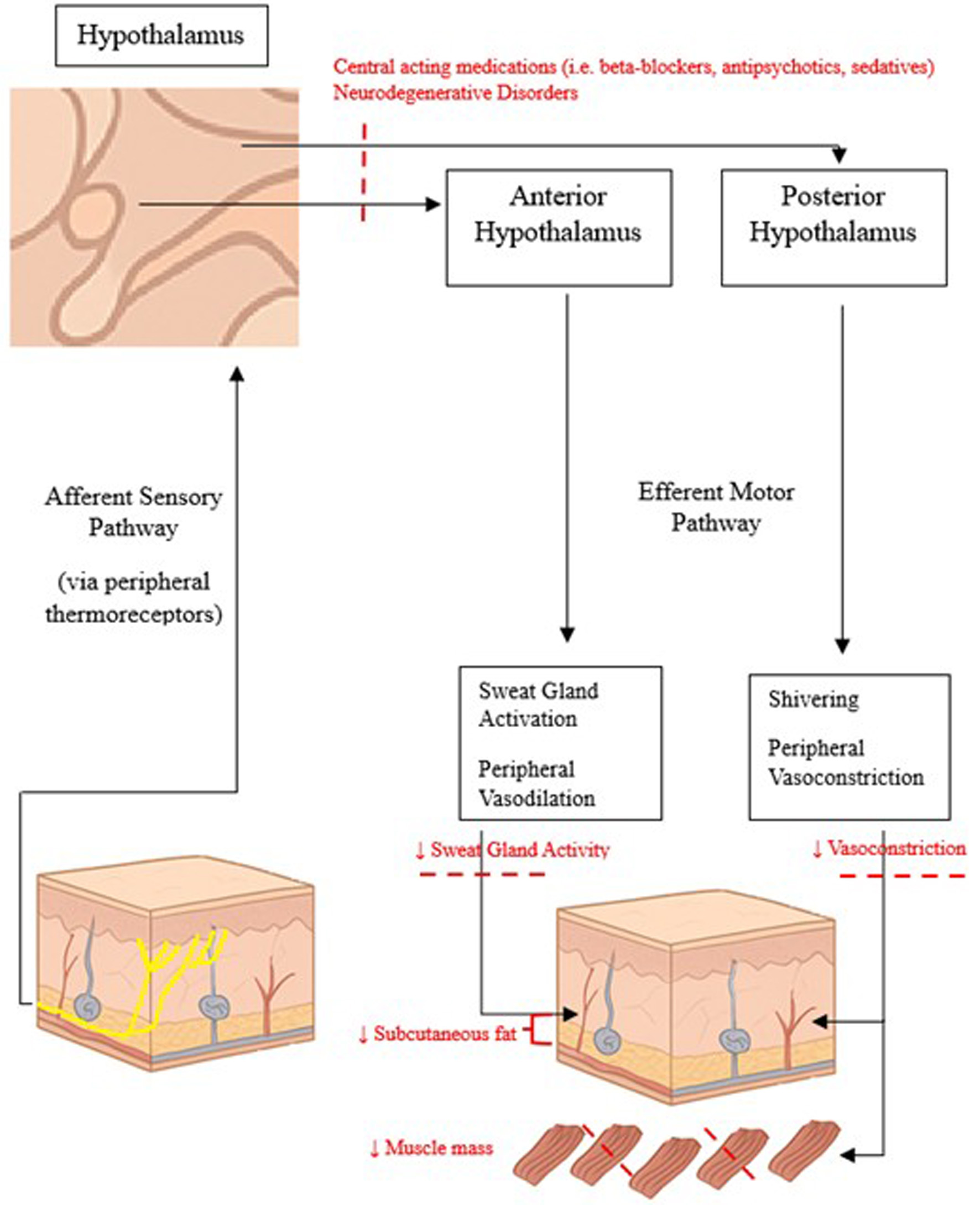
While normal human body temperature is often cited as 36.1–37.2 °C, there is high-quality evidence demonstrating that older adults typically have lower baseline body temperatures. In contrast to hypothermia (< 35 °C) which is well recognized as a medical emergency, there is emerging evidence that low body temperature (35.0–36.0 °C) may predict poor outcomes in the geriatric population. This narrative review synthesizes the current literature on the association between low body temperature in adults aged ≥ 65 years and common geriatric co-morbidities. Across observational and cohort studies, low body temperature has consistently been associated with adverse outcomes in chronic kidney disease, hypertension, diabetes, chronic obstructive pulmonary disease, various malignancies, frailty, and neurodegenerative disorders. Despite these associations, in the absence of hypothermia, low body temperature remains a neglected topic in geriatric medicine. Recognition of low body temperature may improve early detection of geriatric co-morbidities, guide medication review, and identify patients at risk for cognitive decline and frailty. Further prospective studies are needed to clarify causal relationships and provide more insight into therapeutic implications.
Published
Issue
Section
License
Copyright (c) 2026 The authors

This work is licensed under a Creative Commons Attribution 4.0 International License.