

Disease-Modifying Therapies for Transthyretin Amyloid Cardiomyopathy: Current Evidence and Emerging Strategies
DOI:
https://doi.org/10.14740/jocmr6603Keywords:
Transthyretin amyloid cardiomyopathy, Disease-modifying therapy, Tafamidis, Ggene silencing, CRISPRAbstract
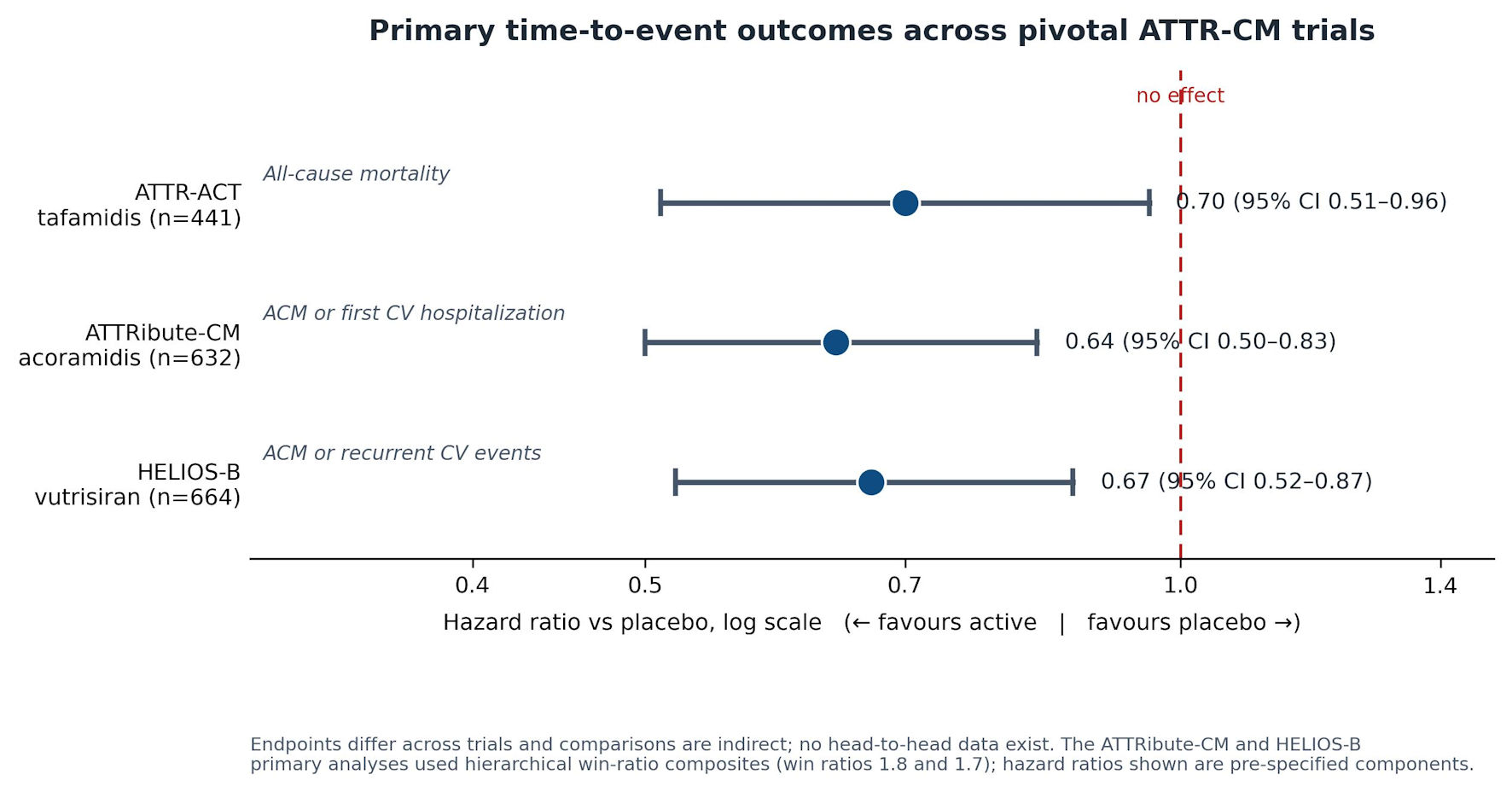
Transthyretin amyloid cardiomyopathy (ATTR-CM) is a progressive and life-threatening condition caused by extracellular deposition of misfolded transthyretin protein in cardiac tissue. Once considered rare and universally fatal, ATTR-CM has emerged as an increasingly recognized cause of heart failure, particularly among older adults. Recent therapeutic advances have transformed the management landscape from purely symptomatic care to disease-modifying interventions targeting multiple pathogenic mechanisms. This narrative review synthesizes current evidence on pharmacologic strategies for ATTR-CM, including transthyretin stabilizers such as tafamidis and acoramidis, gene-silencing therapies including patisiran, vutrisiran, and eplontersen, fibril disruptors, and emerging amyloid-depleting monoclonal antibodies and gene-editing approaches. We examine pivotal trial data demonstrating improvements in survival, functional capacity, and quality of life, alongside ongoing challenges related to safety, cost, and equitable access. The convergence of early diagnosis through improved imaging and biomarker strategies with targeted therapeutics has substantially changed the outlook for patients with a previously untreatable disease. Future directions emphasize combination therapies, biomarker-guided treatment selection, and precision medicine approaches tailored to disease genotype and phenotype.
Published
Issue
Section
License
Copyright (c) 2026 The authors

This work is licensed under a Creative Commons Attribution 4.0 International License.