

Comparative Effectiveness of Continuous Subcutaneous Insulin Infusion Versus Multiple Daily Injections on Glycemic Control in Pediatric Type 1 Diabetes: A Systematic Review, Meta-Analysis, and Trial Sequential Analysis
DOI:
https://doi.org/10.14740/jocmr6560Keywords:
Type 1 diabetes mellitus, Pediatrics, Continuous subcutaneous insulin infusion, Multiple daily injections, Meta-analysis, Trial sequential analysis, Glycemic controlAbstract
Background: Intensive insulin therapy is crucial for mitigating complications in pediatric type 1 diabetes mellitus (T1DM). This study aimed to evaluate the impact of continuous subcutaneous insulin infusion (CSII) versus multiple daily injections (MDI) on glycemic control and safety in pediatric patients.
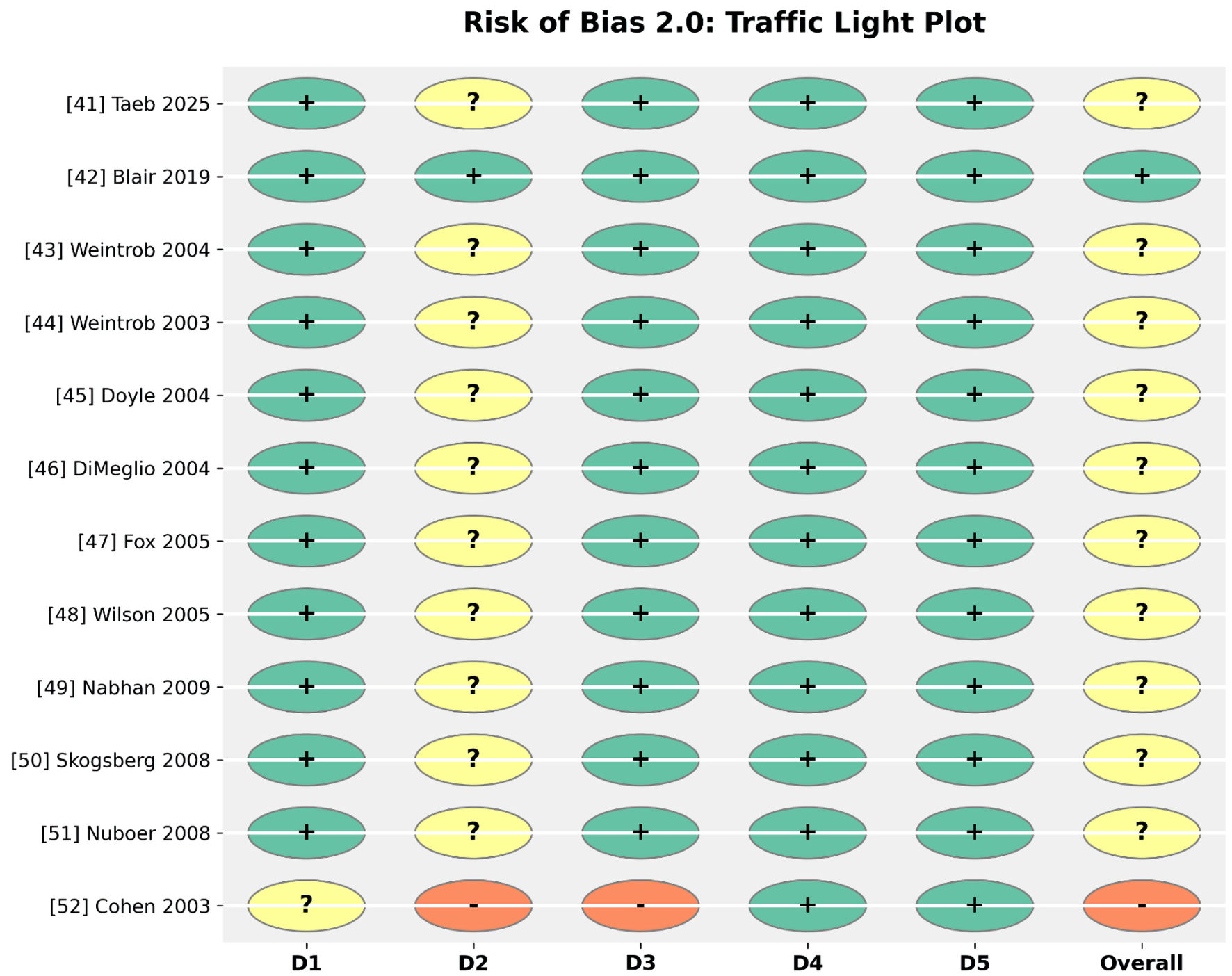
Methods: A systematic search of PubMed/MEDLINE, Embase, and Cochrane Central was conducted for randomized controlled trials (RCTs) published up to 2026. Data were synthesized using random-effects meta-analysis to calculate mean differences (MD) for hemoglobin A1c (HbA1c) and risk ratios (RR) for adverse events. Trial sequential analysis (TSA) was employed to assess the sufficiency of evidence. Certainty of evidence was graded using the Grades of Recommendations Assessment, Development, and Evaluation (GRADE) approach.
Results: Fourteen RCTs involving 659 participants were included. CSII was associated with a modest reduction in HbA1c compared to MDI (MD −0.36%; 95% confidence interval (CI), −0.80 to 0.08), although this did not reach statistical significance in the primary analysis (P = 0.098). However, sensitivity analysis excluding one large pragmatic trial revealed a significant benefit for CSII (MD −0.27%, P < 0.0001). No significant differences were found in the risks of severe hypoglycemia (RR = 0.83) or diabetic ketoacidosis (RR = 1.40). TSA indicated that the required information size for a definitive conclusion on HbA1c has not yet been met.
Conclusions: CSII may offer a modest glycemic advantage over MDI in pediatric T1DM without increasing safety risks; however, current randomized evidence is insufficient to universally recommend one modality over the other. Treatment choice should be personalized. Although the proportion of patients using automated insulin delivery (AID) is rising rapidly, CSII retains practical and cost advantages; future research should focus on modern AID systems.
Published
Issue
Section
License
Copyright (c) 2026 The authors

This work is licensed under a Creative Commons Attribution 4.0 International License.