

Immune-Mediated Necrotizing Myopathy Across the Age, Autoantibody, Phenotype, Treatment, and Outcome Spectrum: A Systematic Review
DOI:
https://doi.org/10.14740/jocmr6728Keywords:
Immune-mediated necrotizing myopathy, anti-HMGCR, anti-SRP, Inflammatory myopathy, Autoimmune myopathy, Pediatric myopathy, IVIG, RituximabAbstract
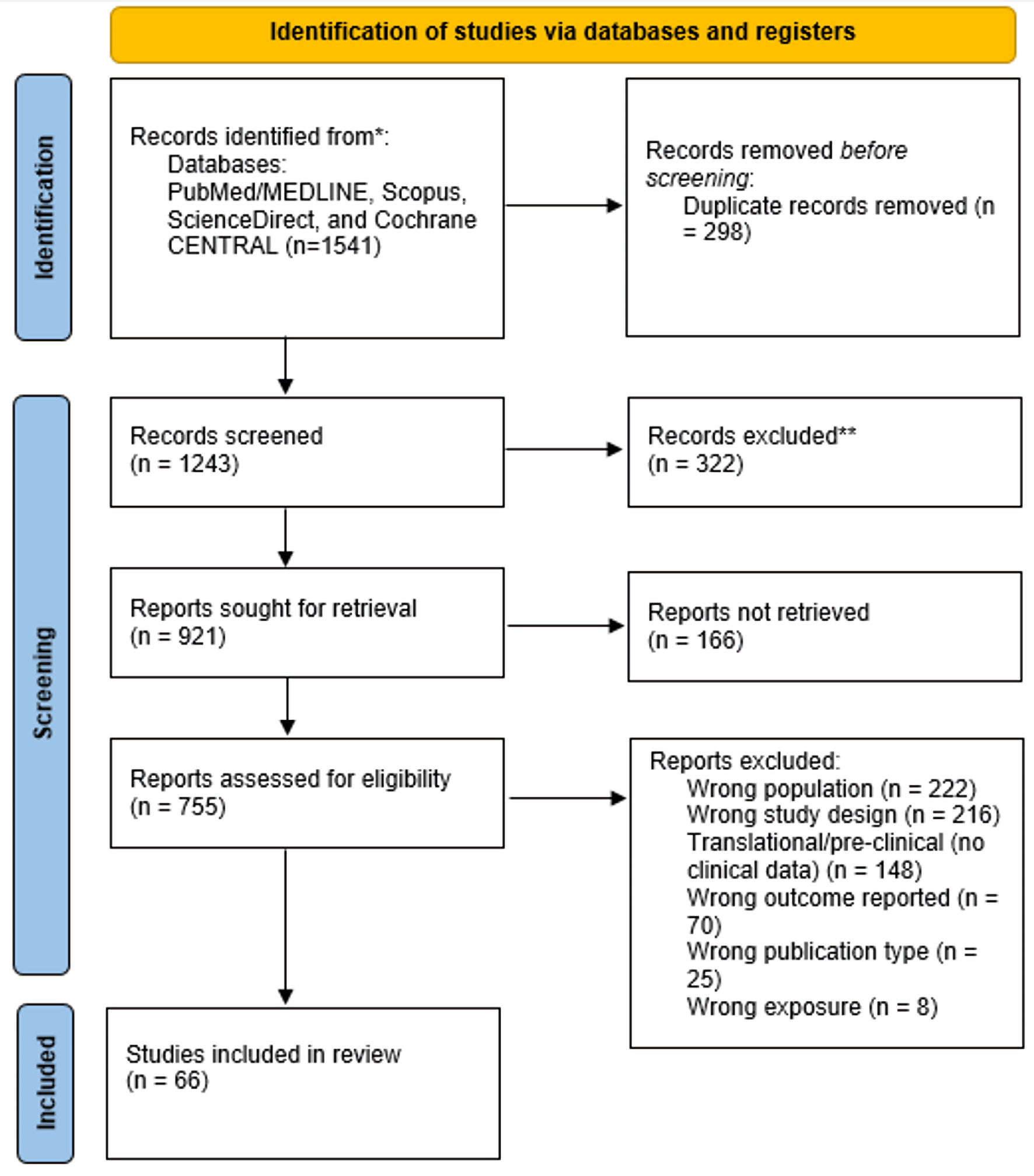
Immune-mediated necrotizing myopathy (IMNM) is a severe idiopathic inflammatory myopathy characterized by prominent myofiber necrosis, weakness, and marked creatine kinase elevation. Anti-3-hydroxy-3-methylglutaryl-coenzyme A reductase (anti-HMGCR) and anti-signal recognition particle (anti-SRP) autoantibodies define clinically relevant subgroups, but uncertainty remains regarding age-related presentation, phenotype, treatment response, and outcomes. The objective of this review was to synthesize published evidence on IMNM using a framework that progresses from IMNM diagnosis to age, autoantibody, phenotype, treatment, and outcomes, emphasizing pediatric and adult disease and antibody-defined heterogeneity. Following the Preferred Reporting Items for Systematic Reviews and Meta-Analyses (PRISMA) 2020 guidelines, a systematic search was conducted across PubMed/MEDLINE, Scopus, ScienceDirect, and Cochrane Central Register of Controlled Trials (CENTRAL) for literature published from 2015 to 2026. Antibody search terms were optional to ensure seronegative disease was not excluded. From 1,541 initially identified records, 66 reports were retained for qualitative synthesis after rigorous screening, full-text eligibility assessment, and risk-of-bias appraisal. Of the 66 retained reports, 78.8% described adult-only and 12.1% pediatric-only populations. The evidence base relies heavily on case-level data, comprising 24 cohorts/comparative studies, 39 case series or reports, and one phase 2 randomized controlled trial (RCT). The single completed RCT (zilucoplan, a complement C5 inhibitor; n = 27, 8 weeks) did not meet its primary efficacy endpoint. Recent literature highlights emerging cardiac, cutaneous, and metabolic manifestations, alongside exploratory use of targeted treatments like chimeric antigen receptor T-cell (CAR-T) and proprotein convertase subtilisin/kexin type 9 (PCSK9) inhibitors. IMNM exhibits substantial clinical heterogeneity by age, autoantibody profile, and phenotype. The dominance of case-level evidence and the negative C5-inhibitor RCT underscore a critical need for adequately powered, mechanistically targeted prospective studies, particularly for pediatric, seronegative, and refractory disease.
Published
Issue
Section
License
Copyright (c) 2026 The authors

This work is licensed under a Creative Commons Attribution 4.0 International License.