Circadian Rhythms in Colorectal Cancer: Recent Advances in Development and Treatment
DOI:
https://doi.org/10.14740/jocmr6626Keywords:
Circadian rhythm, Biological clock, Colorectal cancer, Immune microenvironment, Metabolism, Traditional Chinese medicineAbstract
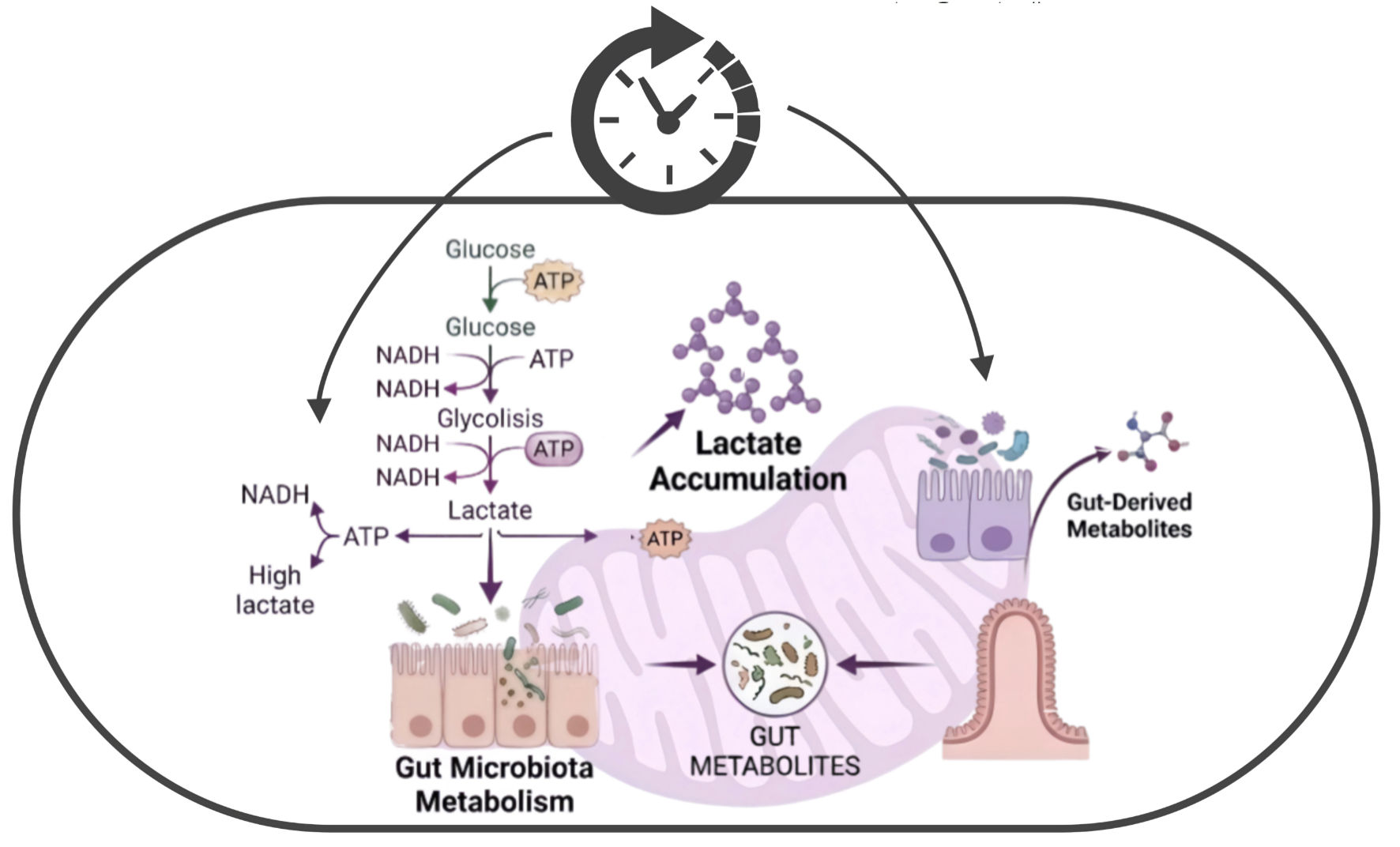
The circadian clock orchestrates biological rhythms across species and is deeply involved in the physiological and biochemical processes underlying tumor initiation and progression. By regulating cell division, DNA repair, immune function, and hormonal balance, circadian rhythms interact closely with cancer, providing a theoretical foundation for the exploration of chronotherapy. Maintaining circadian homeostasis is therefore essential for cancer prevention and treatment. This review centers on the intricate relationship between circadian rhythms and malignancy, with a particular focus on the role of circadian disruption in tumorigenesis and malignant progression. A systematic literature search was performed across the PubMed, MEDLINE, and Scopus databases to screen original studies and review articles focusing on circadian regulation in colorectal cancer. This review delineates the tissue-specific effects of circadian clock signaling in colorectal malignancy and clarifies the correlation between circadian disruption and early tumorigenesis. Accumulated evidence is integrated into a comprehensive mechanistic framework covering metabolic reprogramming, tumor immunosuppression, and stromal remodeling. Additionally, current advances in harnessing circadian rhythms to refine preventive strategies and chronotherapeutic regimens for colorectal cancer are highlighted, with a concise discussion on the potential of traditional Chinese medicine in regulating biological rhythms to improve colorectal cancer clinical management.
Published
Issue
Section
License
Copyright (c) 2026 The authors

This work is licensed under a Creative Commons Attribution 4.0 International License.