


Prevalence of Anxiety and Depressive Disorders Among Patients Diagnosed With Inflammatory Bowel Disease
DOI:
https://doi.org/10.14740/jocmr6372Keywords:
Inflammatory bowel disease, Anxiety, Depression, Saudi Arabia, Mental health, StigmaAbstract
Background: Inflammatory bowel disease (IBD) is linked to high risks of depression and anxiety. Stigma, limited mental health awareness, and barriers to access continue to contribute to underdiagnosis in Saudi Arabia. This study aimed to determine the prevalence of depression and anxiety among IBD patients, identify related risk factors, and assess barriers to mental health treatment.
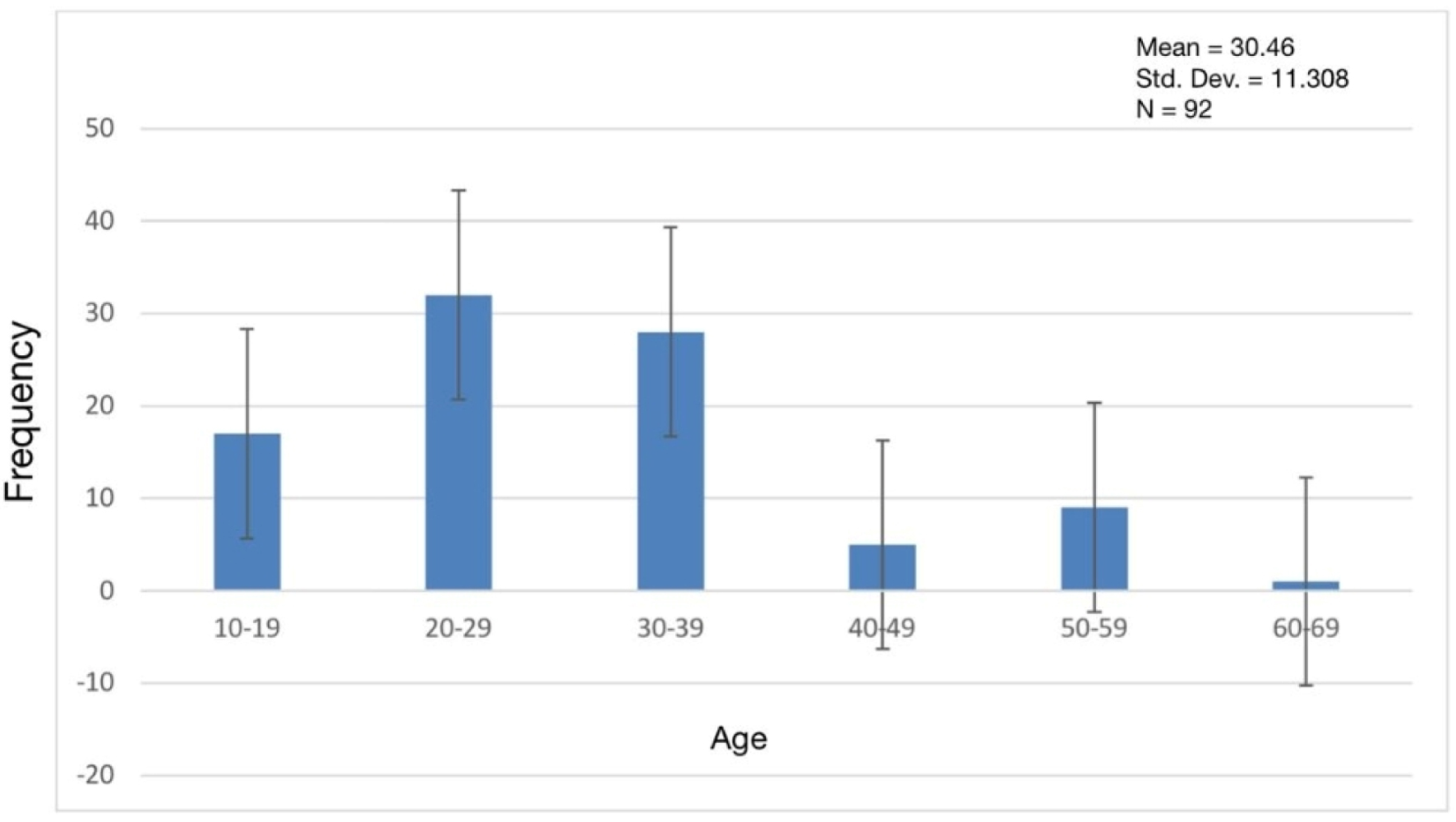
Methods: A cross-sectional study including 92 IBD patients from gastroenterology clinics at King Faisal and Al-Noor hospitals was conducted. Data were collected through face-to-face, phone interviews, and an online Arabic questionnaire assessing sociodemographic, IBD-related factors, and mental health information using Patient Health Questionnaire-2 (PHQ-2) and Generalized Anxiety Disorder-7 (GAD-7). Analysis employed Chi-square, Fisher’s exact, and logistic regression model to determine associations.
Results: Among 92 patients, 15.2% had symptoms of anxiety, depression, or both. Screening detected 19.6% with depressive symptoms (PHQ-2) and 46.7% with anxiety symptoms (GAD-7), with 17.4% experiencing severe anxiety symptoms. Saudi nationality (OR = 40.15, P = 0.035) was significantly linked to clinical diagnoses. Shorter disease duration (< 6 months, P = 0.017; 1–3 years, P = 0.011), was associated with lower odds of anxiety symptoms, while recent exacerbations (< 3 months, P = 0.012) were associated with increased risk of anxiety symptoms. Higher risk of depression symptoms was associated with recent exacerbations (OR = 7.51, P = 0.055) and smoking (OR = 5.04, P = 0.072). Barriers included stigma (8.7%), cost (6.5%), and concerns about medication side effects (40.2%).
Conclusion: The burden of undiagnosed anxiety and depression is significant among IBD patients in Makkah. Routine screening, stigma reduction, and integrated mental health care are essential.
Published
Issue
Section
License
Copyright (c) 2025 The authors

This work is licensed under a Creative Commons Attribution-NonCommercial 4.0 International License.